Wide-leg trousers are versatile but can feel uncertain until you understand fit, fabric, and balance. This article breaks down the key decisions—rise, hem, top choices, and caring for the garment—so you can choose and wear wide legs without second-guessing.
Choose the right rise and waist fit
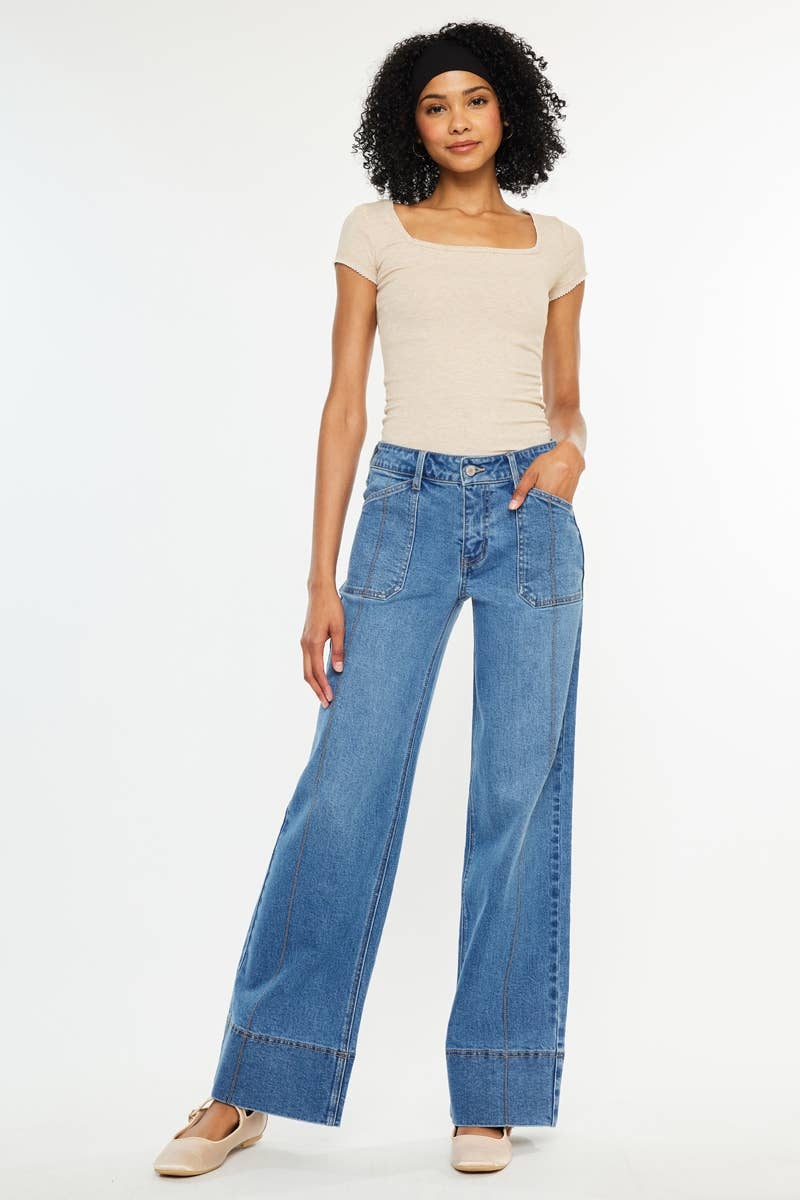
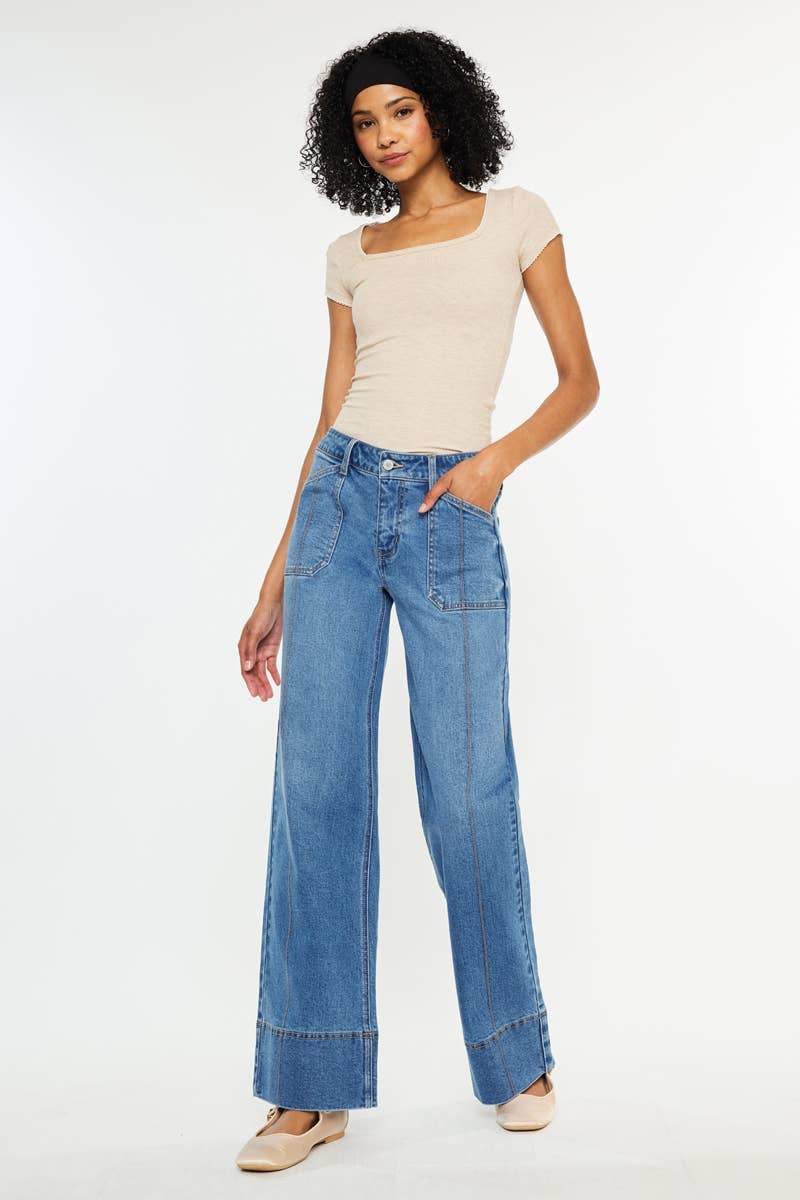
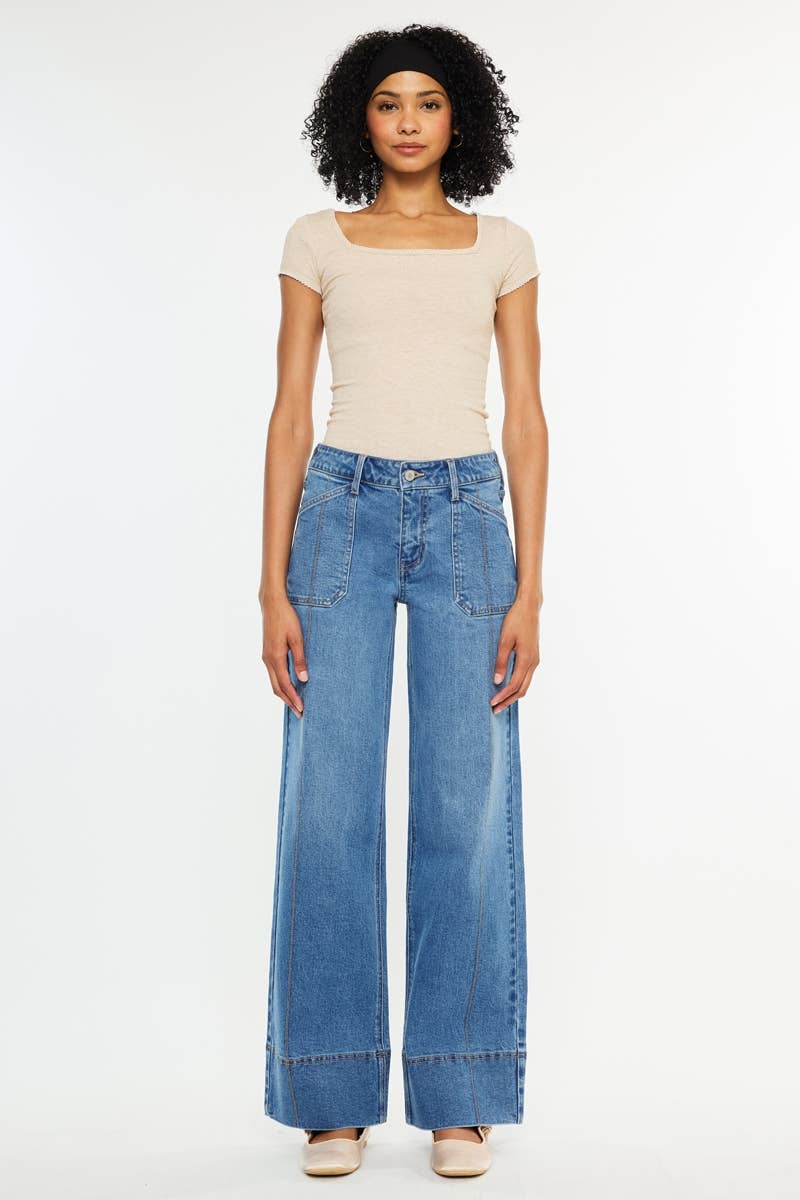
The rise determines where the leg starts to widen and how the silhouette reads with tucked or untucked tops. Mid-rise wide legs sit at or just below the natural waist, offering a balanced look with both cropped jackets and longer sweaters. For example, mid-rise wide leg jeans with a 9.5" rise give room for tucking without an extreme high- or low-waist effect.
Waist fit matters more than the width of the leg. A well-fitting waistband prevents gaping and keeps proportions clean—especially if you plan to belt or tuck. If you’re trying denim, look for a comfort stretch composition; a small percentage of spandex gives movement and helps the waistband hold its place through daily wear.
Understand fabric and structure
Fabric weight and finish change how a wide leg falls. Stiffer, heavier denim creates a straighter, more architectural leg, while softer, lighter weaves drape and can skim the shoe. A non-distressed medium-dark stretch denim in a mid-rise wide-leg jean offers structure with enough give for sitting and walking without pulling across the hip or thigh.
Details such as hem width and topstitching affect balance. A wider hem (for example, around 4") anchors the leg and reads intentional; clean, minimal distressing keeps the look versatile for both casual and dressier pairings.
Proportion and pairing rules
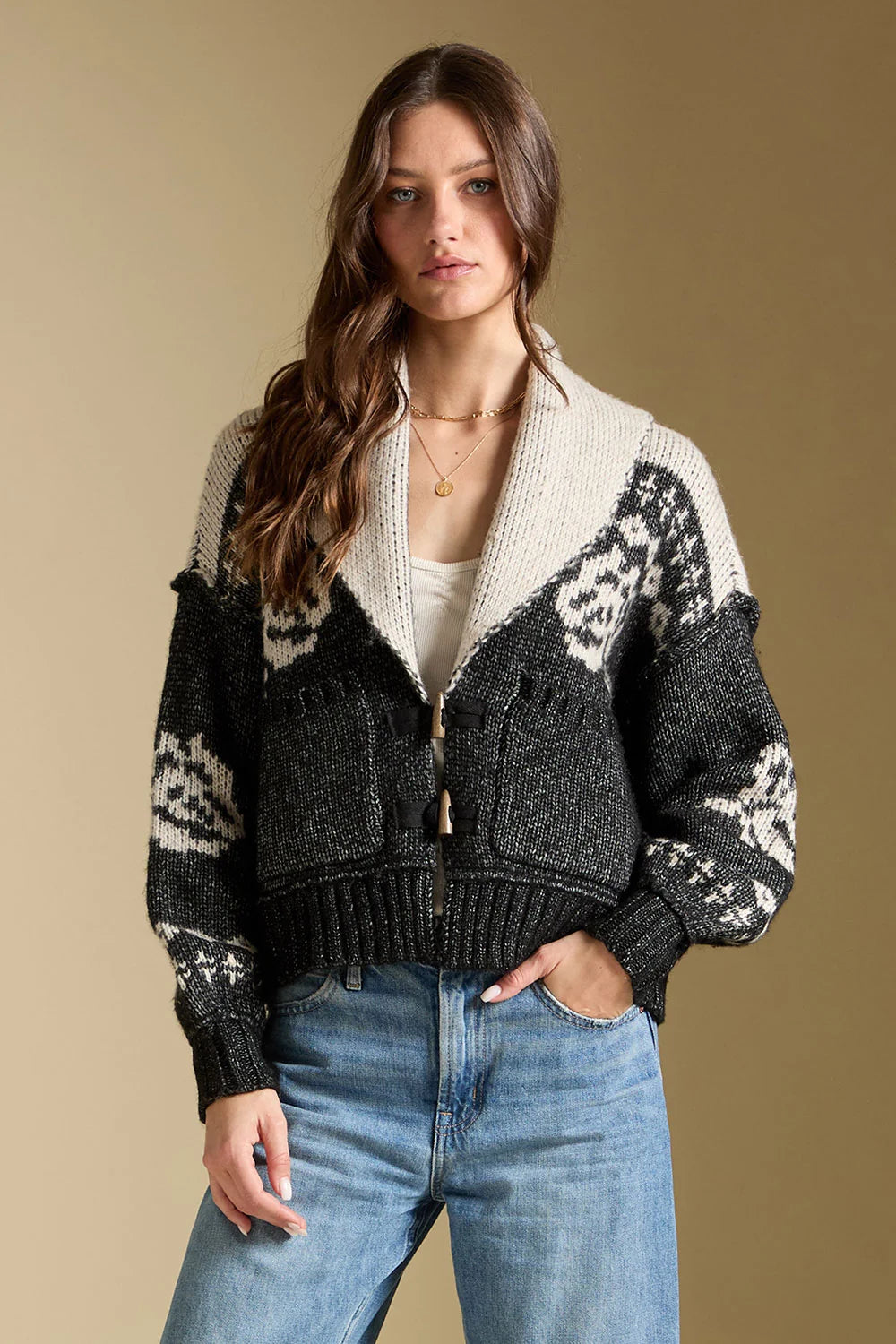
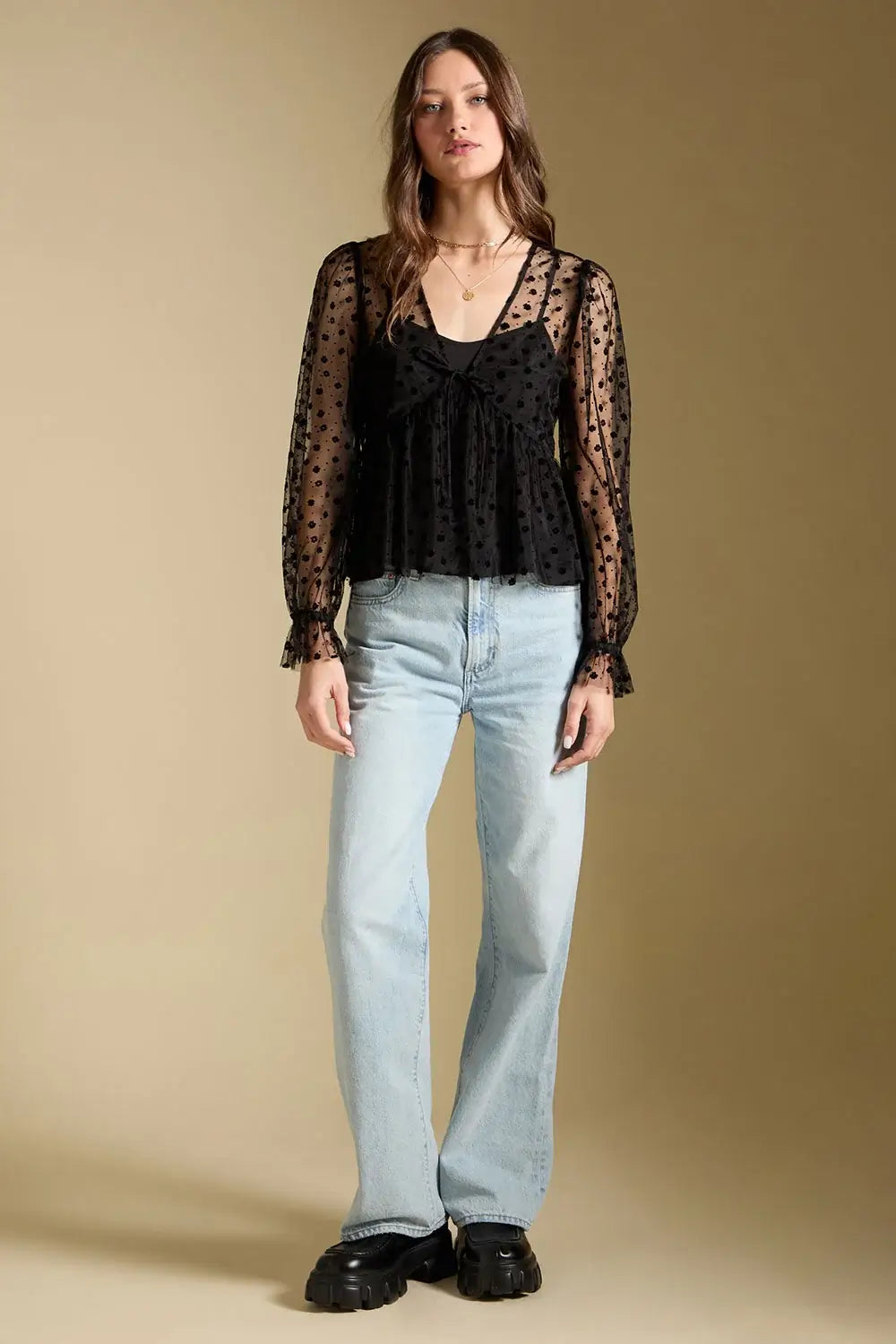
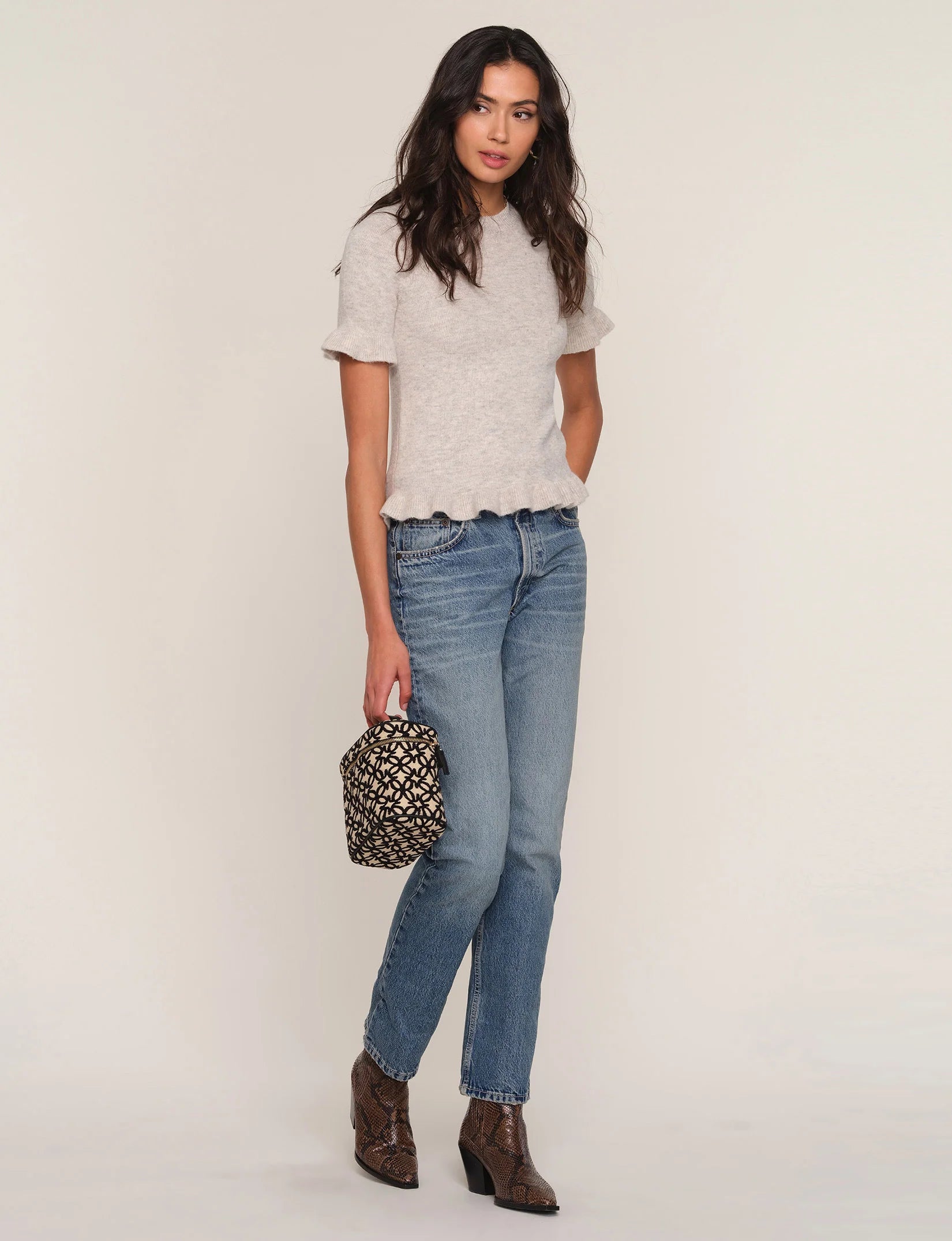
Pay attention to vertical proportions. If your trousers have a full, straight fall, counterbalance with a more fitted or structured top for everyday wear—a slightly cropped knit, a tucked shirt, or a tailored blazer. Conversely, when you wear a shorter, boxier top, lengthening the silhouette with higher-rise trousers keeps the proportions flattering.
Shoe choices shift the silhouette. Flats and sneakers give a relaxed, contemporary feel; low block heels, loafers, or a streamlined boot add polish and can elongate the leg. If your trousers reach the ground, consider a slight heel or a shoe with a defined sole so the hem doesn’t catch or look frayed.
Practical finishing and care notes
Before altering hems or altering the fit, check the sewn-in care label and any construction details—topstitch width, hem allowance, and fabric content—to avoid removing design elements. If you encounter a wide-leg jean in stretch denim, remember stretch content affects how seams and hems behave after repeated wear.
When buying, look for useful construction cues: a zipper fly and classic five-pocket style indicate traditional jean construction that tailors easily, and a clean, non-distressed finish provides a flexible base for both casual and dressier outfits.
Wide-leg trousers become straightforward when you focus on rise, fabric weight, and proportion. Use those three touchstones to evaluate options and pick a pair that fits your daily patterns—whether you prefer a structured mid-rise stretch denim or something softer and more flowing.