Many dressing 'rules' promise quick fixes but often overlook an easier tool: proportion. Understanding how lengths, volumes, and focal points relate to your body and to each other helps you create balanced looks that suit your life and style without rigid prescriptions.
Scale: Match garment volume to your frame and purpose
Scale is about the relative size of a garment’s silhouette compared with your body and the rest of your outfit. A wide-leg pant reads larger than a tapered jean; a mini short reads more compact than a midi skirt. Choose volumes that support the message you want to send — relaxed and roomy for comfort-focused days, streamlined for settings where a neater line feels appropriate.
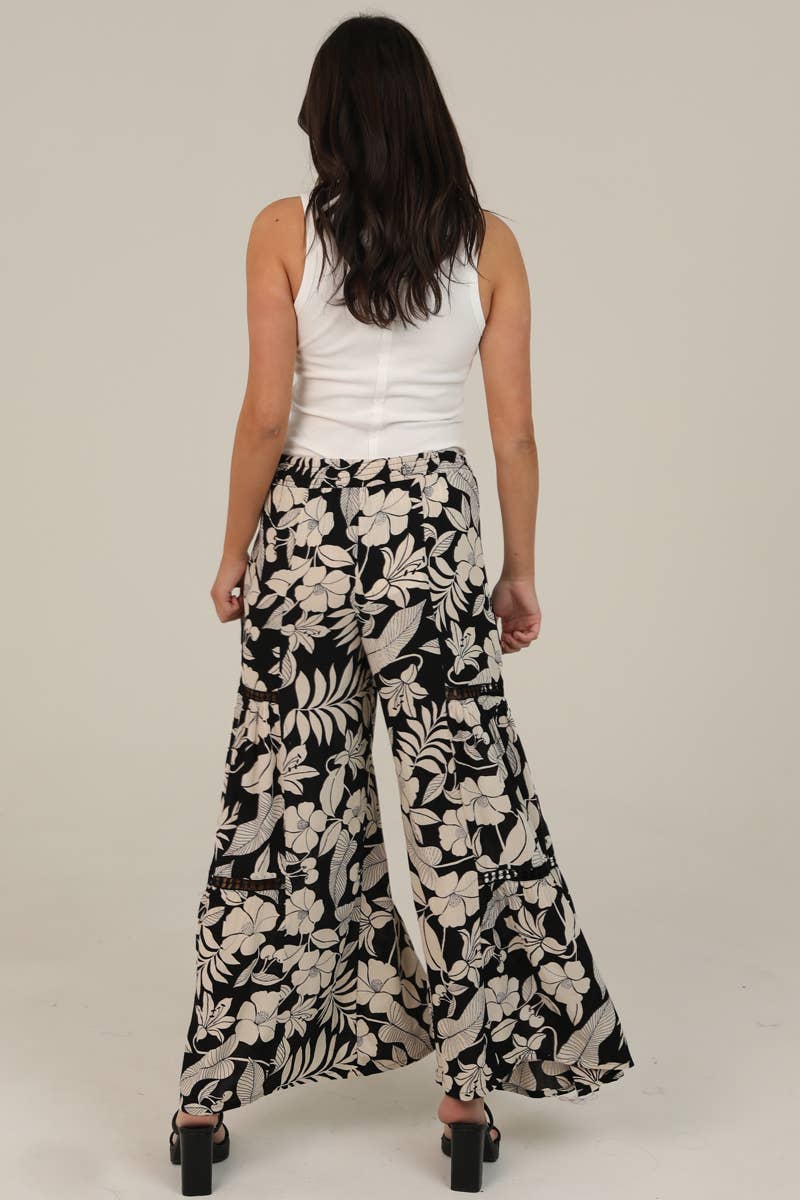
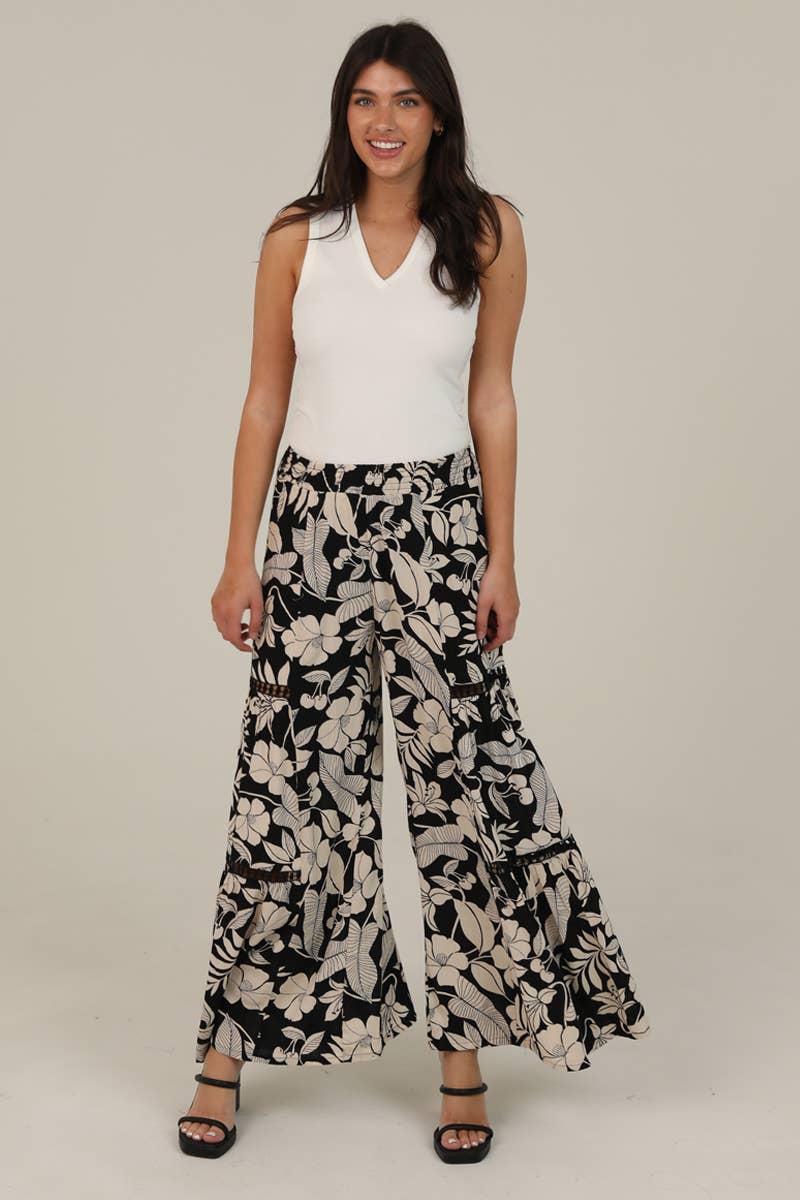
For example, wide-leg trousers create a strong horizontal spread at the hip and leg. Pairing them with a more fitted top helps maintain a readable silhouette so the overall look feels deliberate rather than overwhelmed.
Proportion through contrast: create clear focal points
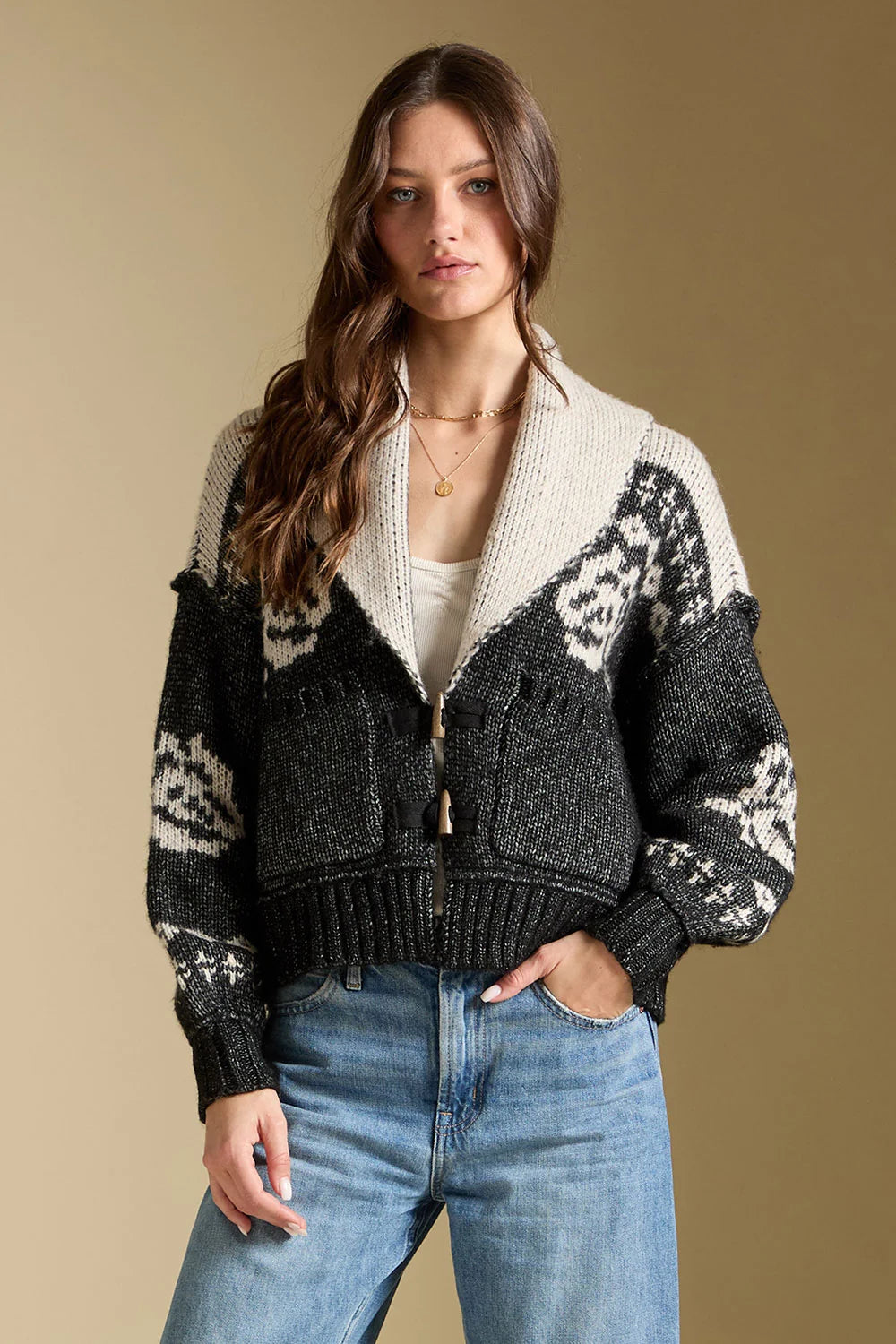
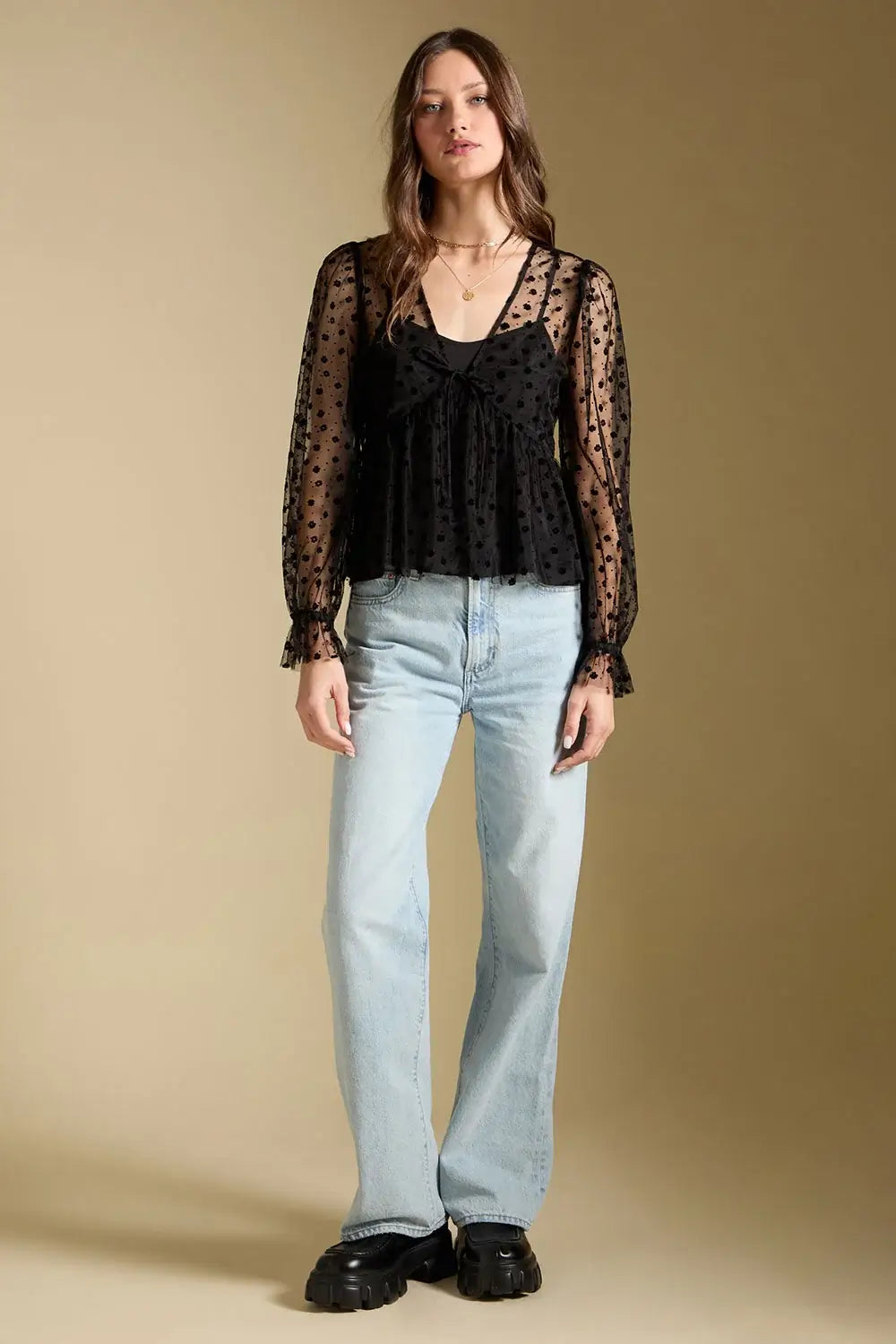
Deliberate contrasts — like pairing a roomy bottom with a fitted top, or a cropped top with a high waist — create a clear focal point. This guides the eye and prevents shapes from competing. Contrast is not about following a formula but about choosing where you want attention to fall.
A practical illustration: the Angie Printed Wide Leg Pants with Lace Inserts have a relaxed wide-leg silhouette and visually detailed fabric. Letting those pants be the visual star by balancing them with a fitted or structured top keeps the outfit balanced and prevents the proportions from feeling top- or bottom-heavy.
Length decisions: the visual arithmetic of hems
Hem length changes how other pieces read. Cropped jackets and high-rise bottoms create a short vertical interval that accentuates the waist; longer tops over long skirts create a continuous vertical line that can elongate. Think of hem lengths as arithmetic: where you add or subtract visible leg or torso affects perceived proportions.
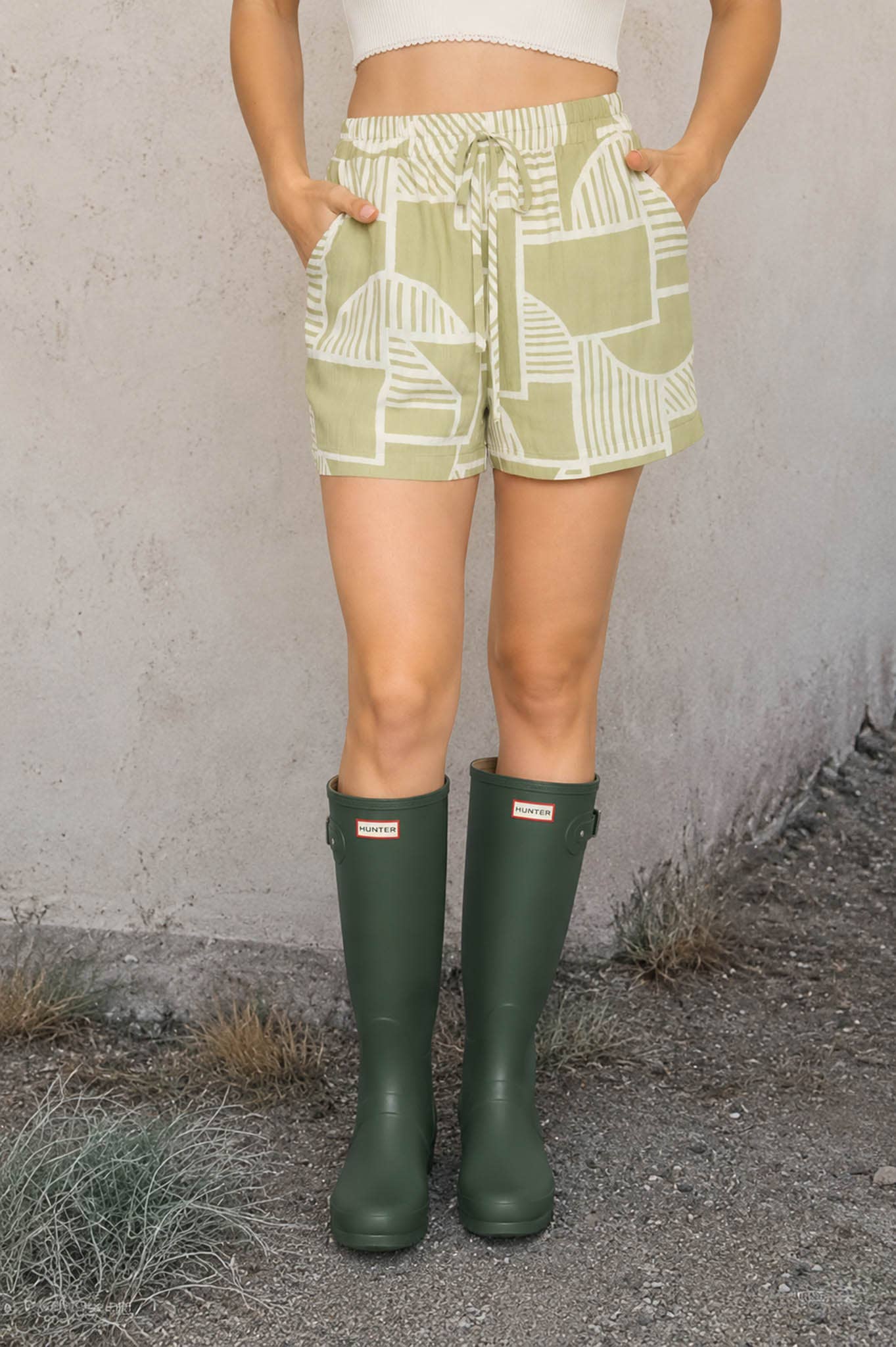
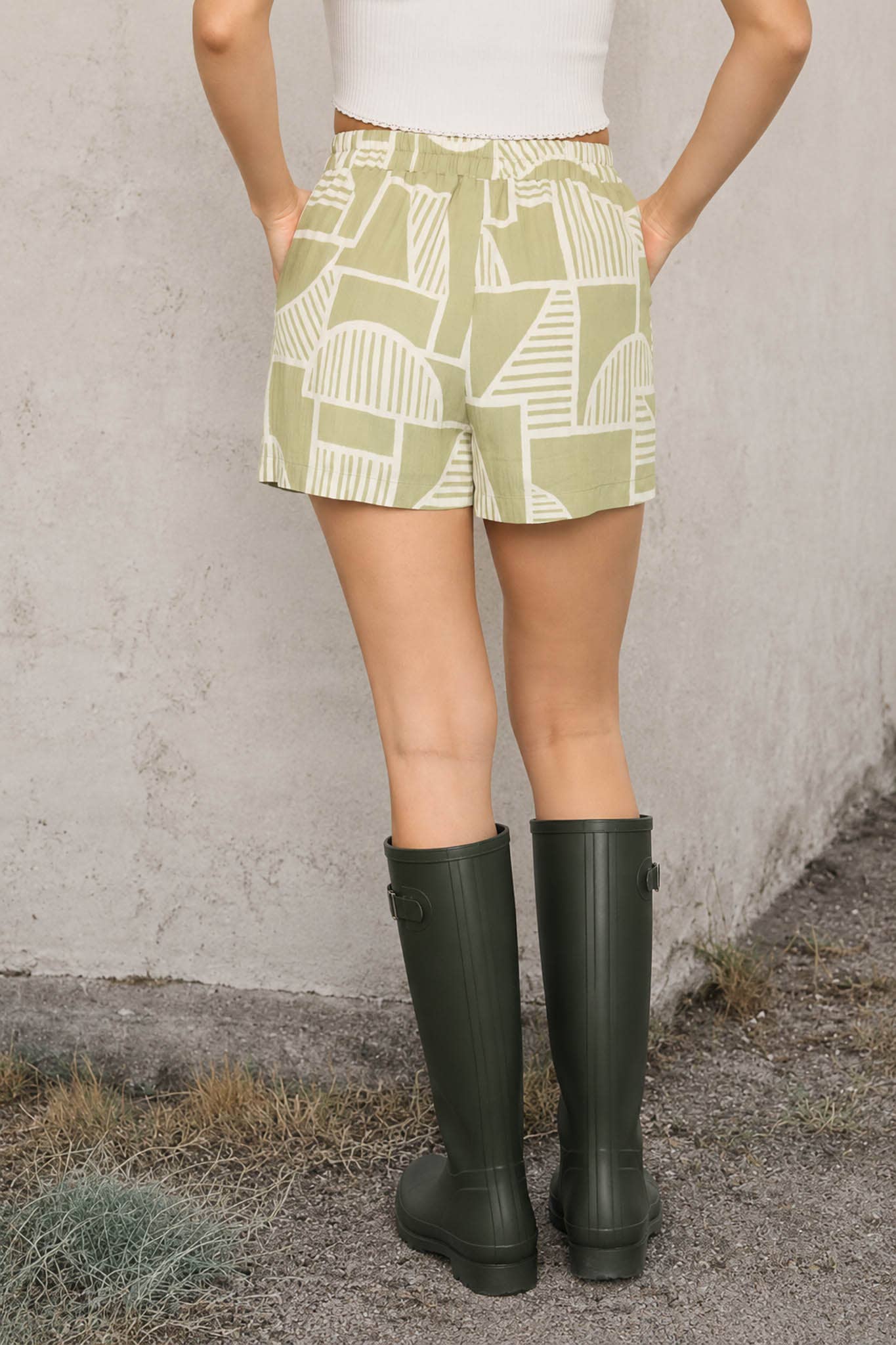
If you wear mini shorts with a high waist, the short hem shows more leg, so choose a top with a bit more coverage or structure if you want balance. The Blu Pepper Abstract Print Drawstring Shorts are high-waisted and have a short silhouette; they pair well with a top that provides contrast in coverage to maintain proportionate balance.
Practical tweaks to refine proportion on the go
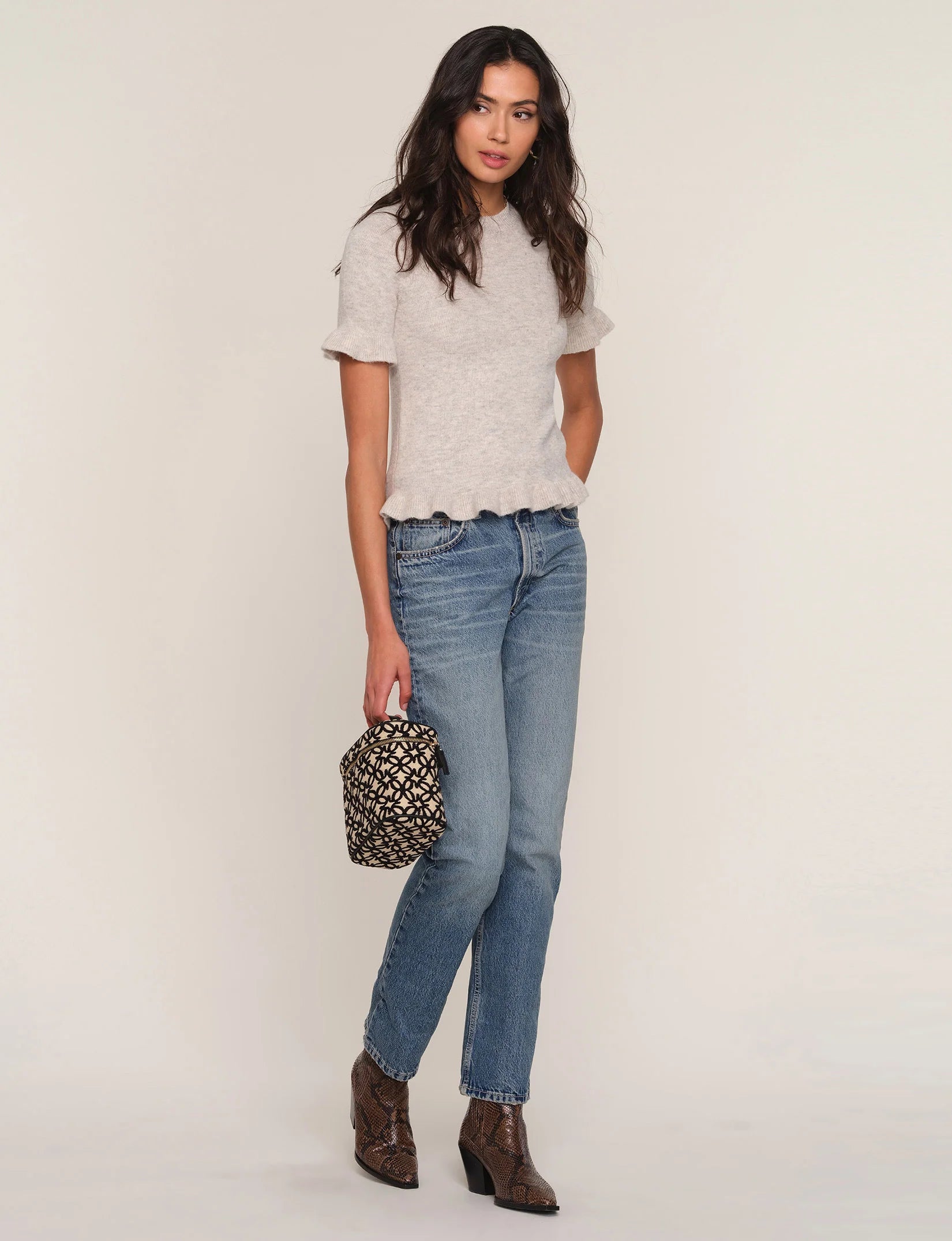
Small adjustments can correct imbalances without changing your wardrobe. Tucking or half-tucking a shirt creates definition at the waist; rolling cuffs or adding a slight heel alters the perceived length of your leg line. Try a quick visual check in full-length mirror: if two pieces fight for attention, simplify one (neutral color, sleeker fit) to restore hierarchy.
Remember fit details: a high waist changes where a garment begins on your body, and lace or prints draw the eye. Use those elements intentionally—accentuate them when you want focus, or tone them down with simpler companions when you don’t.
Proportion gives you a flexible framework to make smarter choices without memorizing rules. When you notice how volumes, lengths, and focal points interact, dressing becomes a process of small, intentional decisions that flatter your shape and suit your day.