One-piece outfits—jumpsuits, overalls, and similar garments—collapse multiple styling steps into one decision. For many people, that means fewer wrinkles about proportion, fewer mismatched elements, and more consistent results from day to day. Below are focused tips to make one-pieces genuinely practical for everyday dressing.
Pick the right silhouette for your routine
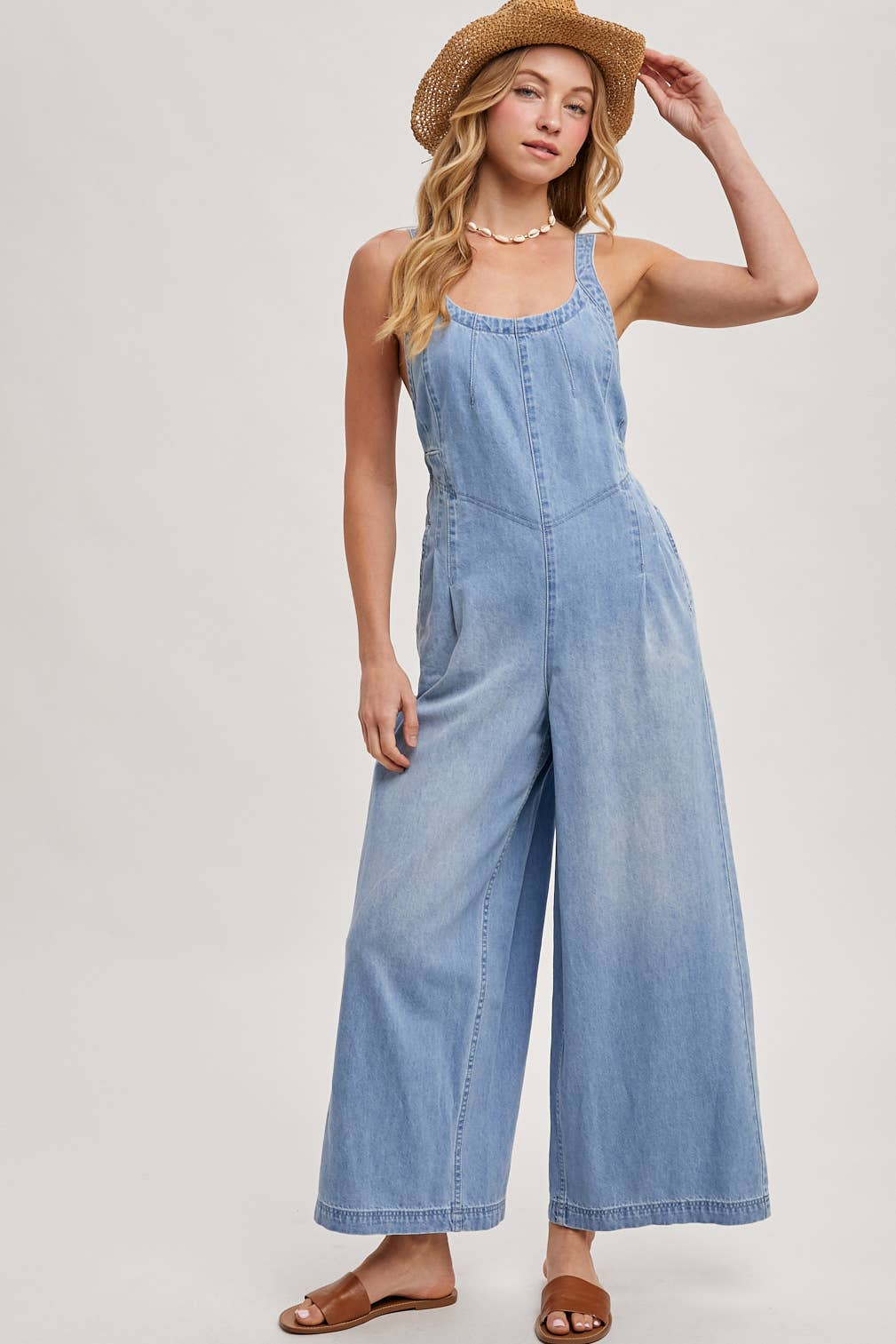
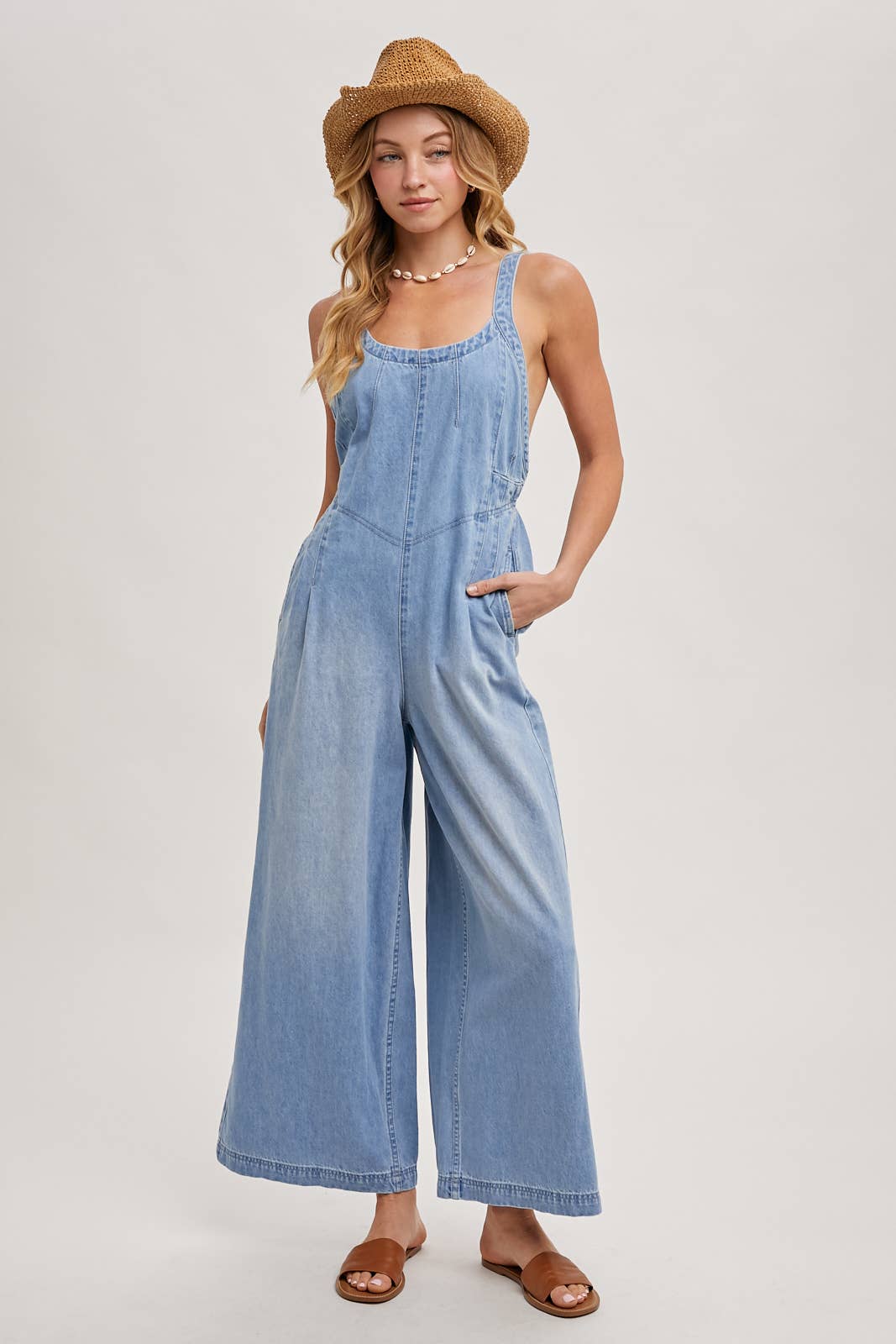
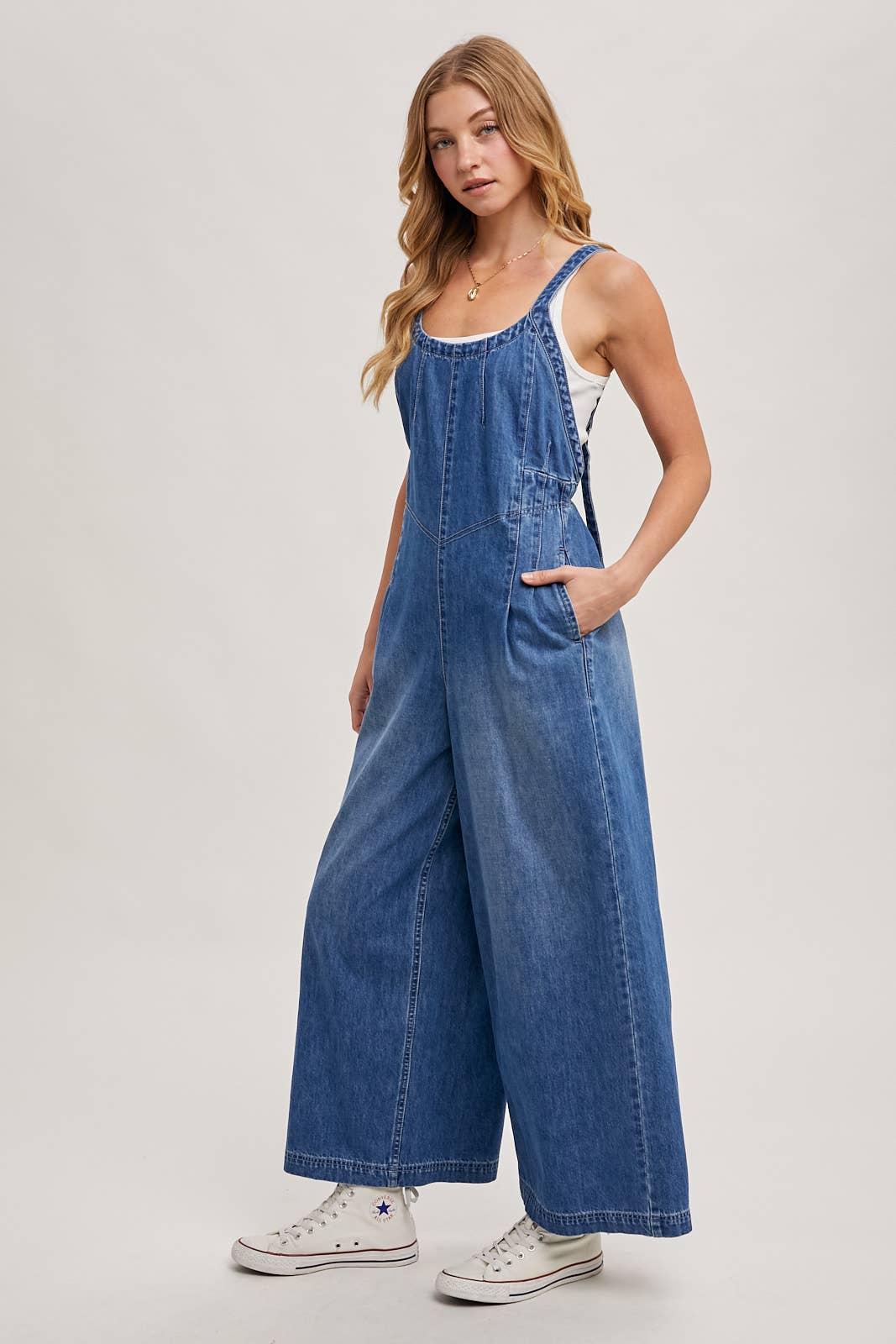
Silhouette determines how a one-piece will perform across activities. A wide-leg jumpsuit, for example, offers movement and a roomy fit that suits commuting, errands, or casual offices. The Bluivy Denim Overall Jumpsuit’s wide-leg silhouette provides that kind of ease while still reading as structured rather than sloppy.
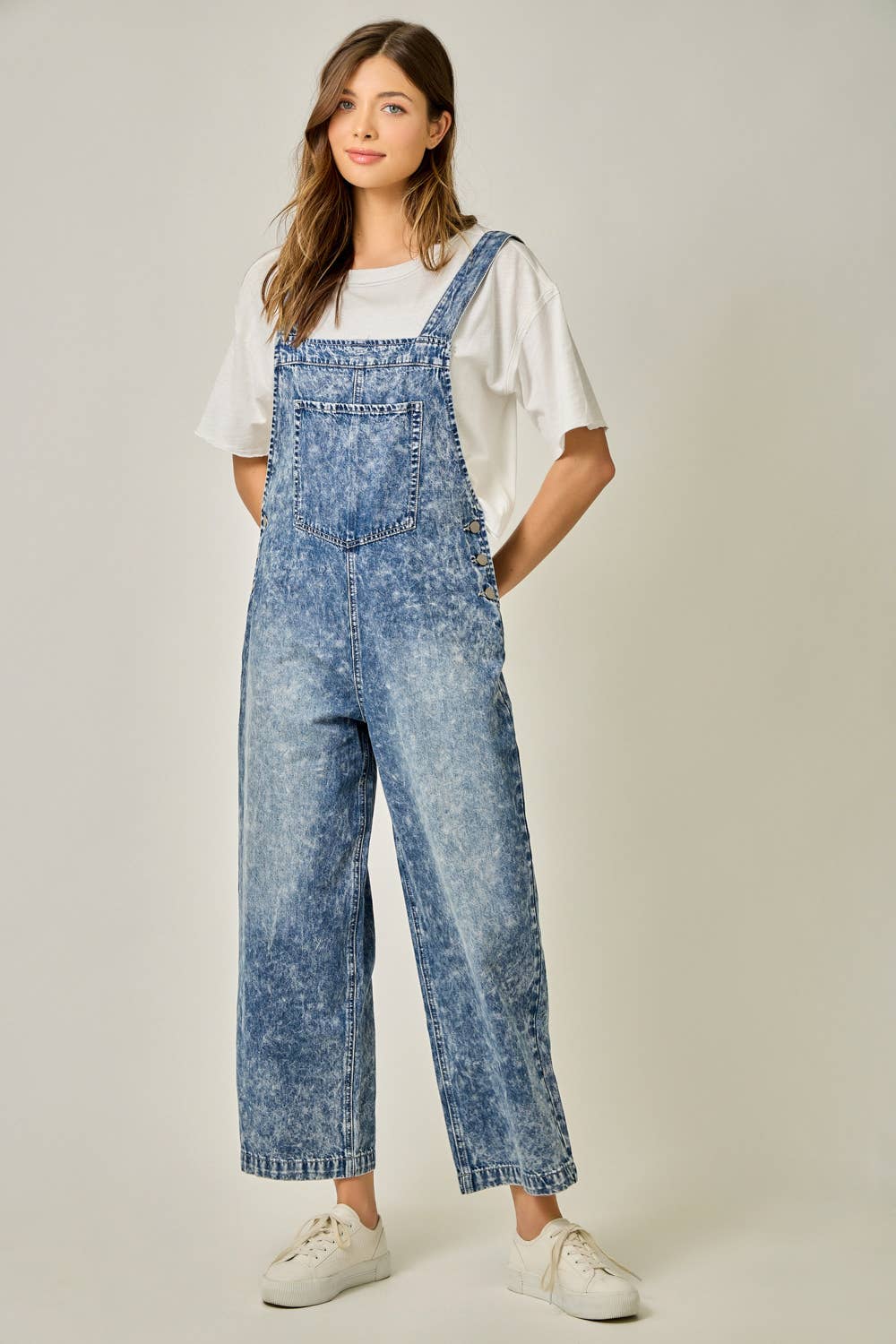
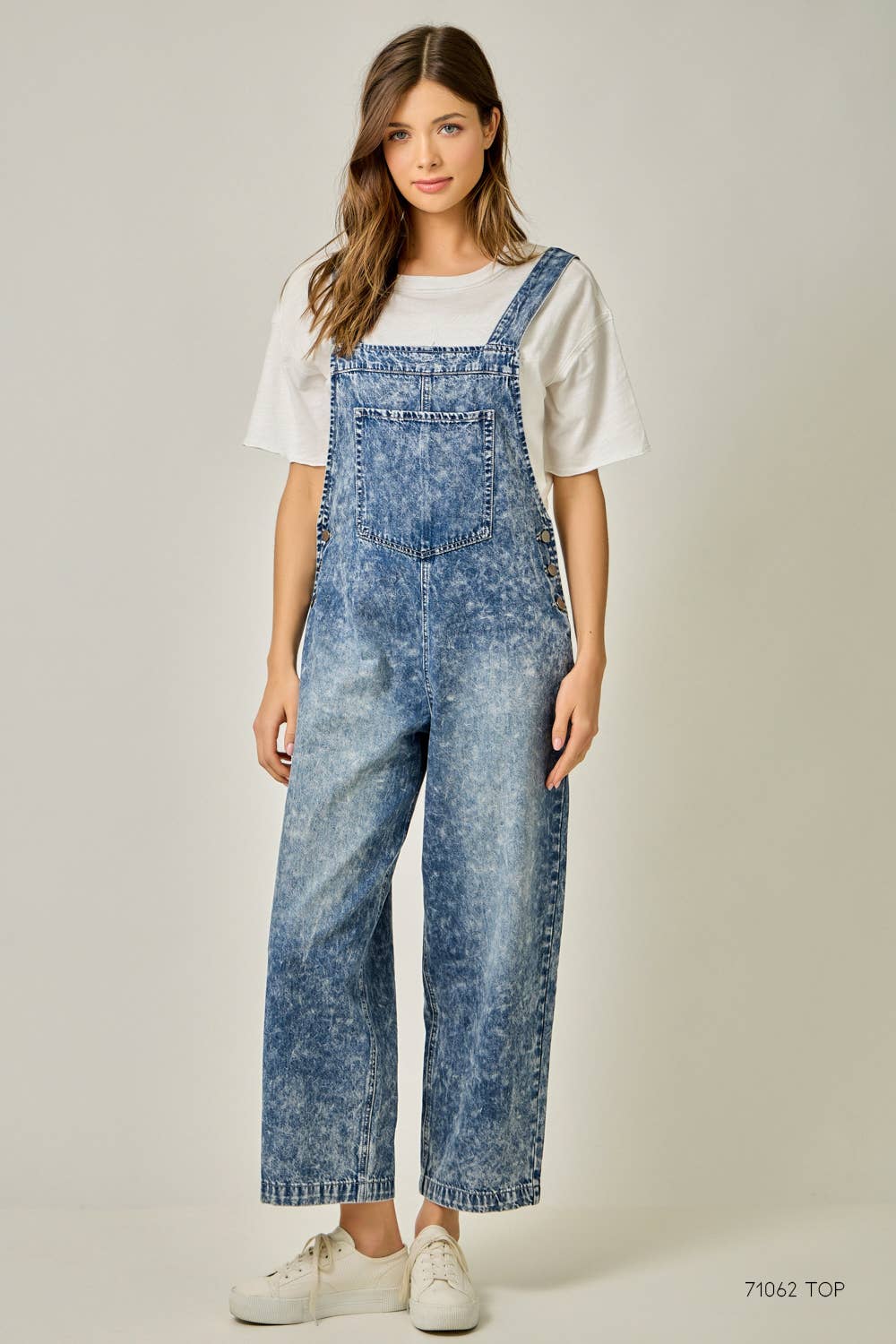
If you favor a more fitted look for layering under jackets or cardigans, choose a one-piece with defined waist or adjustable straps so you can fine-tune the fit where it matters most. Adjustable or knotted straps, like those on the Mystree Washed Blue Denim Overalls, let you customize length and torso fit to your body and daily needs.
Layer smart without losing the one-piece advantage
Layering should preserve the single-decision benefit of a one-piece. Thin fitted tees and lightweight turtlenecks work well under denim overalls or jumpsuits because they add warmth and visual interest without bulk at the shoulder or waist.
For colder weather, consider a cropped jacket or structured blazer that ends near the natural waist so you keep the one-piece’s proportions intact. Long coats can also work, but avoid anything that hides the garment’s defining lines—letting pockets, straps, or a bib show keeps the outfit intentional.
Make functionality part of the design choice
Functionality is a key reason to choose a one-piece. Look for practical details—like the Bluivy’s functional pockets or the Mystree’s front and back pockets and side button trim—that match how you move through your day. Pockets that actually hold essentials let you leave a bag at home for quick trips.
Adjustable features matter as much as pockets. Shoulder straps you can alter let you sit, bend, or bike without worrying about the garment shifting out of place. Side buttons or trims that open slightly can help when you need extra room while seated or when layering over bulkier sweaters.
Style and care cues to keep them wearable
Accessories quickly change the mood of a one-piece: swap sneakers for boots, add a belt to define the waist, or layer a scarf for color and texture. Small changes like these preserve the simplicity of a single garment while offering variety.
For care, always follow the sewn-in label on the garment. Fabric descriptions can suggest how a piece will behave—denim overalls and jumpsuits are typically sturdy and lend themselves to repeated wear—but the care label is the final word on washing, drying, and other treatments.
One-piece outfits reduce decision fatigue by combining fit and function in a single step. Choosing the right silhouette, prioritizing functional details, and using simple layering and accessories will keep them practical and versatile in everyday life.