Putting away seasonal clothing is more than stuffing a box—it’s an opportunity to protect fabrics, preserve fit, and make next-season dressing quicker. These practical steps help you store garments from lightweight tops to structured denim with confidence.
Clean, Repair, and Label First
Always follow the sewn-in care label when preparing an item for storage. Remove stains and odors before packing; even tiny spots or body oils attract pests and can set over time. If a label calls for professional cleaning, consider that option rather than guessing at a home method.
Repair loose buttons, small snags, and hems so garments are ready to wear when you unpack. Label boxes or bins with contents (e.g., “knit sweaters — medium,” “outerwear — jackets”) and note any special care instructions so you don’t need to dig through every container next season.
Choose Containers and Support by Fabric
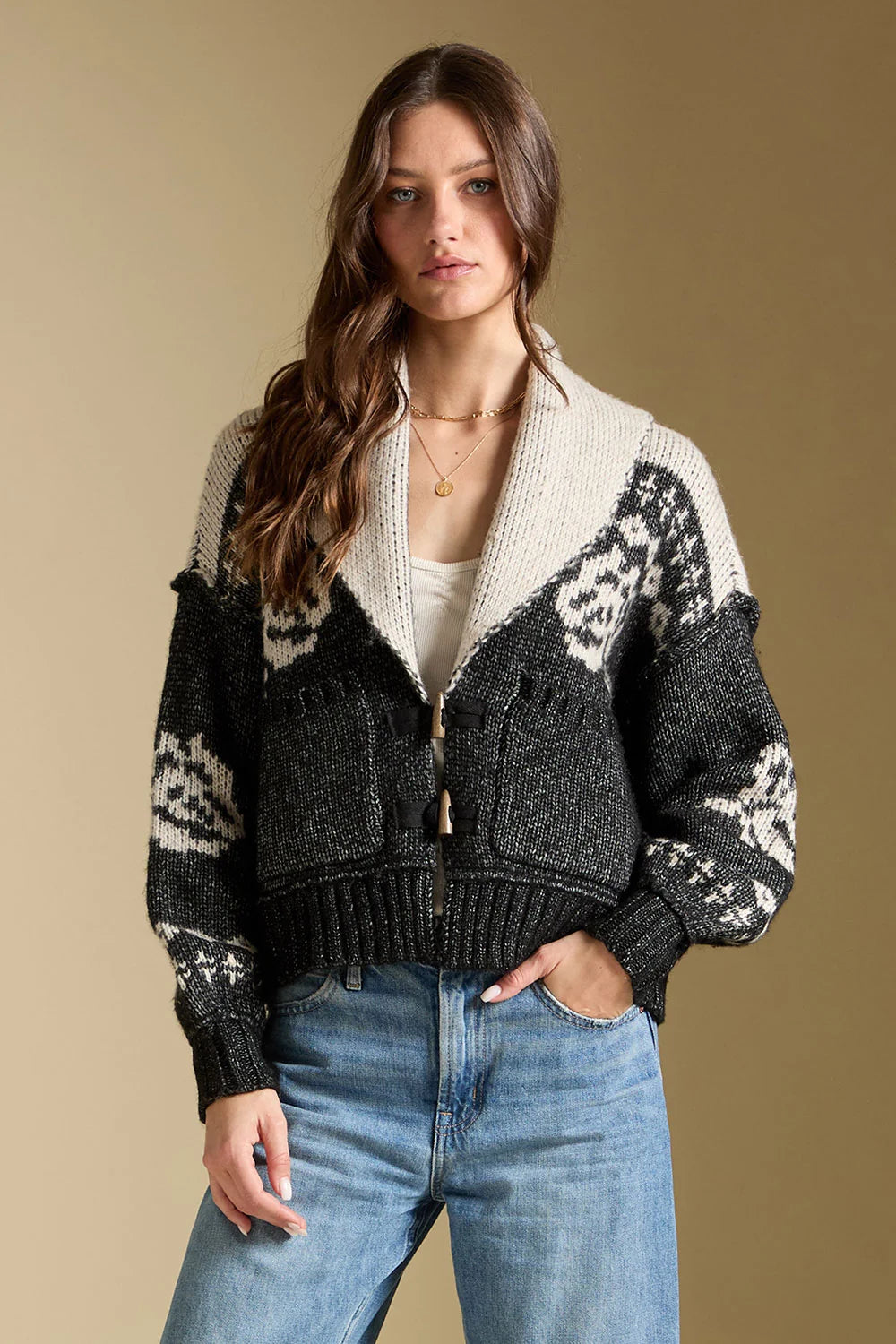
Hard-sided plastic bins with tight-fitting lids work well for most seasonal items because they block moisture and pests; use breathable cotton storage bags for natural fibers like wool to prevent mildew from trapped humidity. Avoid vacuum-sealing garments that include stretch, delicate trims, or bulky insulation, since prolonged compression can distort fit.
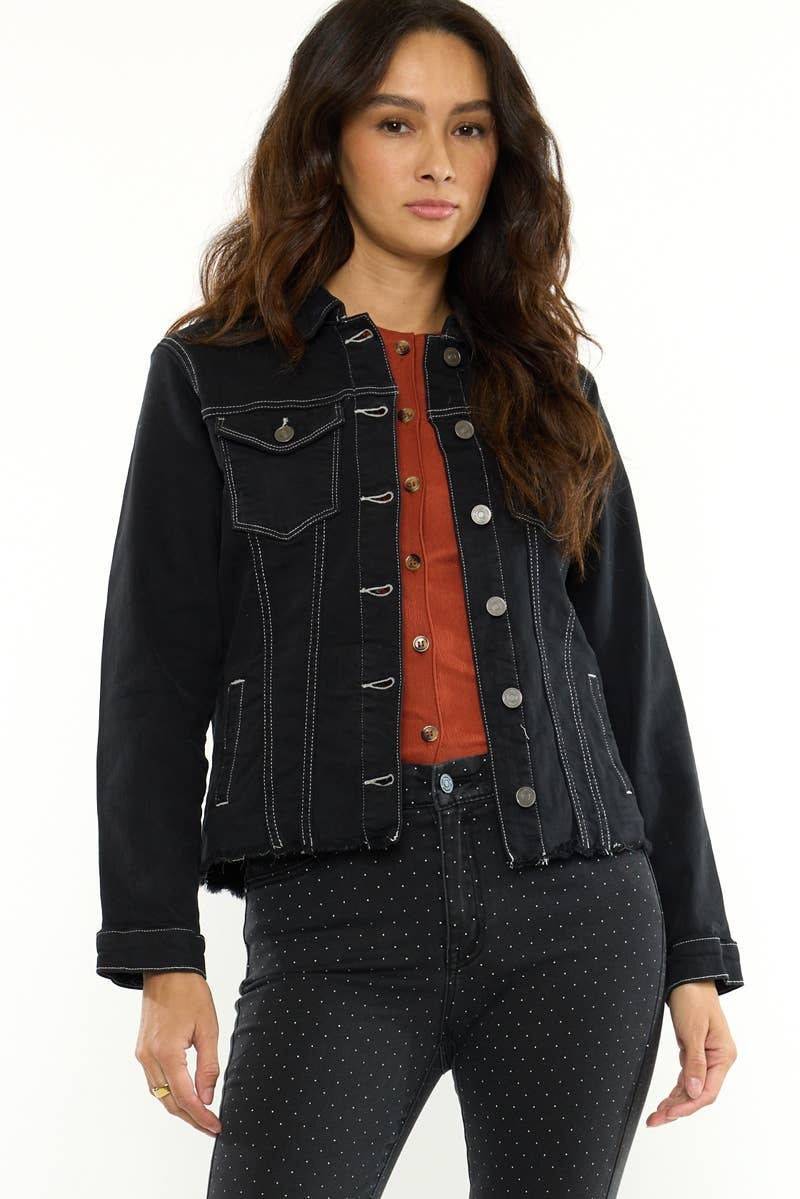
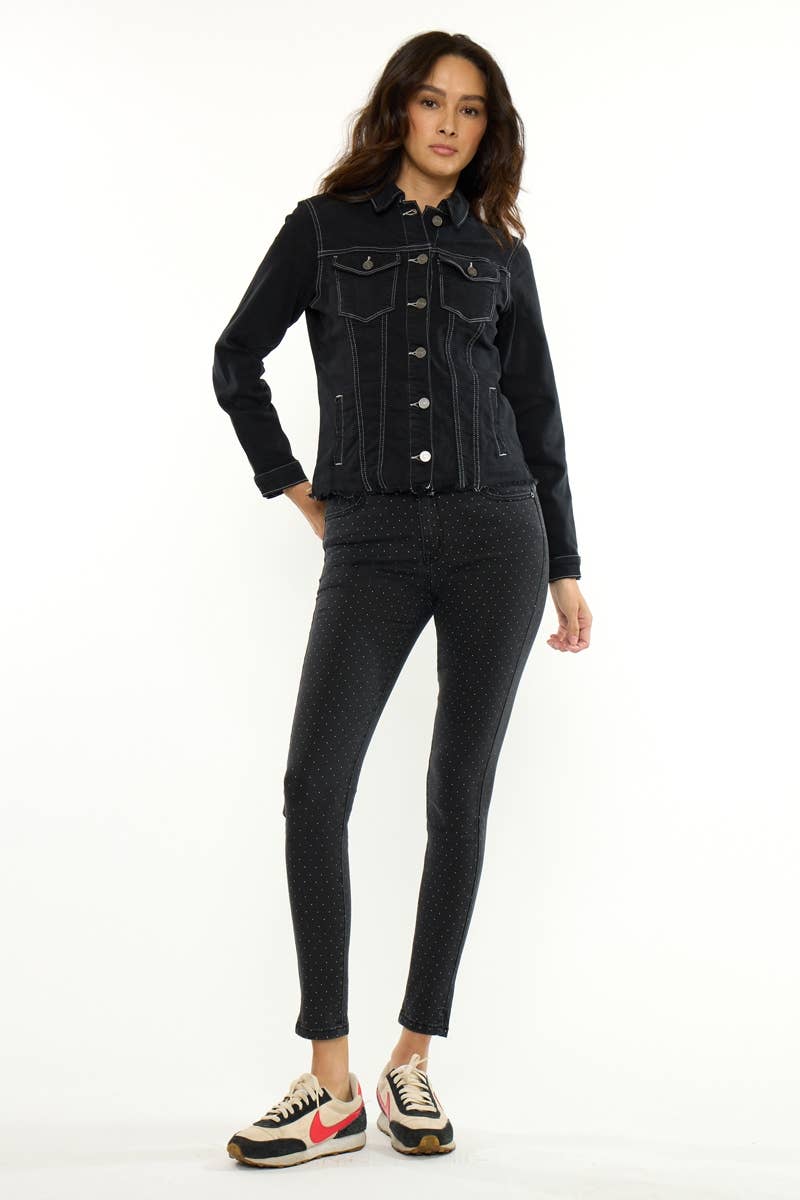
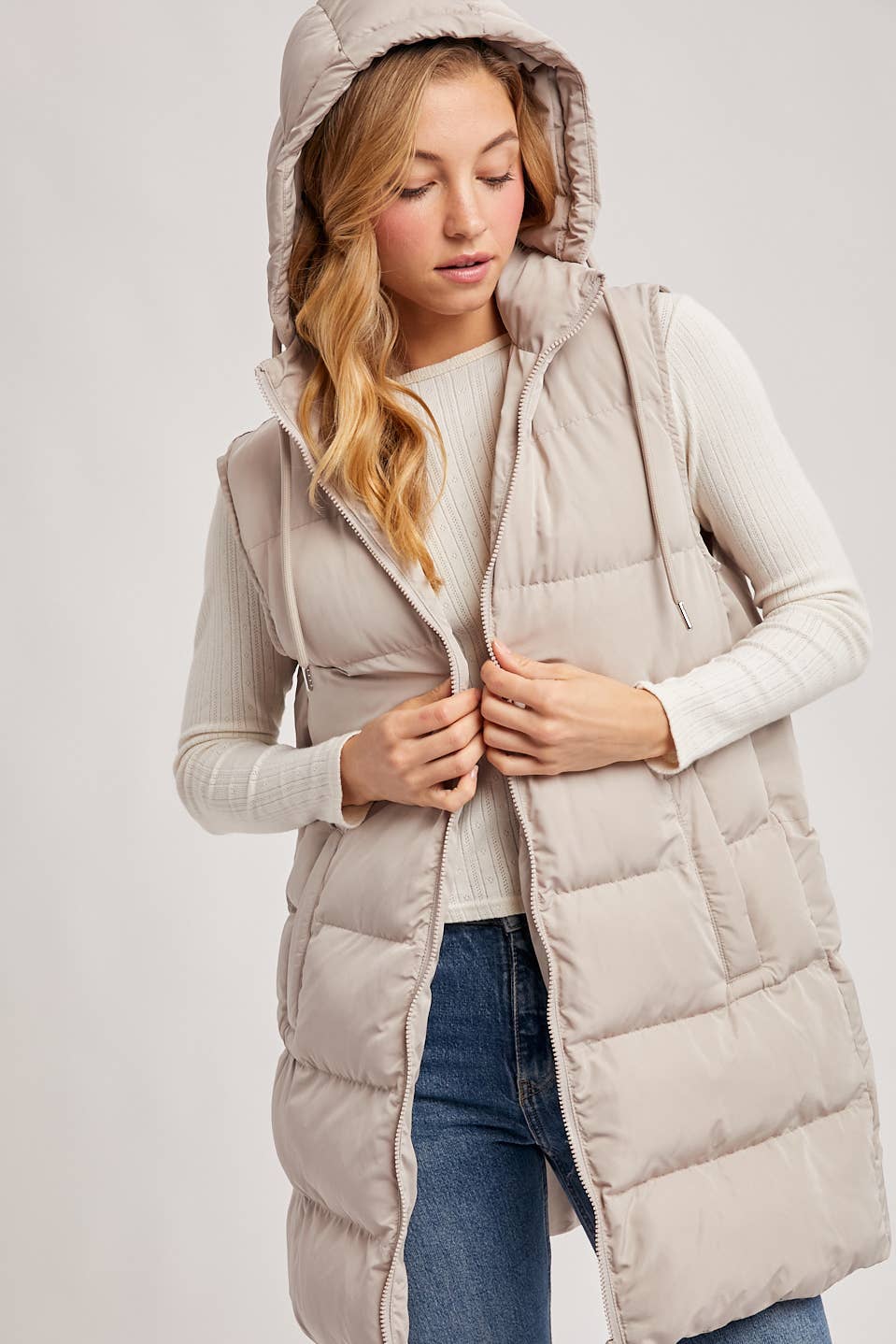
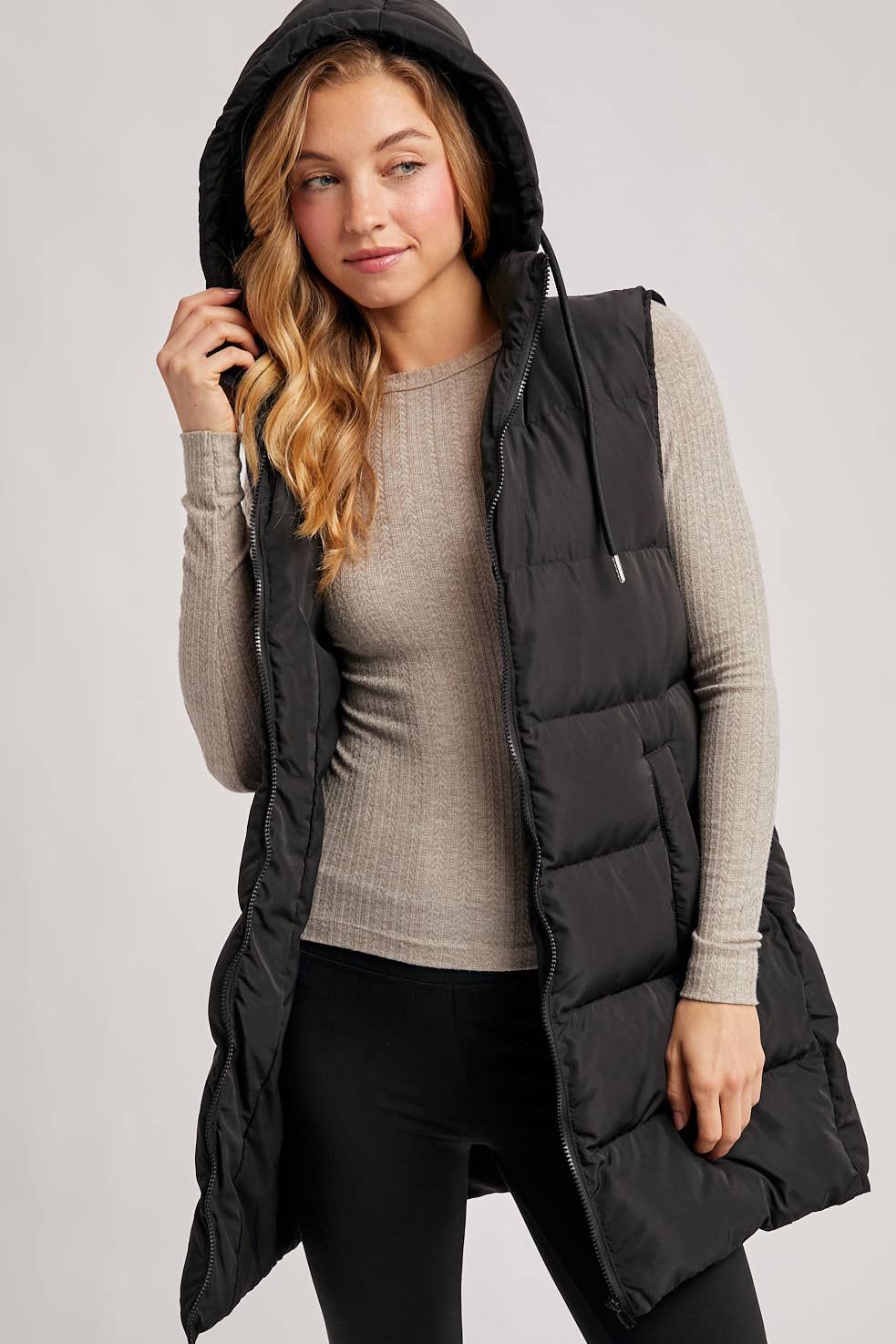
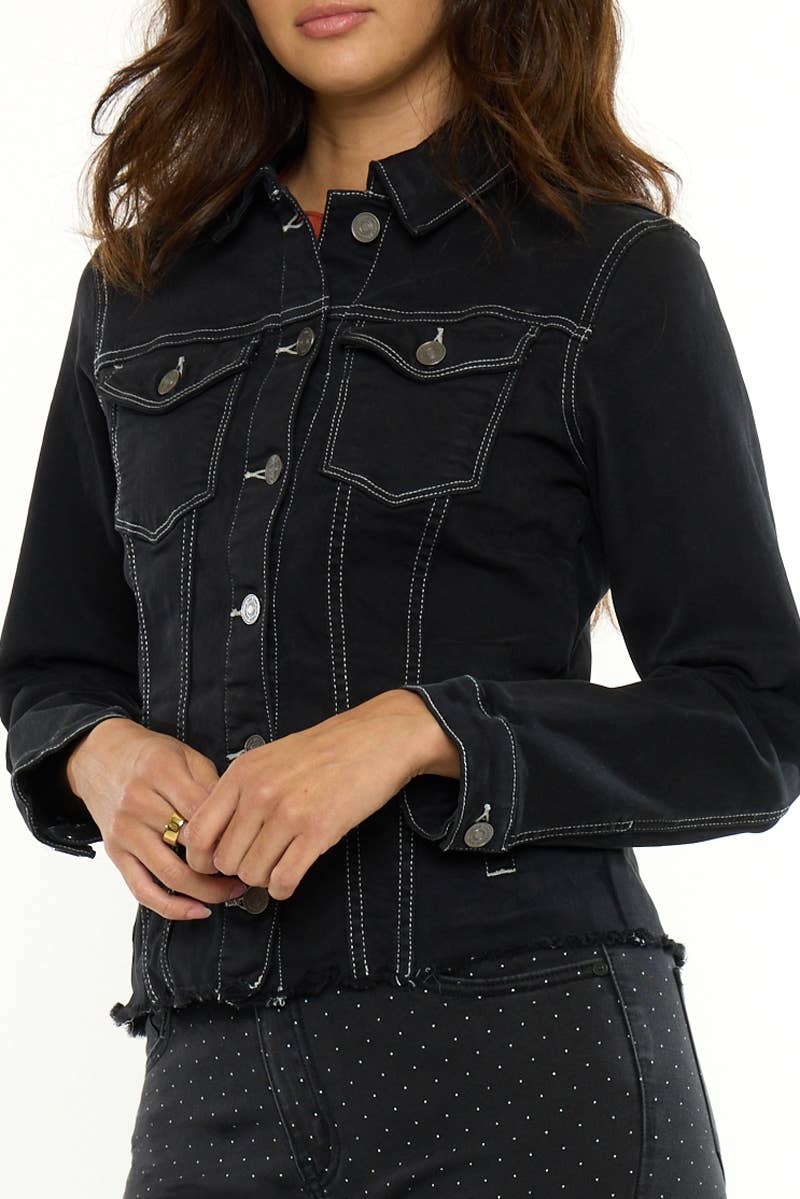
For structured pieces like a stretch denim jacket with a frayed hem, use a sturdy hanger to maintain shoulder shape and avoid fold lines along the collar and lapel. Lightweight puffer vests and other insulated layers are fine folded flat in a bin, but avoid crushing down the loft—consider storing them in a shallow bin or on a shelf where they keep some air volume.
Control Pests, Light, and Humidity
Store clothing in a cool, dry, dark place when possible. Sunlight fades dyes and weakens fibers over time, and fluctuating humidity encourages mildew. A small silica-gel packet or humidity indicator can help you monitor moisture levels in a bin; replace silica packets seasonally.
Use cedar blocks or lavender sachets as gentle deterrents for moths and insects, but avoid direct contact with delicate finishes or stretch fabrics. Check stored items periodically—every 6–12 weeks if feasible—so you can catch any issues early.
Unpack and Refresh Thoughtfully
When bringing items back into rotation, inspect each piece and follow the sewn-in care label before wearing. A light airing or a steam pass can revive fibers and reduce wrinkles without a full wash when the label permits. For insulated items, check loft and redistribute fill by gently shaking or patting pockets of insulation.
Reevaluate storage choices as you go: if a hooded longline puffer vest becomes compressed after storage, give it space to regain shape before regular use. Keep a simple mending kit and a small stain-treating pen accessible so you can address new wear immediately and avoid repeat storage damage.
Thoughtful storage extends the life and fit of seasonal garments. Clean and repair first, choose support and containers based on fabric, control the storage environment, and refresh items before wearing to keep your wardrobe ready when the season returns.