A blouse can be more than a base layer; small details give it character and make wearing it a quiet pleasure. This piece looks at specific elements designers add that transform fit, comfort, and visual interest so your blouses feel considered every time you reach for them.
Necklines and closures that define mood
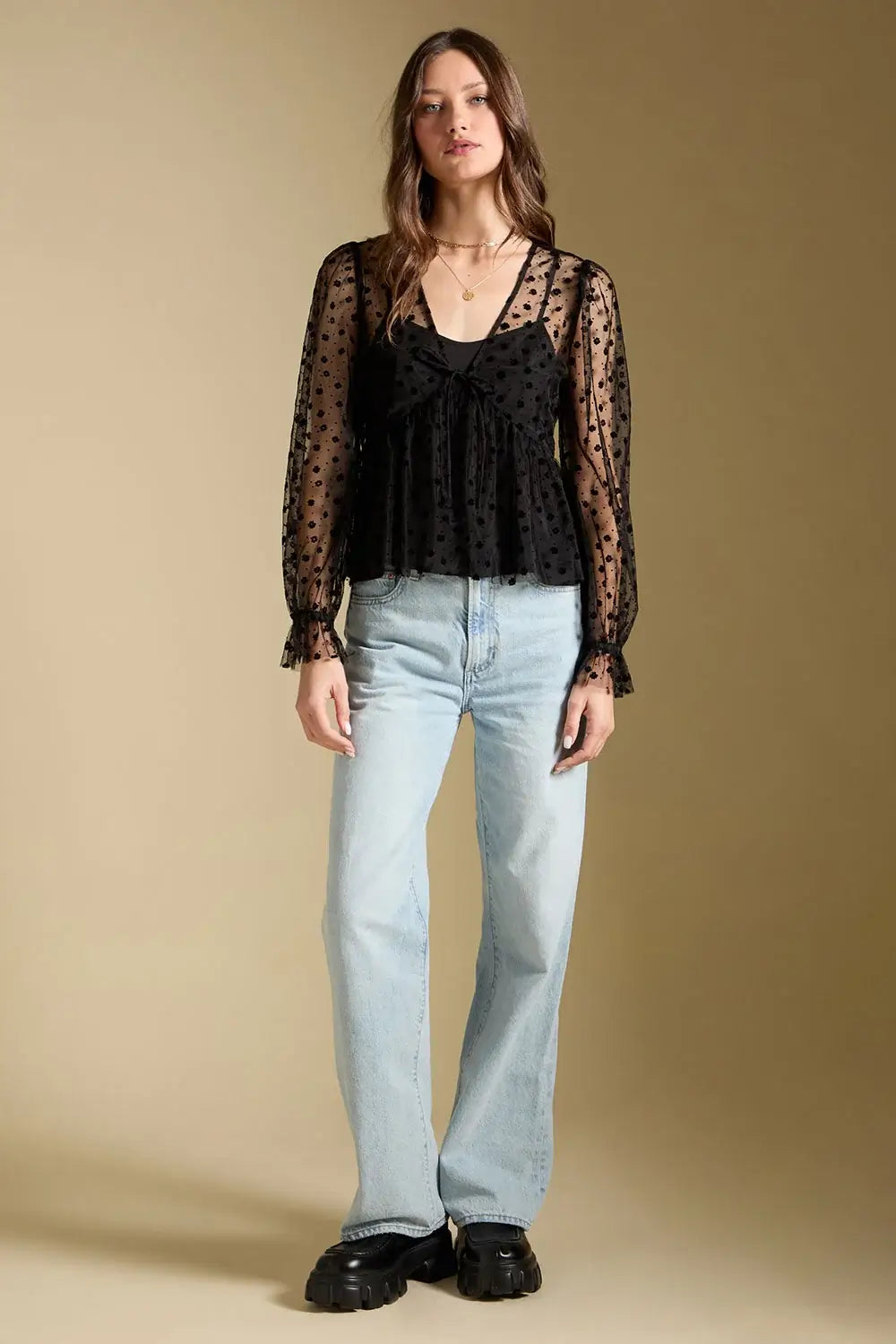
The shape of a neckline sets the blouse’s tone. A modest crew or round neck reads clean and modern, while a modest V or split-neck introduces a softer, more open line. Pay attention to how a finished neckline sits against your collarbone — it can frame jewelry or work alone as a focal point.
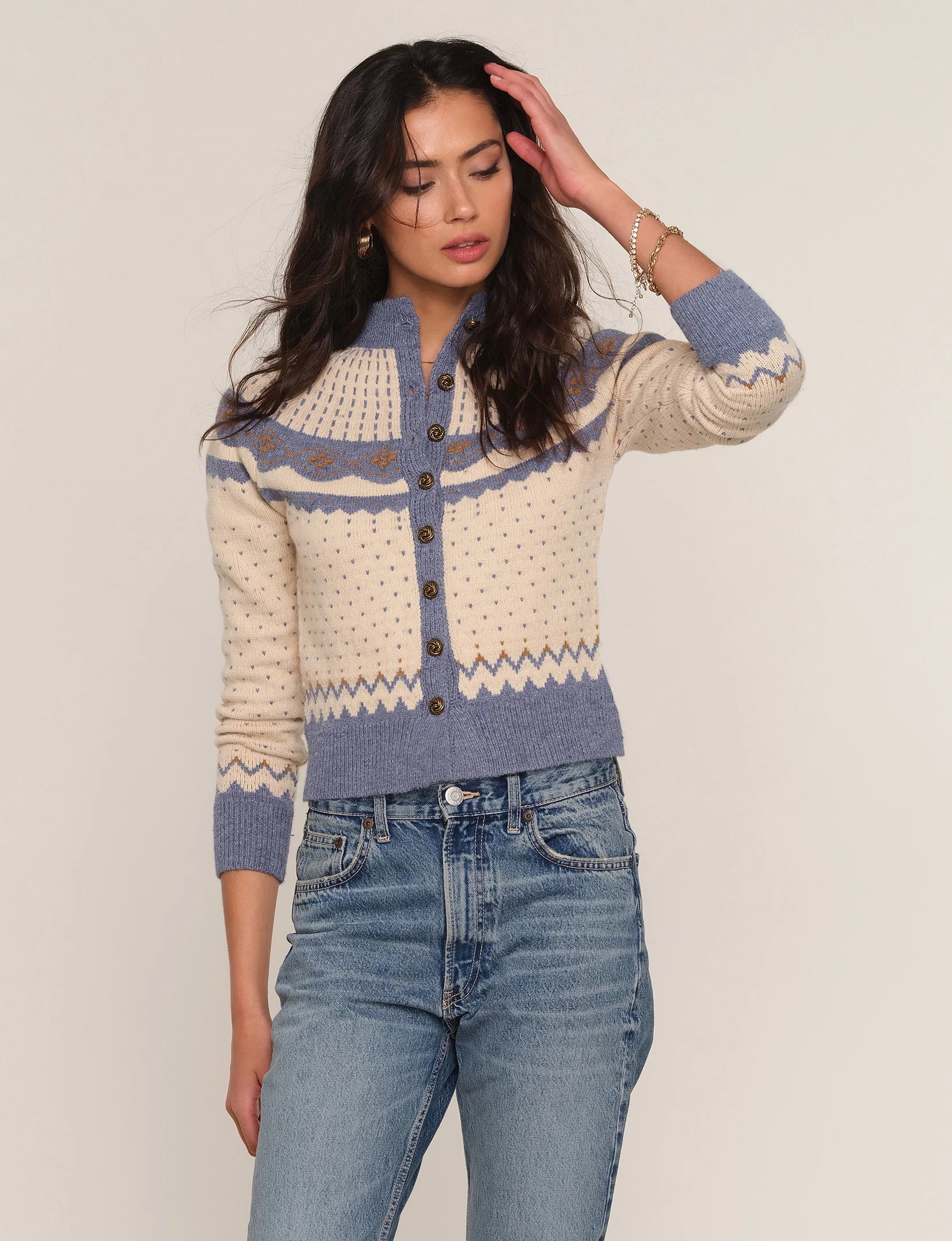
Closures matter too. A hidden placket keeps lines uninterrupted; visible buttons or a button-down front give rhythm and can make a blouse feel more intentional. If you like layered looks, pick a neckline that works with camis or tees underneath rather than competing with them.
Subtle surface details: texture, pattern, and print
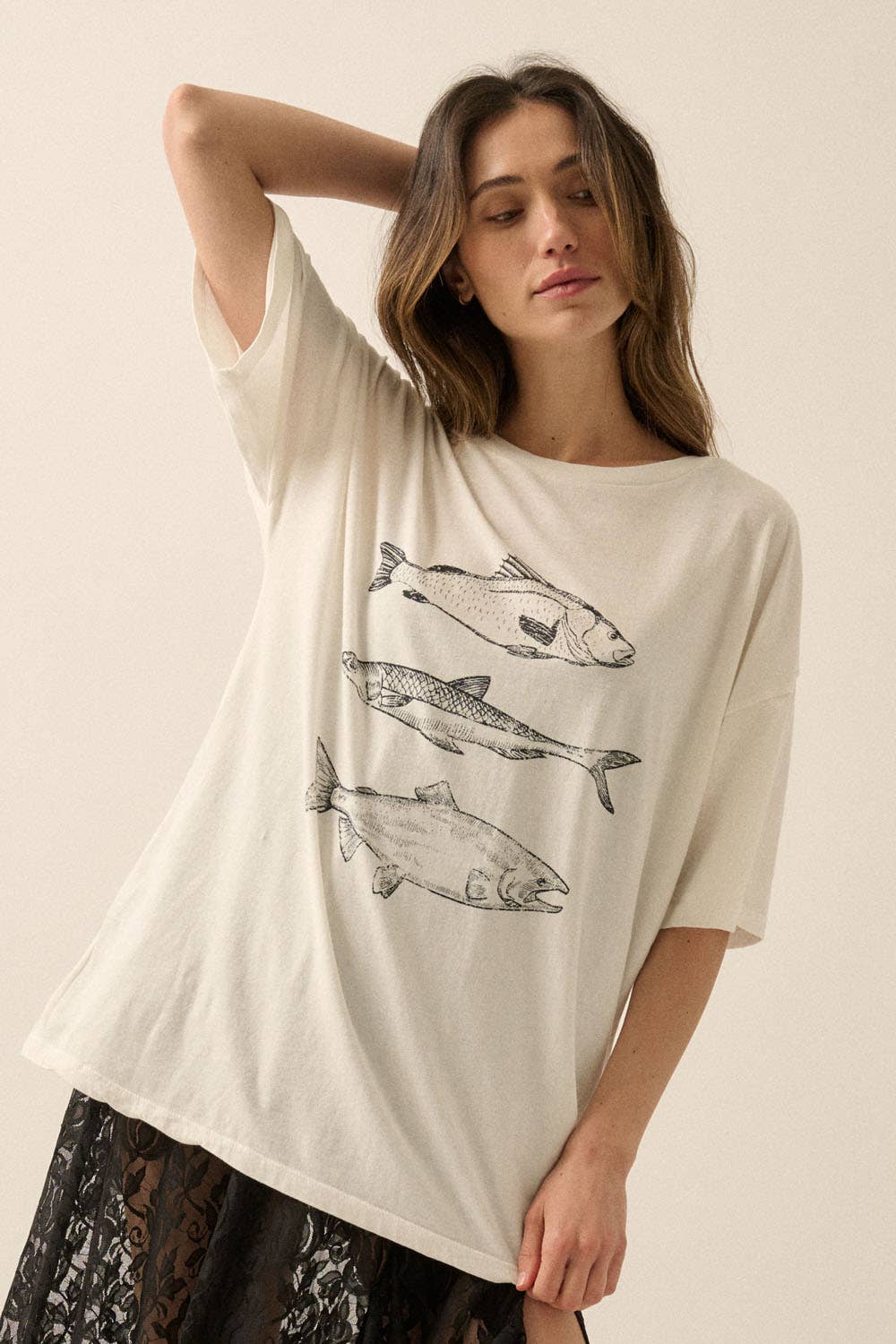
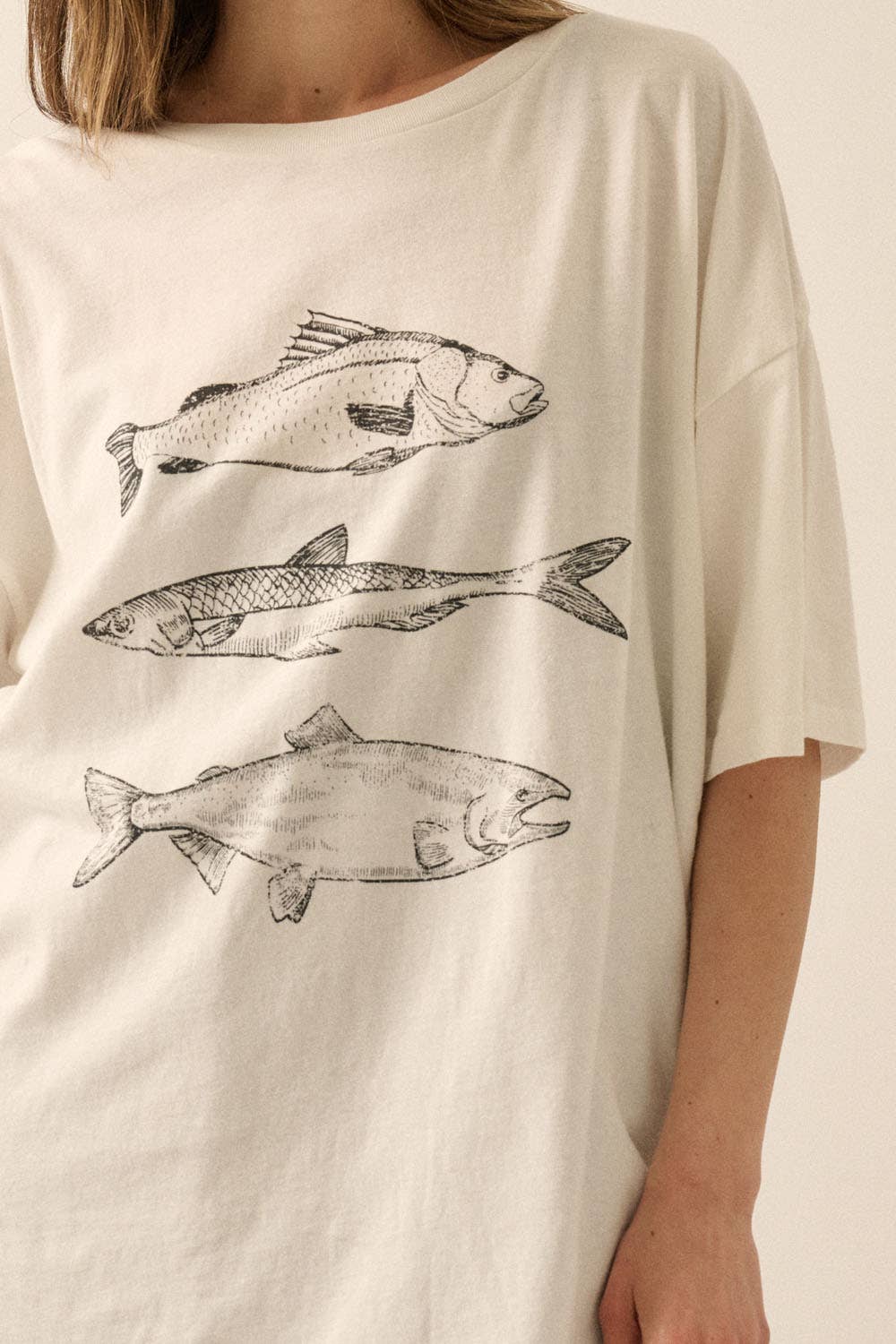
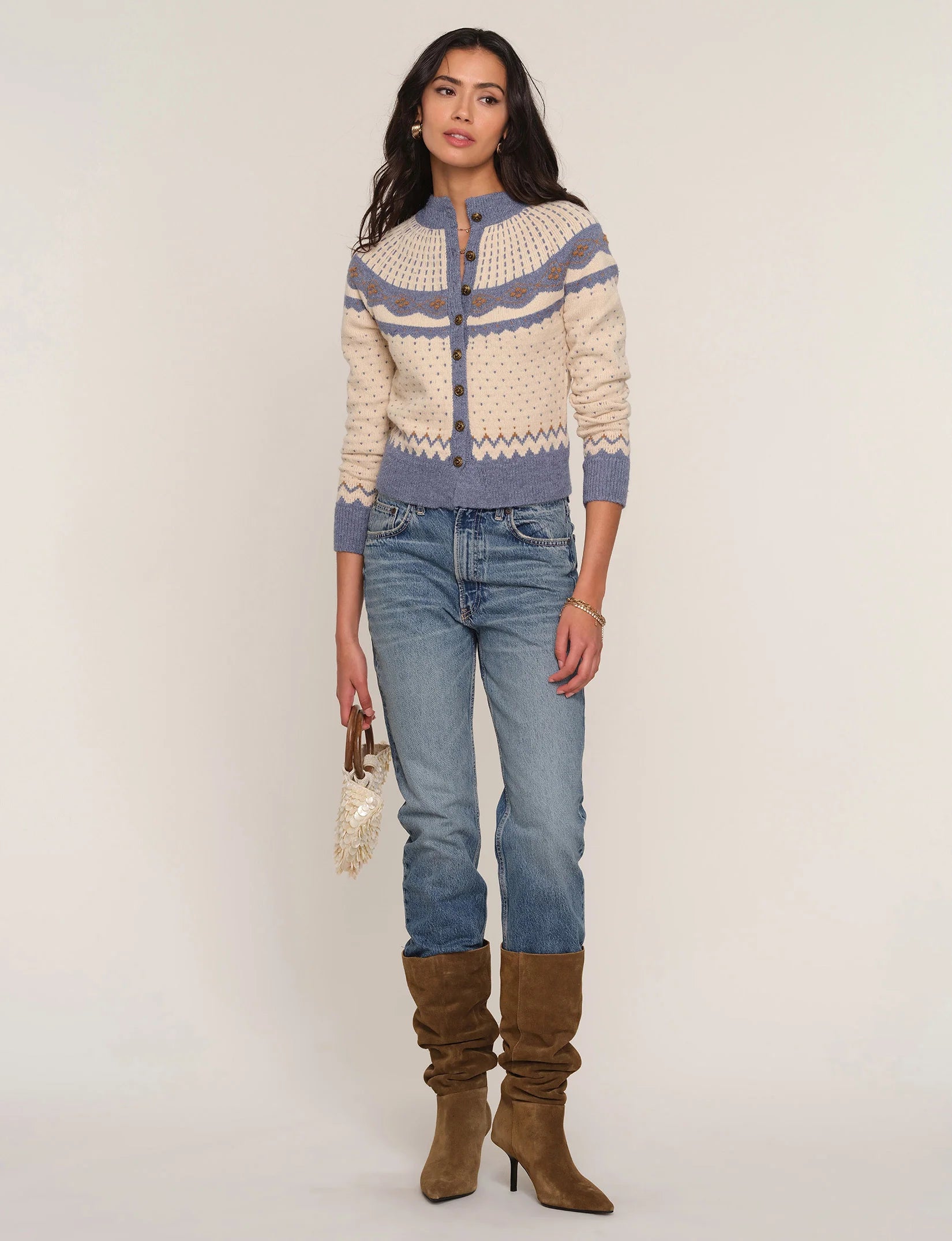
Texture and small-scale patterns give a blouse depth without shouting. Jacquard, fine pintucks, or a tonal dobby weave reads refined up close and adds interest from afar. A garment-washed graphic tee, for example, brings a lived-in softness and visual narrative through print and finish — consider pairing a textured blouse with such a tee for layered contrasts.
When selecting prints or textures, consider scale and placement. Tiny motifs across a blouse feel integrated; a single chest motif or a vertical stripe can redirect the eye and flatter proportions.
Edges and hems: the finishing touches
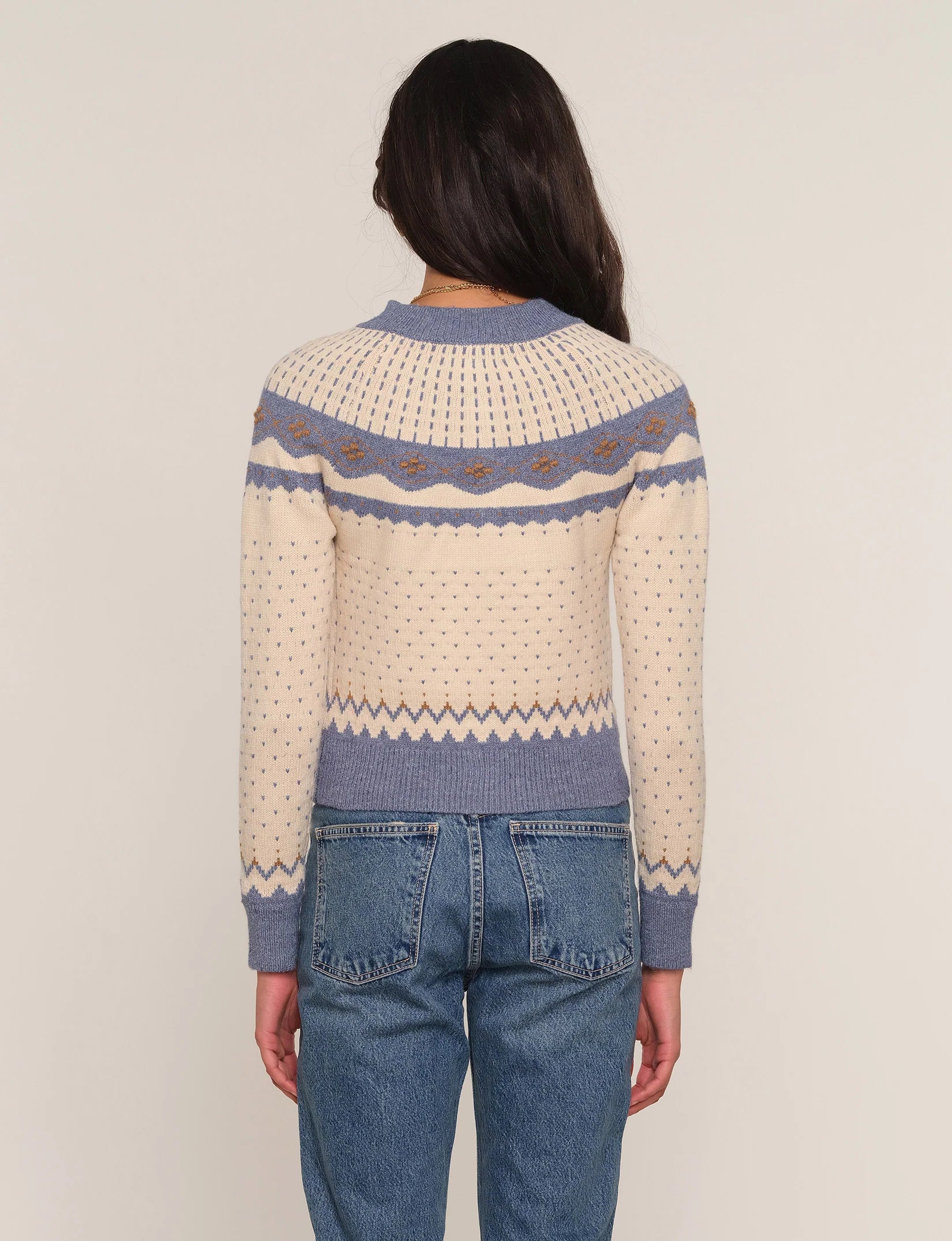
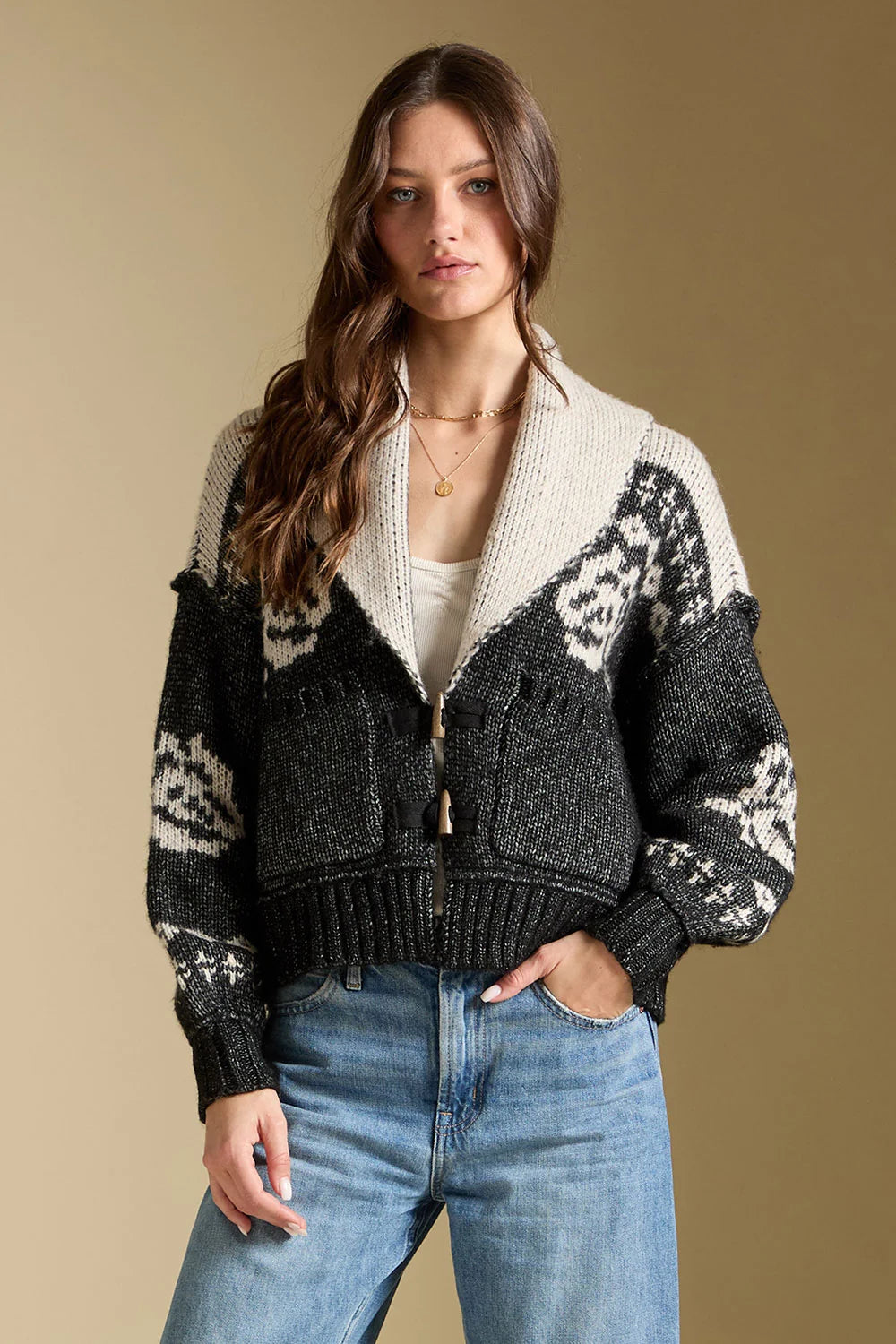
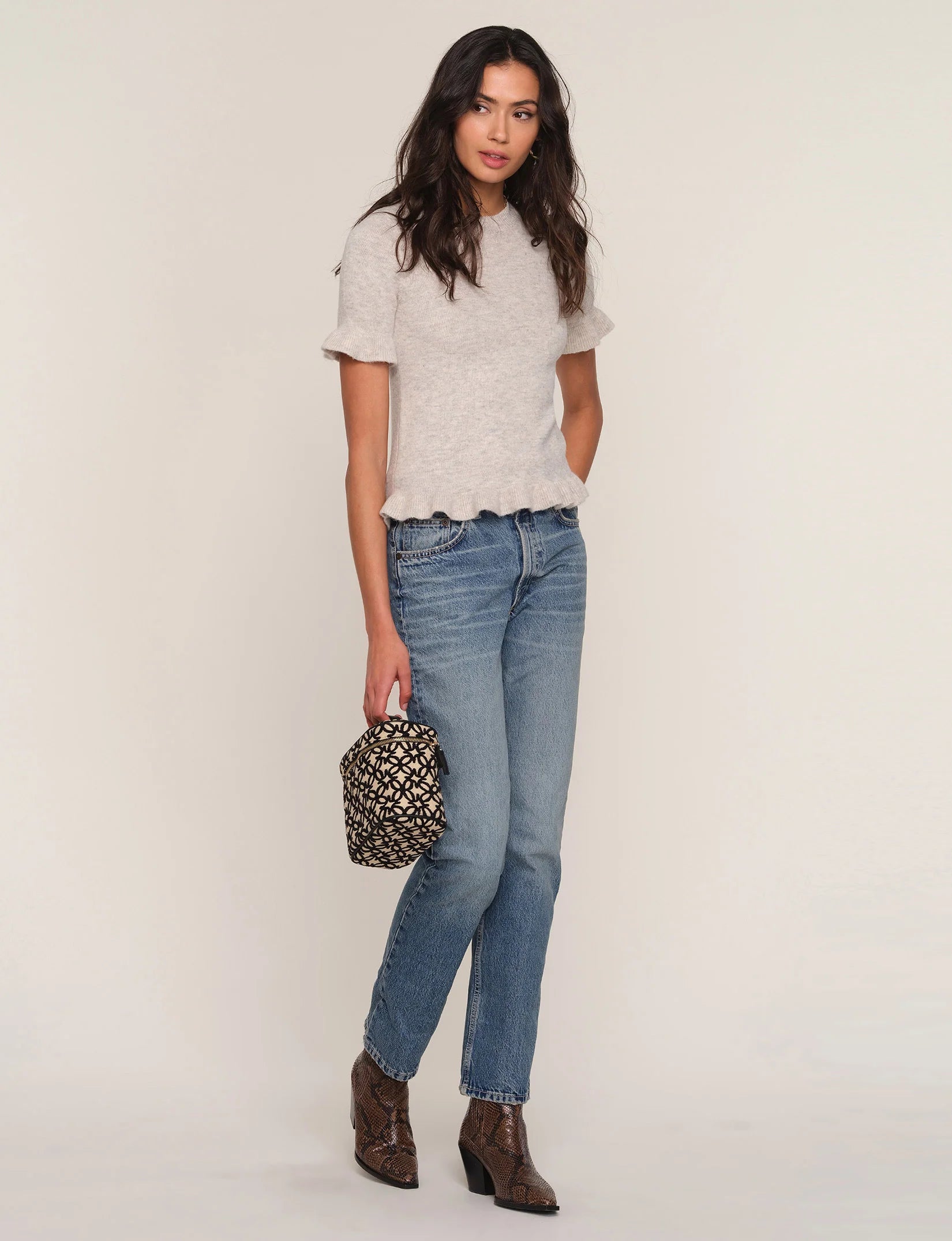
How a blouse finishes at the cuffs, hem, and collar makes a big difference in perceived quality. Contrast ribs or bound edges read deliberate and neat; exposed raw hems give a relaxed, intentionally casual feel. A ribbed edge at sleeve openings, for example, keeps shape and adds a small visual anchor.
For layering, shorter lengths and measured hems are useful. A relaxed-fit cardigan or shorter overlay works well with cropped or tucked blouses, so consider how blouse hem length will interact with tops you already wear.
Fabric hand and fit details that invite touch
The way a fabric feels and drapes determines daily comfort. A soft melange knit with a relaxed fit creates an approachable, textured silhouette; similarly, garment-washed cotton makes tees feel broken-in and friendly. These tactile qualities encourage wearing a piece often.
Fit details — relaxed vs. tailored, drop shoulders vs. set-in sleeves — change how a blouse moves during the day. If you favor ease, look for relaxed silhouettes that retain structure through subtle features like ribbing at edges or a modest neckline to keep the shape intentional without being restrictive.
When choosing blouses, look past color and size to the small choices that influence how a piece wears: neckline, surface detail, finished edges, and fabric hand. Those details are what make a blouse feel thoughtfully special every time you wear it.