Style isn’t a single achievement to unlock; it’s an ongoing practice that asks for curiosity and small, manageable rituals. Approaching your wardrobe as a practice helps you learn what works physically and emotionally, respond to changes, and build confidence gradually.
Start with clear, short-term intentions
Rather than aiming for a finished ‘look,’ decide what you want an outfit to do this week — be comfortable for errands, look put-together for a meeting, or simplify getting dressed on busy mornings. Short, actionable intentions (three to five) give you criteria to try combinations against and reduce indecision.
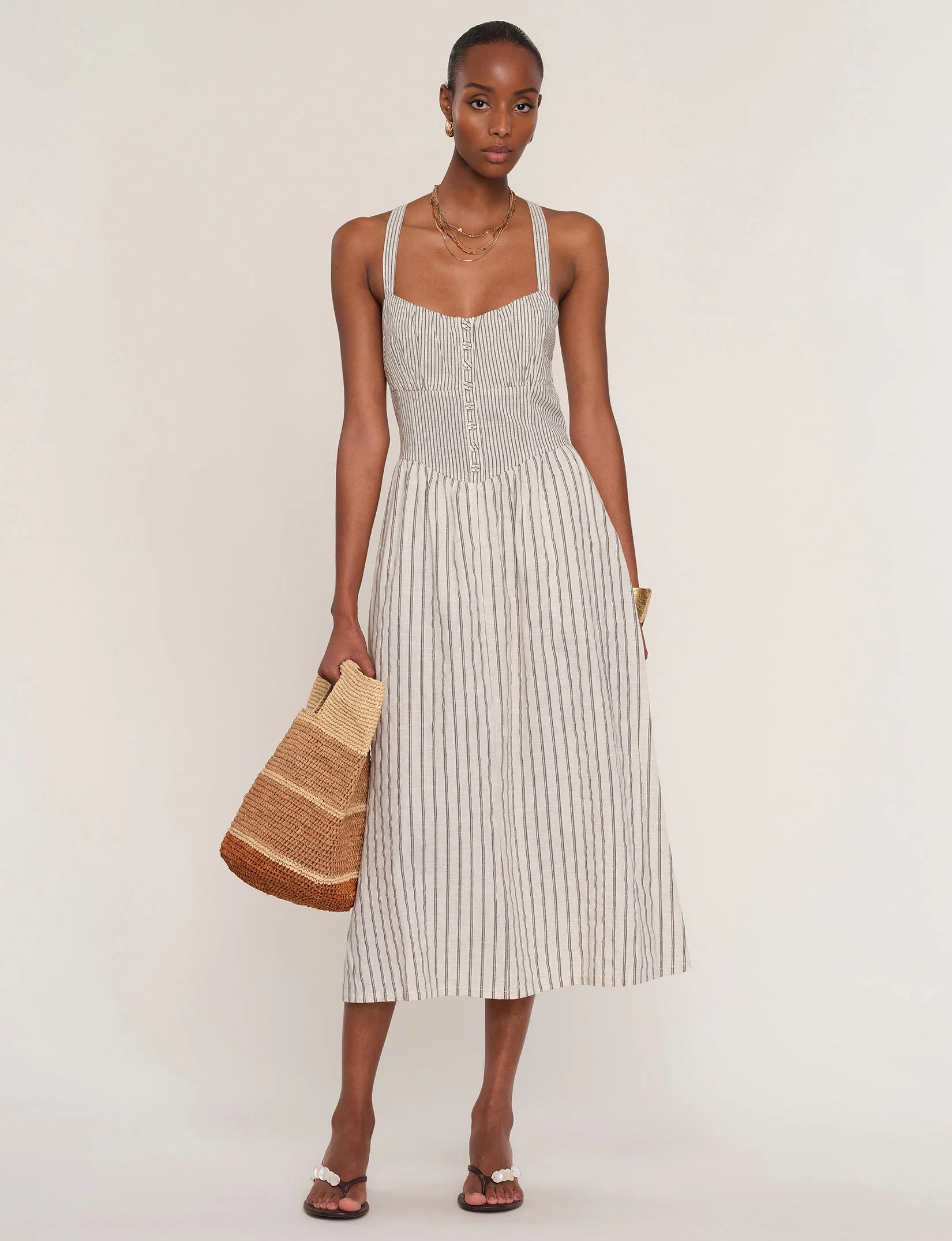
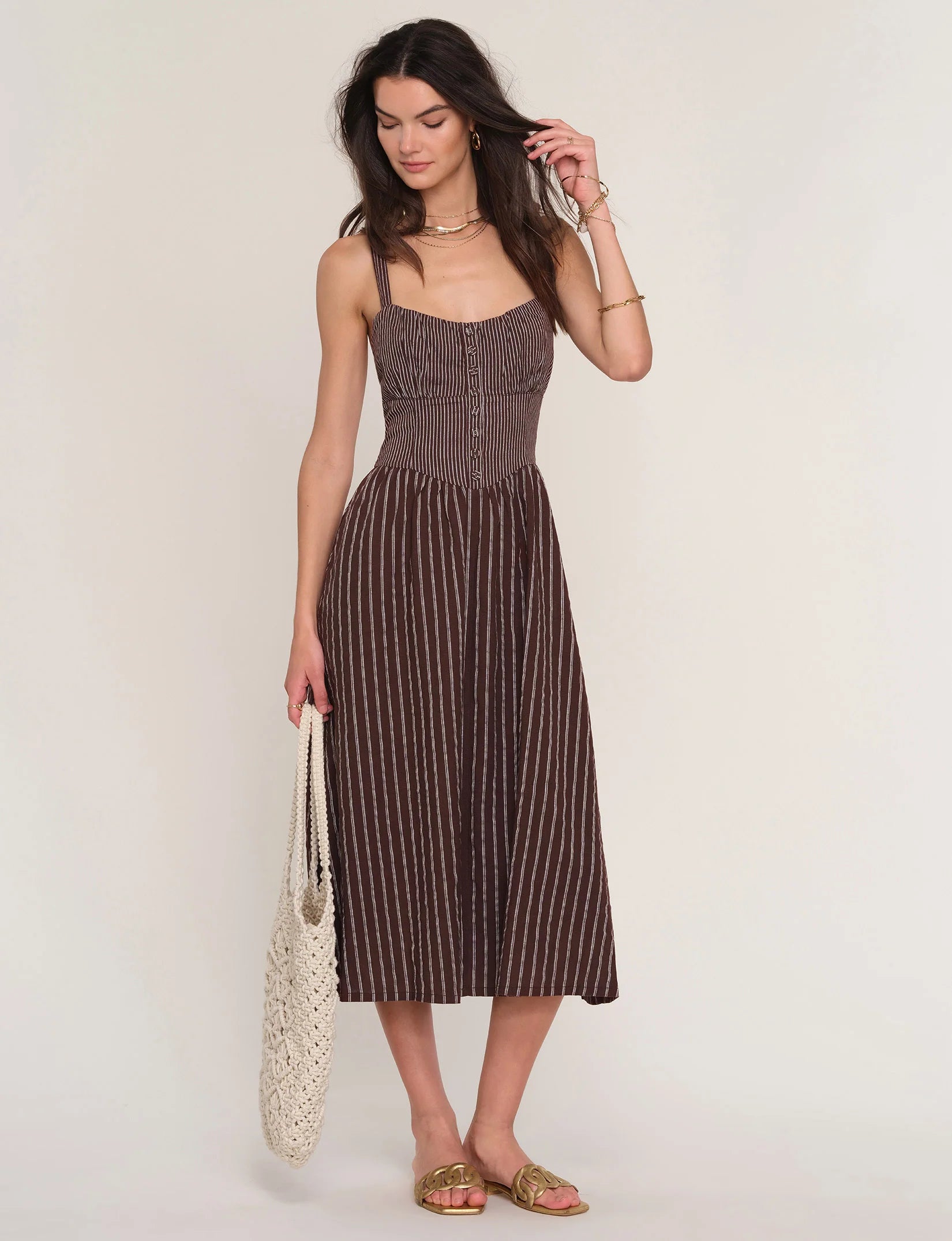
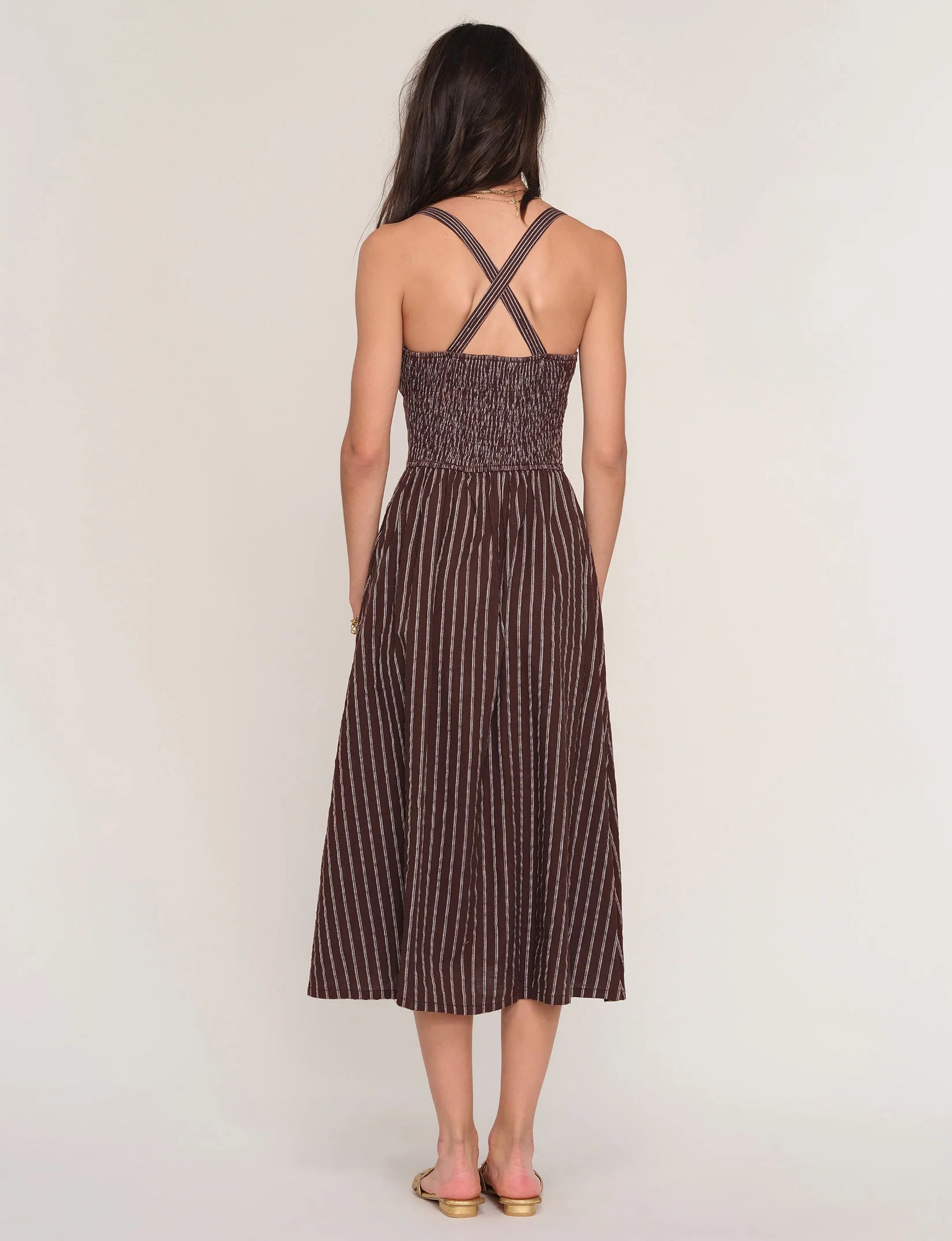
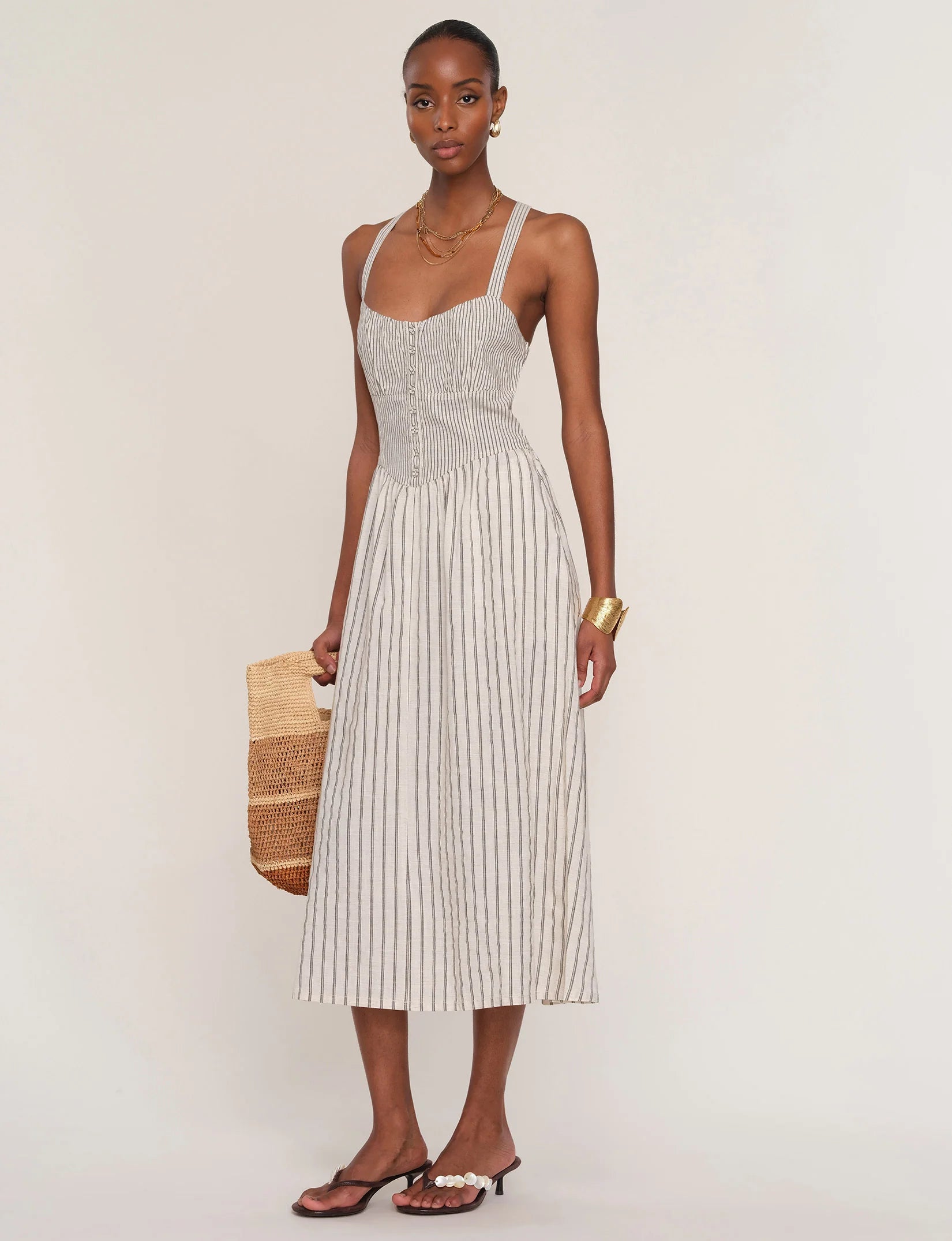
Choose one garment that illustrates that intention and center experiments around it. For example, a fitted bodice with a full skirt like the Heartloom Klimt Dress (washed lyocell mix stripe with smocking at the back and center-front button closure) can be a useful anchor when testing how relaxed polish fits into your day: note how it feels when you sit, move, or carry a bag.
Make low-stakes experiments and record outcomes
Treat outfit trials like short experiments: try a new pairing, wear it for part of a day, and observe what worked or didn’t. Keep a quick note on your phone or in a small notebook—what combinations made you feel functional, comfortable, or distracted? Over time, these micro-observations become reliable data.
Rotate variables one at a time so you can learn causation: change shoes but keep the same dress and accessories, or swap outer layers while wearing the same base. With pieces that have specific fits or materials, such as the Klimt Dress’s slim fit bodice and full sweep skirt in a lyocell/cotton blend, note how fabric weight and seam placement influence movement and layering.
Develop simple rituals that support practice
Rituals turn intention into habit. Examples: lay out three outfit options the night before, photograph combinations you like for future reference, or schedule a monthly 30-minute wardrobe review where you try on a handful of outfits with new pairings.
Make the rituals small and repeatable. A brief weekly check-in helps you respond to weather, events, or mood shifts without overhauling everything. The goal is consistent attention rather than perfection—this steadiness creates cumulative improvement in how your wardrobe serves you.
Refine, don’t purge — adjust by use, not impulse
When a piece no longer fits your needs, ask targeted questions: when did I last wear it, did it meet the intention I had, and can a small alteration improve its function? Alterations, different underlayers, or new accessories can often solve issues without wholesale replacement.
For garments with defined characteristics (fabric, fit, closure), rely on practical fixes. If a fitted bodice feels tight when layered, try a lighter underlayer or different closure treatment rather than assuming it’s unusable. Keep decisions rooted in how the garment performs in everyday movement and tasks.
Personal style deepens with practice: set short intentions, run small experiments, keep simple rituals, and refine based on use. That steady attention teaches you which pieces—like a well-fitting dress with thoughtful seaming—truly support your life.