Floral dresses feel easy to wear but can also look generic if left as-is. This guide shows specific, practical ways to personalize a floral dress so it reads like your style: adjust proportions, anchor it with complementary garments, and add finishing details that reflect how you move through your day.
Start with the silhouette and fit
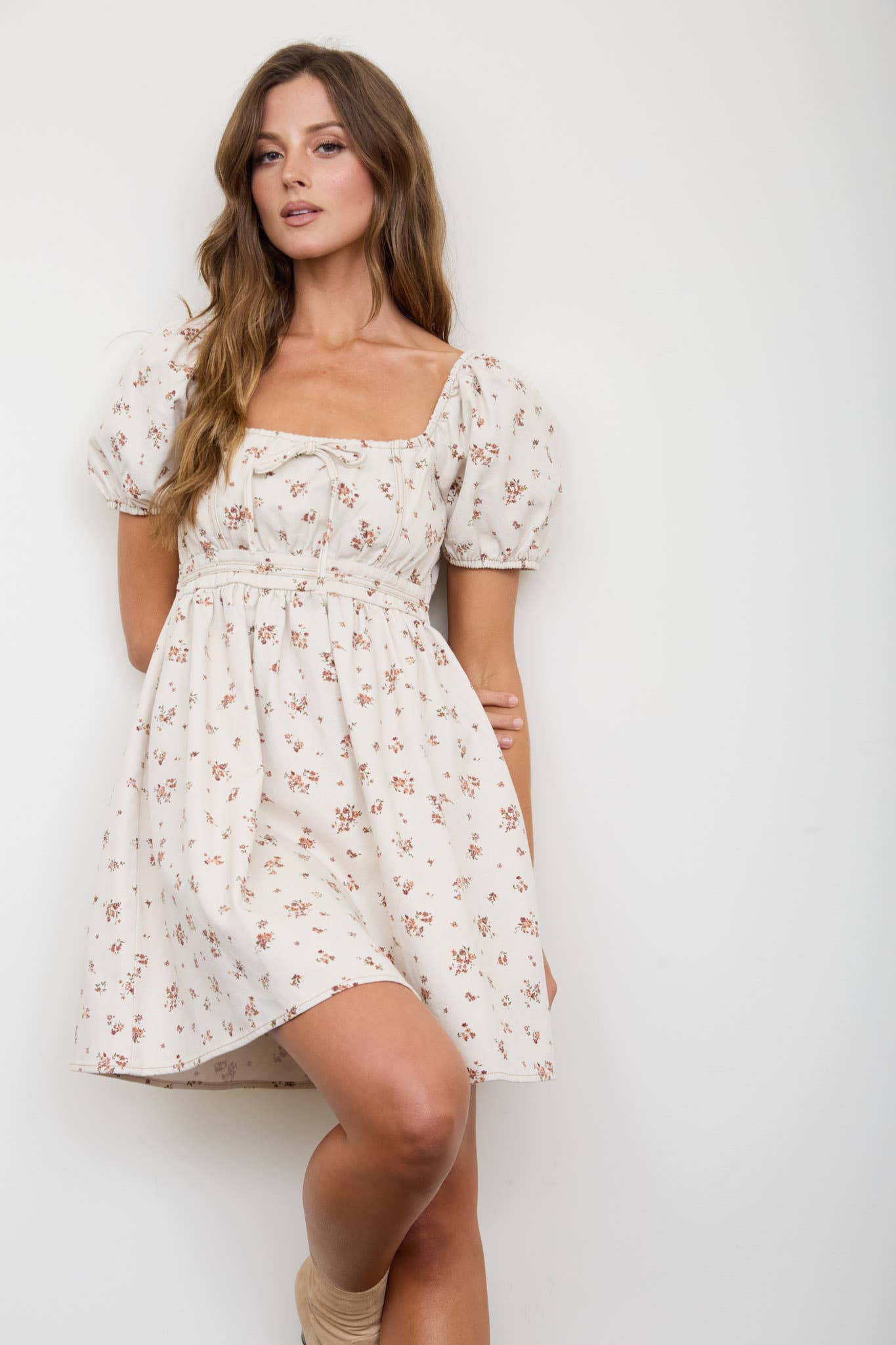
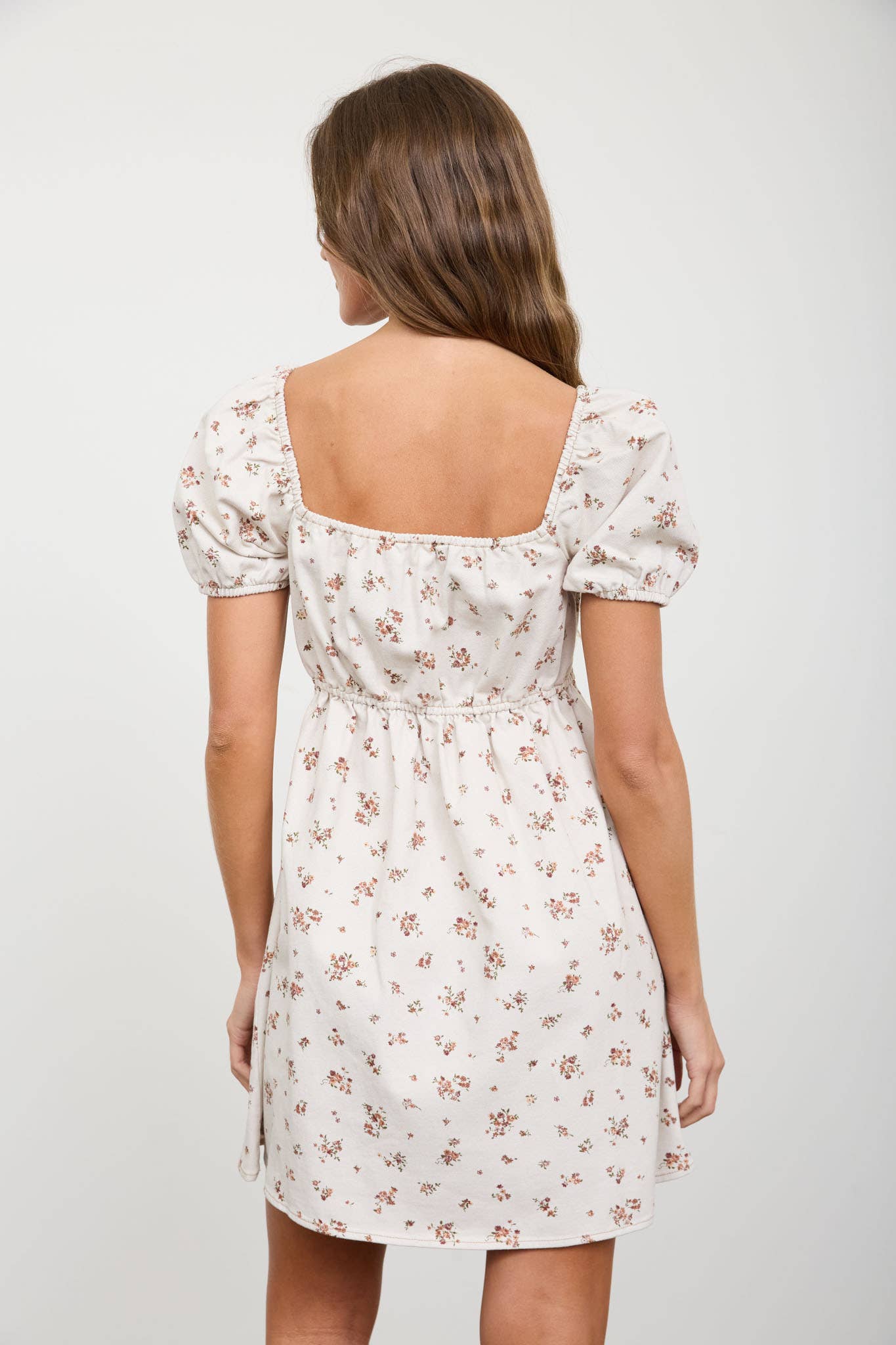
Assess how the dress sits on you and which proportions flatter your shape. For a mini dress with an empire waist and gathered A-line skirt, like the Blu Pepper Ditsy Floral Puff Sleeve Square Neck Mini Dress, emphasize or downplay the waistline by layering. A cropped denim jacket or a fitted knit bolero will preserve the empire proportion, while a longer, tailored vest can lengthen your torso and create a sleeker line.
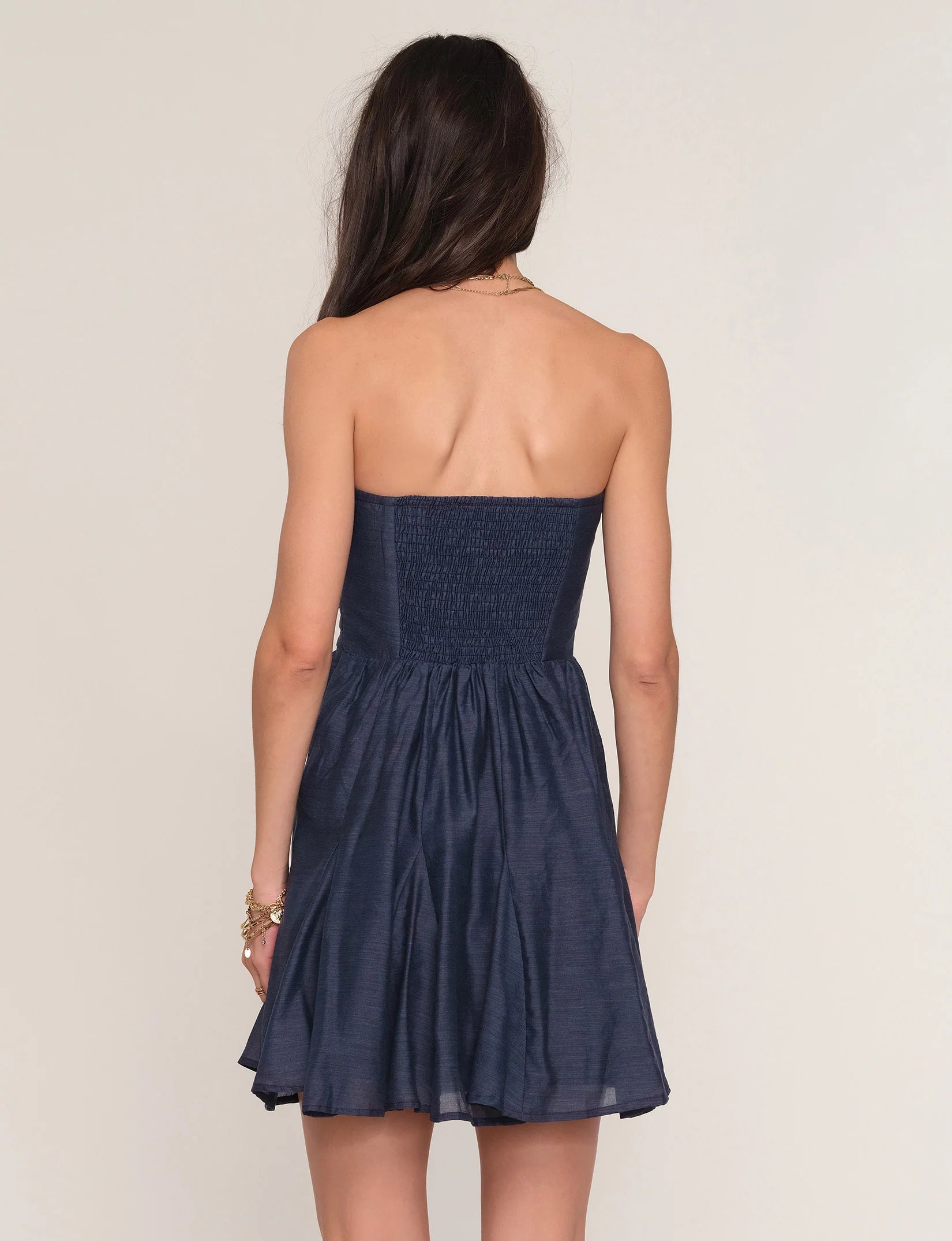
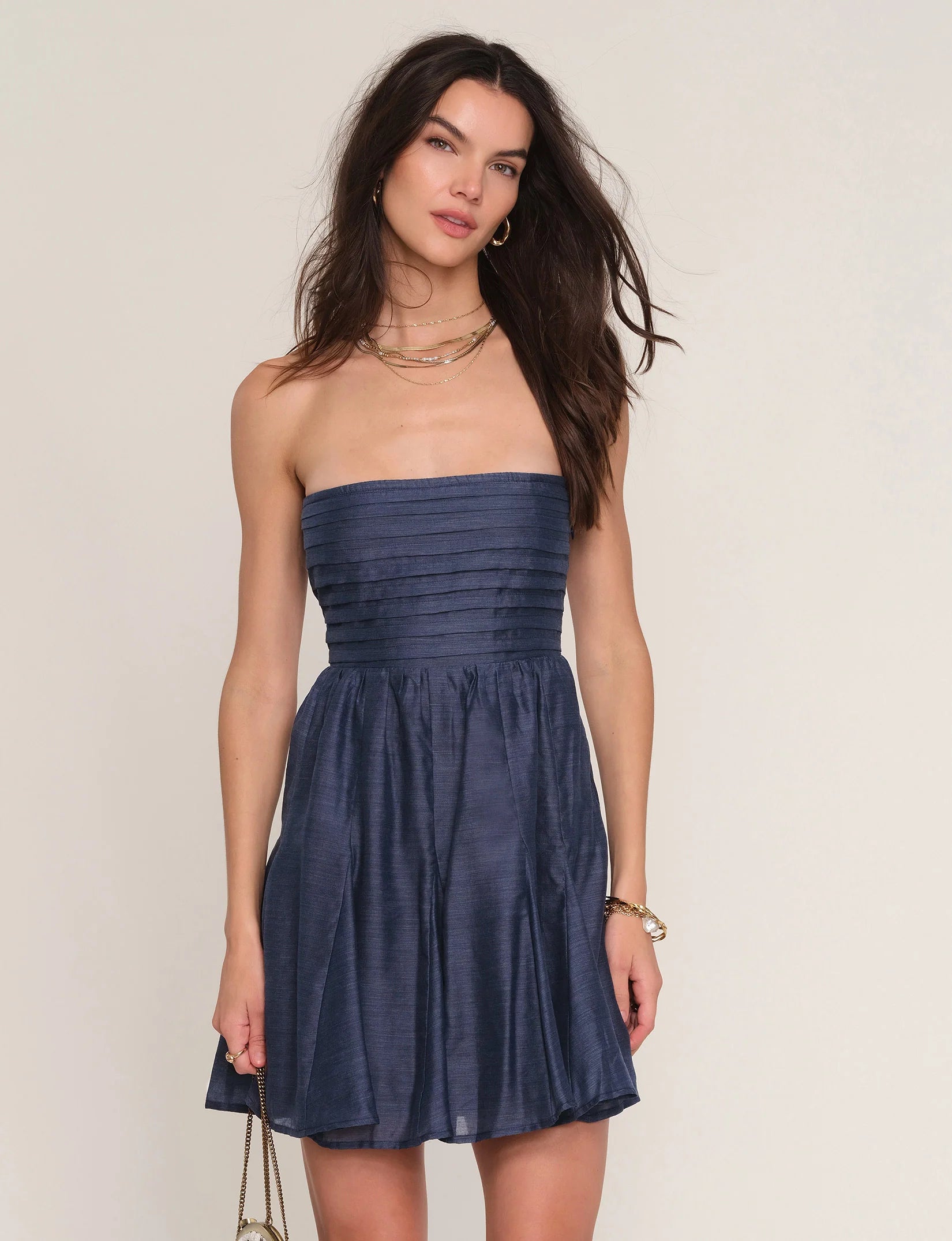
If the dress has a strapless, pleated bodice and full skirt—similar to the Heartloom Jodie Dress—consider a lightweight, fitted tee underneath for a daytime look or a shirred bandeau that plays off the smocked back for added texture. Smocking and pleats invite soft, adjustable fits; use those details to your advantage rather than masking them.
Mix textures and weights
Contrast a breezy voile or cotton floral with structured or cozy materials to add interest. A cropped leather or heavy cotton jacket grounds a lightweight dress and introduces an unexpected edge. Conversely, pairing a cotton mini with a soft cashmere shrug softens the print and reads more refined.
Pay attention to scale: a ditsy floral pattern like Blu Pepper’s reads best with small-scale texture (ribbed knits, fine crochet), whereas a full, pleated skirt benefits from smoother, denser fabrics at the hem to avoid bulk. Layering a slip dress or lightweight camisole under a semi-sheer voile keeps the skirt’s movement intact while adding modesty and warmth when needed.
Anchor with intentional accessories
Accessories can shift a dress from playful to grown-up without altering the garment. Swap footwear to change context: sandals or espadrilles keep a floral mini casual; low-heeled ankle boots make the same dress feel more composed. A wide belt at the natural waist or just above the empire seam emphasizes shape and creates a new focal point.
Small accents—a structured straw bag for daytime, a narrow metallic bracelet for evening—reframe the print. Choose scale and color that relate to the dress: for oatmeal multi florals, warm neutrals and soft ochres harmonize; indigo tones in a soft voile pair nicely with muted metallics or deep tan leathers.
Personal edits and practical considerations
Minor tailoring can make a big difference. Shortening a hem by an inch or bringing in side seams at the bodice preserves the dress’s character while improving wearability. If a strapless bodice feels insecure, adding discreet bra loops or a thin, removable strap keeps the silhouette but increases comfort.
Always follow the sewn-in care label when caring for these garments. Because fabric and construction differ—cotton dresses and soft voile linings require different handling—defer to the label’s instructions rather than general rules, and store dresses on proper hangers to maintain pleats and smocking integrity.
Making a floral dress your own is about small, deliberate choices: tweak fit where it matters, contrast materials for visual interest, and finish with accessories that reflect your daily needs. With those adjustments, a floral becomes distinctly yours.