Vests are a versatile midlayer for everyday errands — they add warmth without bulk and keep your arms free for coffee cups, grocery bags, or stroller handles. This short guide focuses on easy, reliable ways to wear a vest so you stay comfortable, functional, and put-together during a busy day out.
Choose the right base and vest proportions
Start with the base layer you’ll be wearing under the vest. A long-sleeve tee, lightweight sweatshirt, or thin sweater provides a smooth silhouette and prevents the vest from pulling at the shoulders. If your vest is boxy, choose a slimmer top so the overall look stays neat; if the vest is more fitted, a slightly relaxed base can feel comfortable without adding bulk.
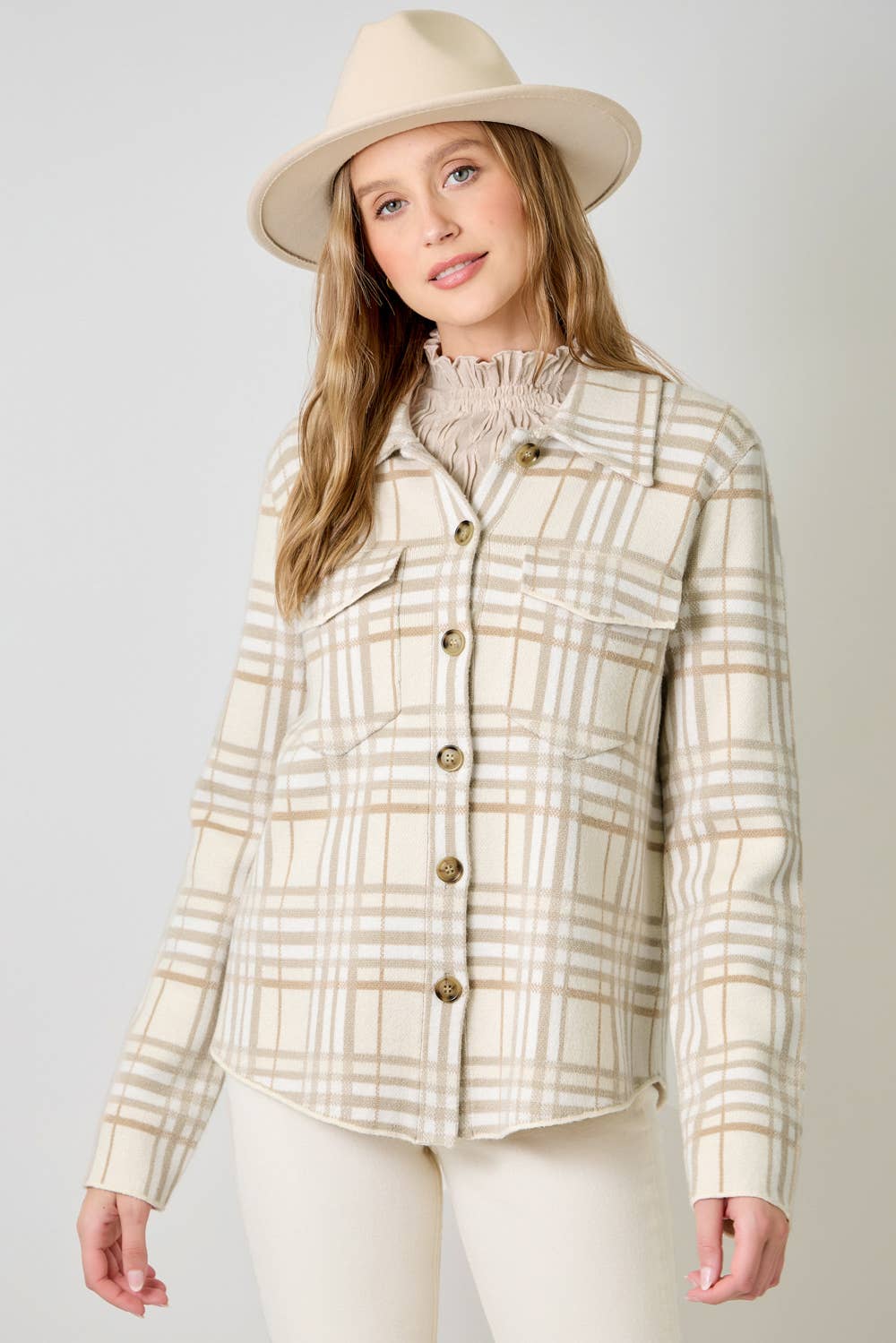
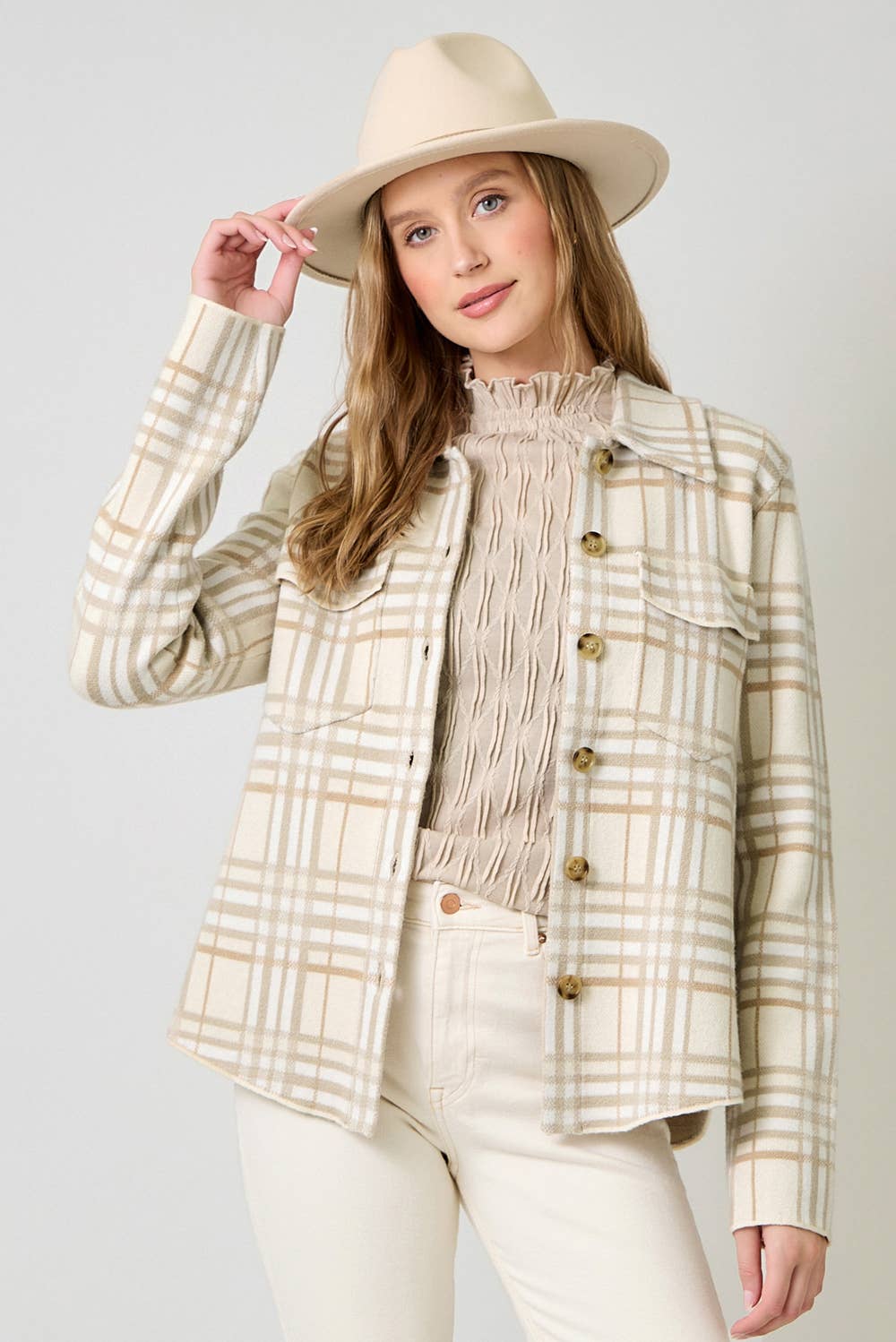
Consider length: shorter vests work well over tops that drain at the hip, while longer vests can cover a longer top or tunic. For a layered, casual look, throw a check-pattern sweater jacket over a tee and wear an unbuttoned vest on top, or use the sweater jacket itself as a midlayer under a sleeved outerpiece when you need one more layer.
Balance textures and patterns for everyday polish
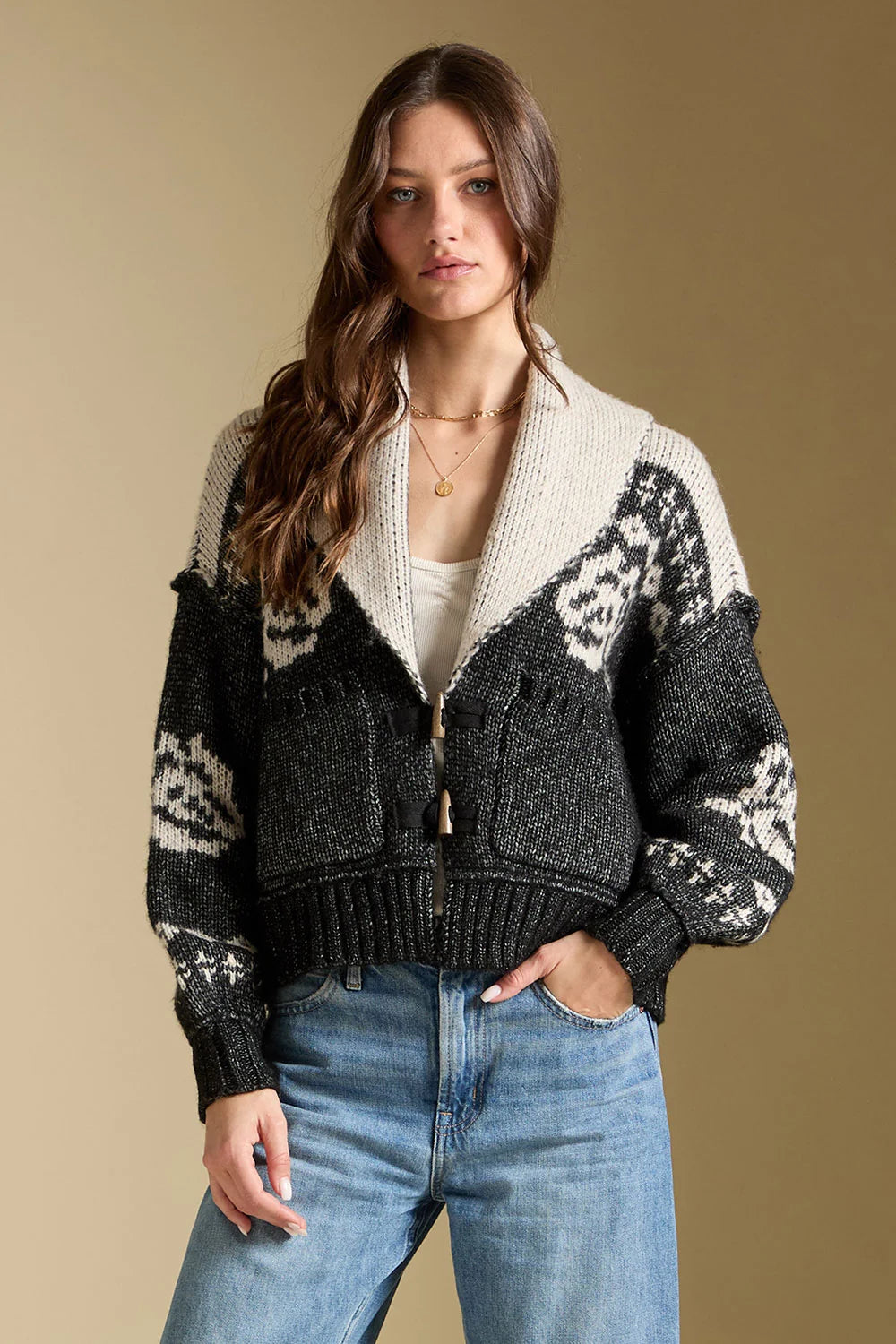
Mixing textures keeps your outfit interesting without effort. Pair a smooth cotton tee with a quilted or puffer vest for contrast, or wear a knitted vest with denim for a tactile, practical combo. If you’re using a patterned piece, let it be the focal point: a check-pattern sweater jacket in an Oatmeal Mix can sit beneath a solid vest or be worn alone under a lightweight coat when you want pattern without excess fuss.
Keep the rest of the outfit simple — neutral bottoms or clean denim maintain focus on the layered upper half and reduce decision fatigue when you’re short on time.
Adapt to changing weather on errands
Use a vest as your go-between layer when temperatures shift during the day. Start with the vest on for cooler mornings, then shed it and tie it around your waist or drape it over a shoulder if afternoons warm up. A compact quilted vest or a thinner knit vest packs more easily into a tote or grocery bag than a full jacket.
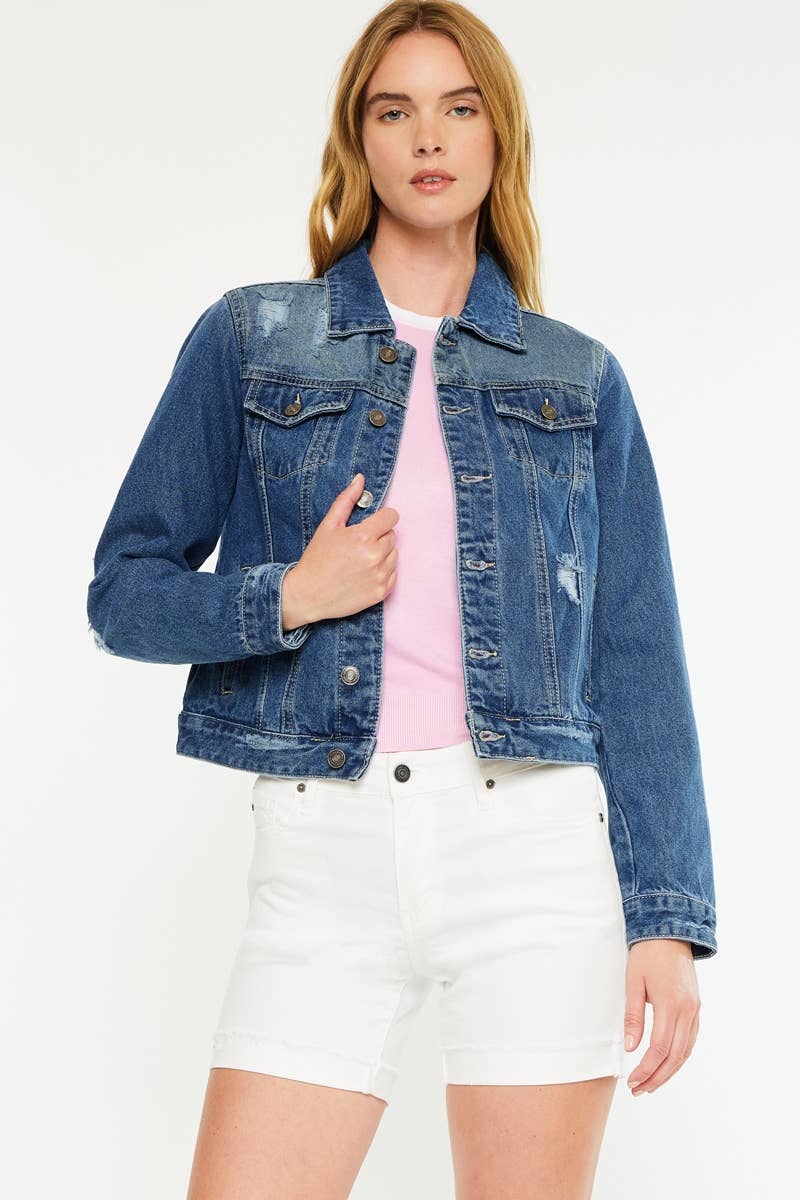
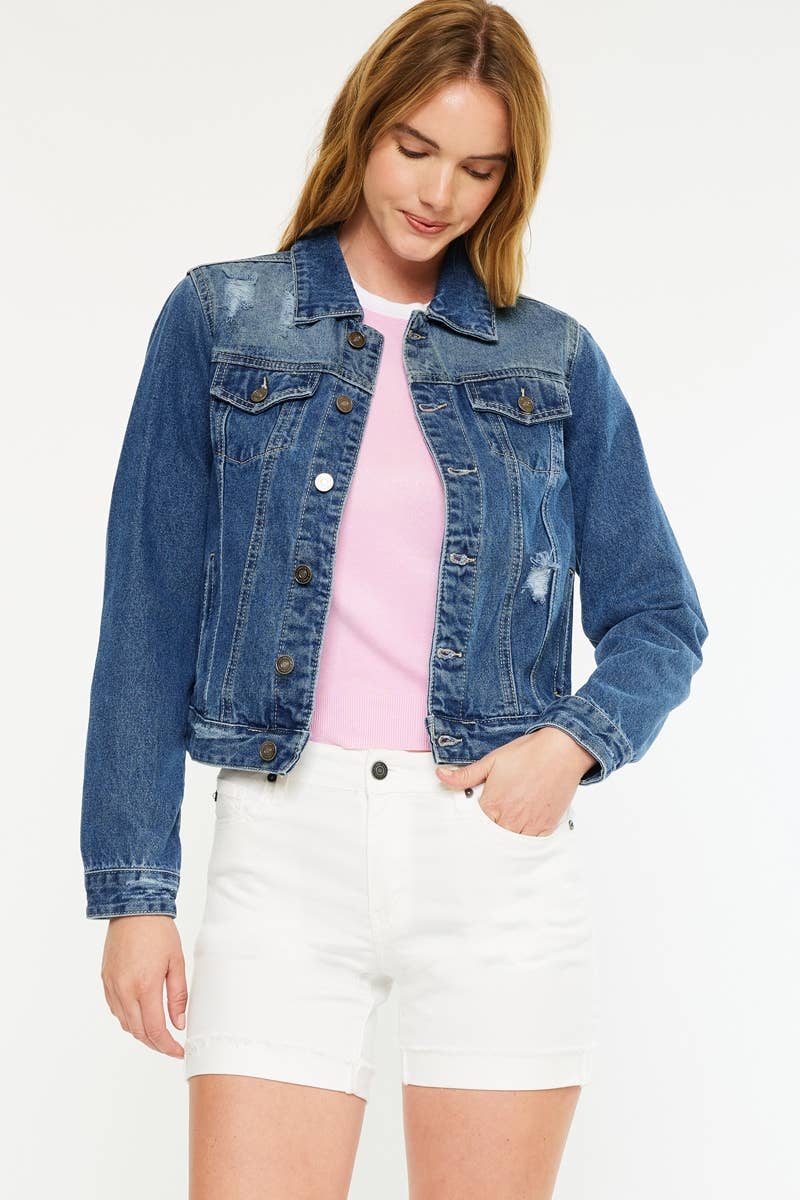
If drizzle or wind is likely, pair your vest with a light outer layer you can remove quickly. Alternatively, swap the vest for a sturdy denim jacket when you want more structure; a dark-wash rigid denim jacket adds protection against breeze and can be layered over hoodies or sweaters for extra warmth.
Practical finishing touches for running errands
Think about pockets and closures: vests with secure zip or snap closures and interior pockets are convenient for phones, keys, and receipts. If you’ll be carrying a lot, wear a crossbody or a small backpack to keep hands free. For mobility, choose sleeveless layers that allow full arm movement — helpful for lifting bags or steering a stroller.
Shoes and accessories should be functional: slip-on sneakers, low boots, or loafers work well with vest layers. Add a lightweight scarf or a hat for quick temperature control, and keep a compact umbrella in your bag if there’s a chance of rain.
Layering a vest for errands is about choosing compatible proportions, mixing textures thoughtfully, and planning for changing weather. With a few reliable vests and easy base layers, you’ll have a practical system that keeps errands simple and comfortable.