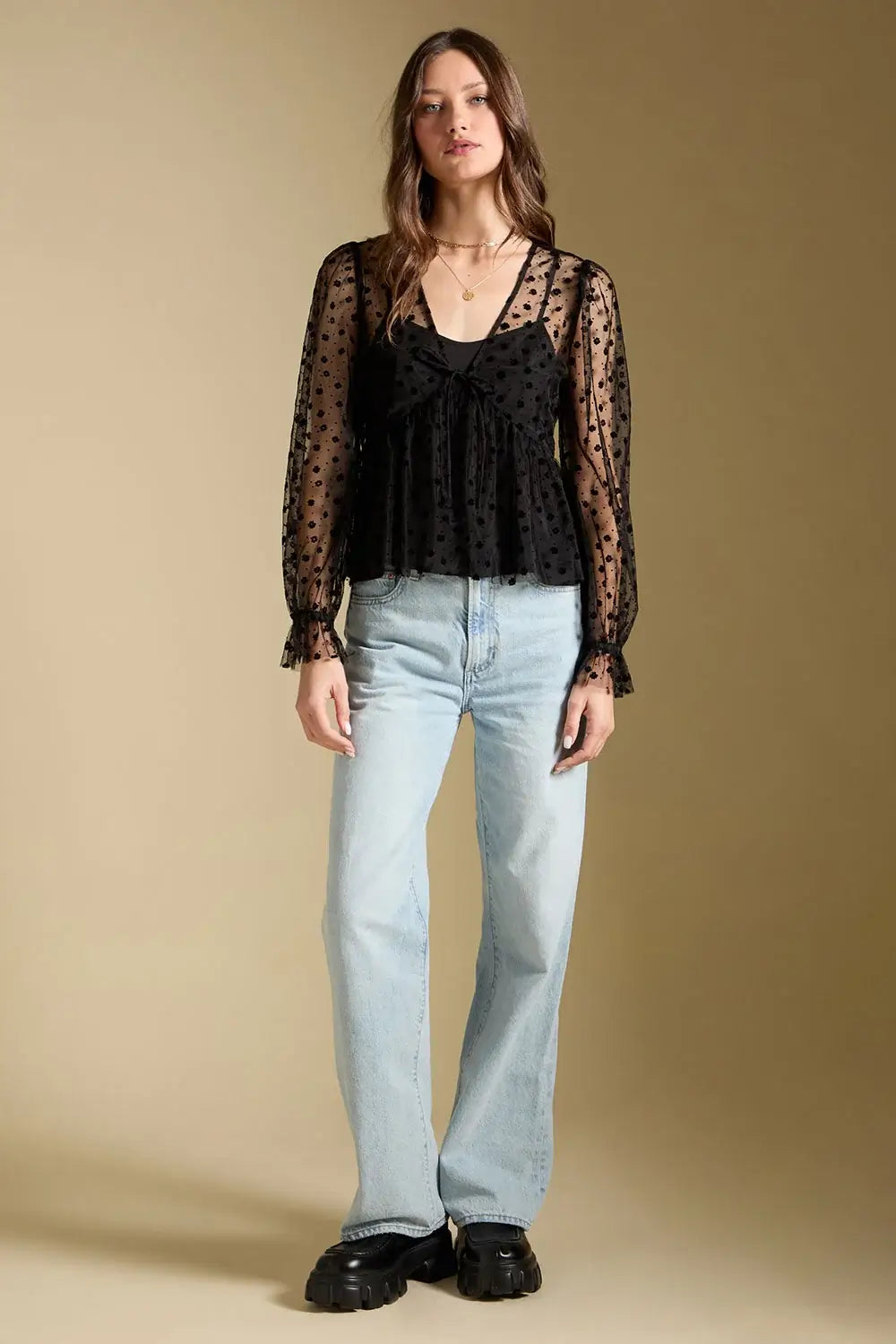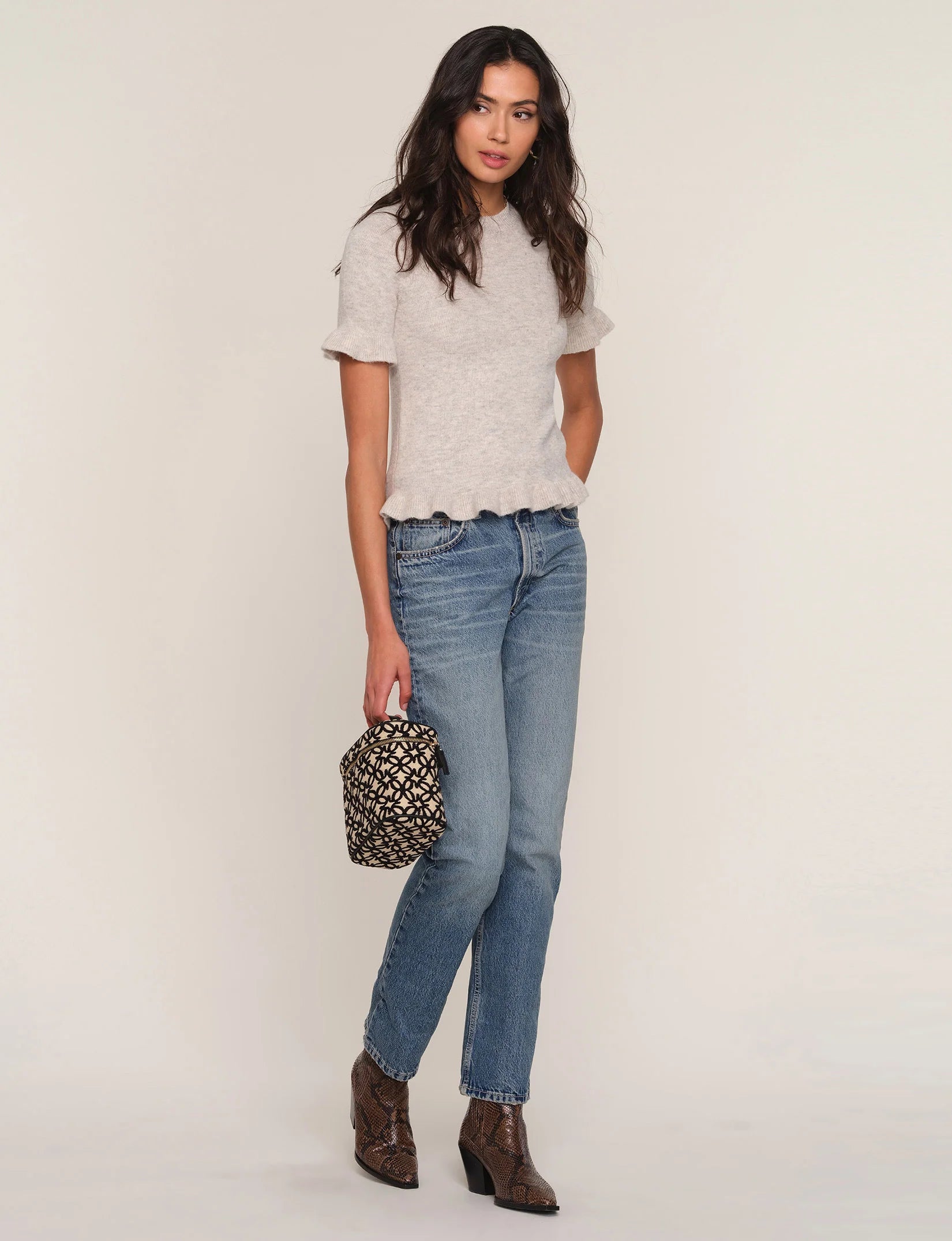
We all have outfits that feel like favorites — comfortable, flattering, and reliable. Instead of replacing them, a few focused adjustments let you wear those pieces in new ways. These ideas emphasize proportion, texture, and small styling moves that shift the mood of an outfit while keeping the pieces you already love.
Change the Proportion
Altering the visible proportions in an outfit changes how it reads. If you usually wear a blouse tucked into high-rise pants, try leaving the front untucked with a single front tuck to create a softer waistline and more casual silhouette. Conversely, if you favor loose tops, define the waist with a slim belt or a lightweight cropped layer to add shape without bulk.
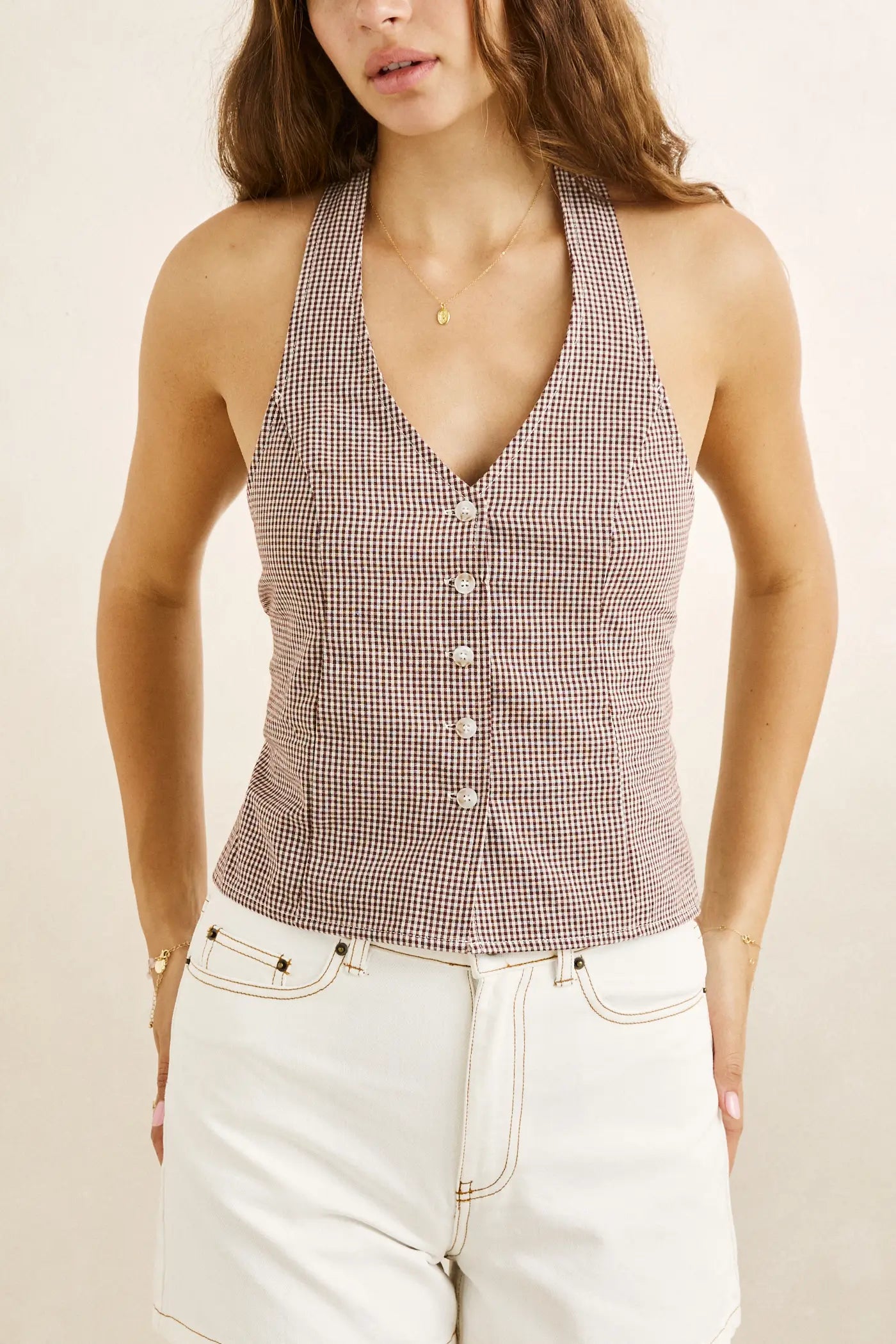
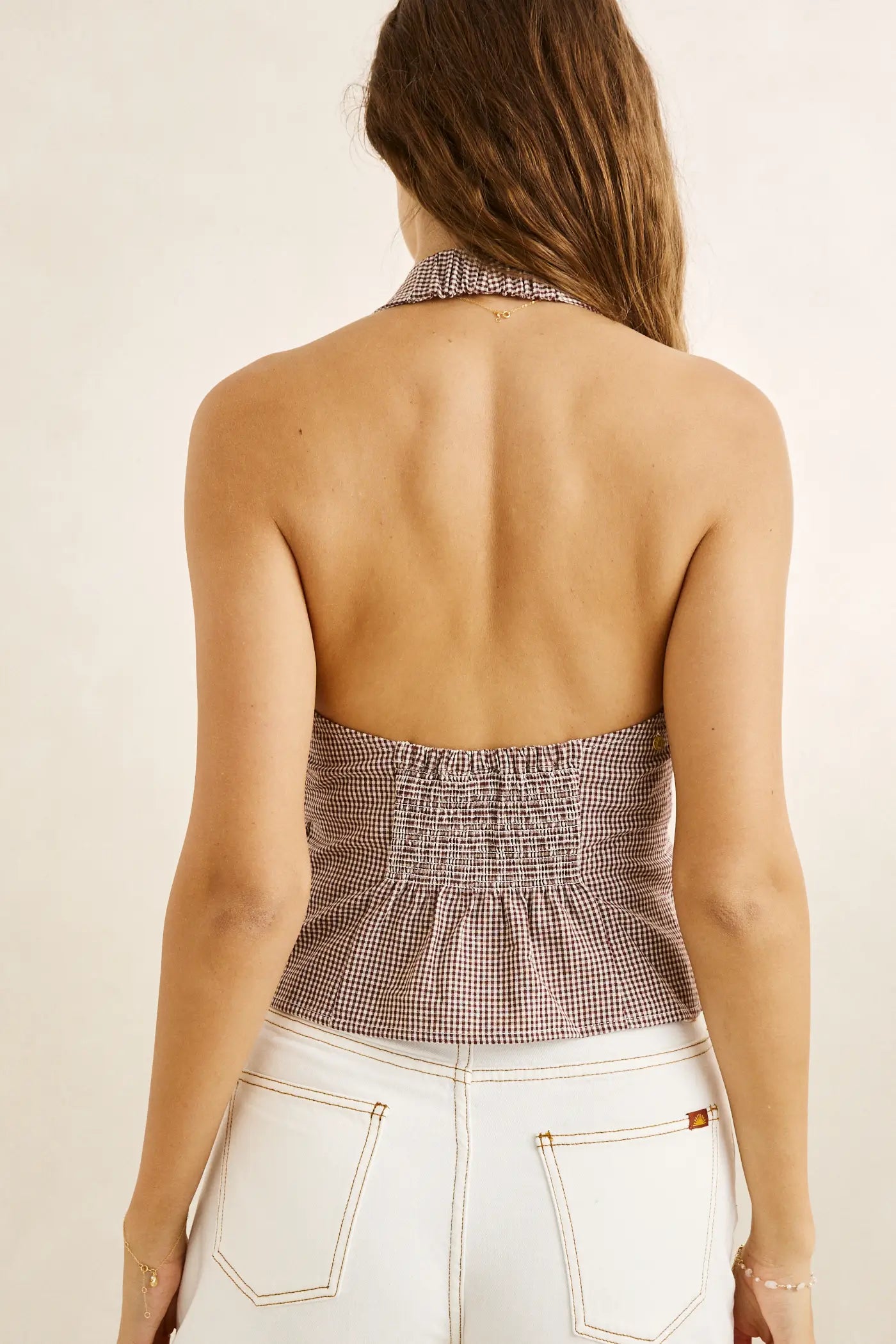
For a cropped top like the Rhythm London Check Halter Top, pair it with a higher-rise bottom to balance the open back and relaxed silhouette. The cropped fit looks intentional when the pants or skirt sit at the natural waist, creating a flattering ratio without altering the top itself.
Swap One Focal Piece
Switching a single element — shoes, outer layer, or bag — can shift the occasion and energy of an outfit. A casual tee plus jeans can read weekend-ready with sneakers, then transition to dinner with heeled sandals and a sleeker clutch. Choose one focal swap, not multiple changes, so the outfit still feels familiar.
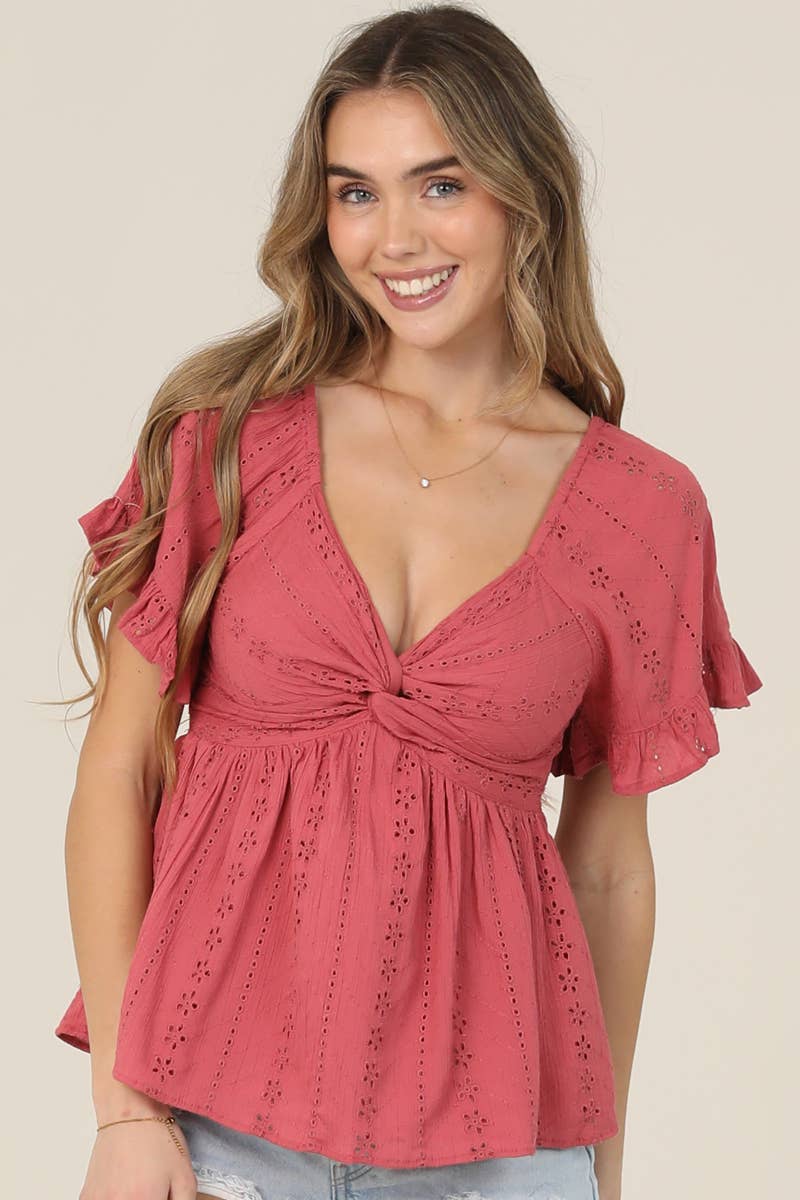
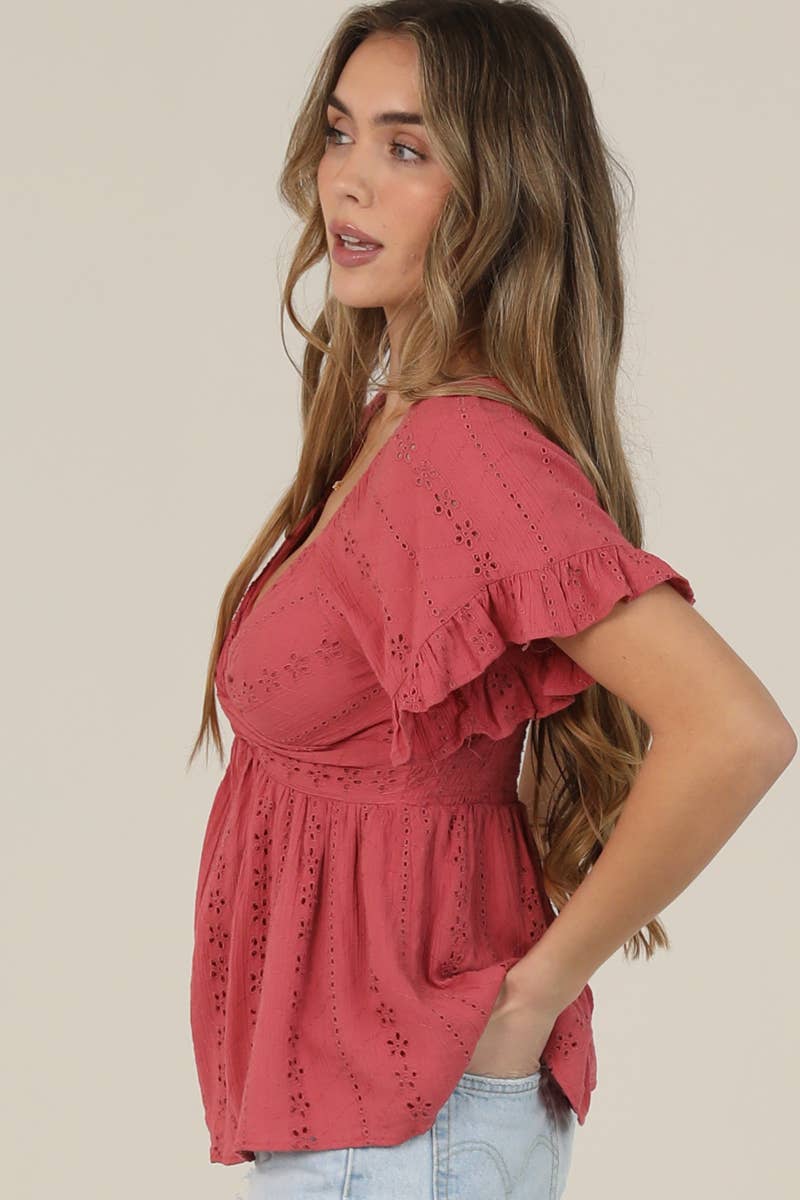
Consider replacing a plain top with a textured or detailed blouse. The Angie Eyelet Embroidered Twist Front Blouse, with its V-neck, eyelet embroidery, and twist front, adds artisan detail that can transform a simple bottom into a more intentional look without changing your core pieces.
Introduce Texture and Layering
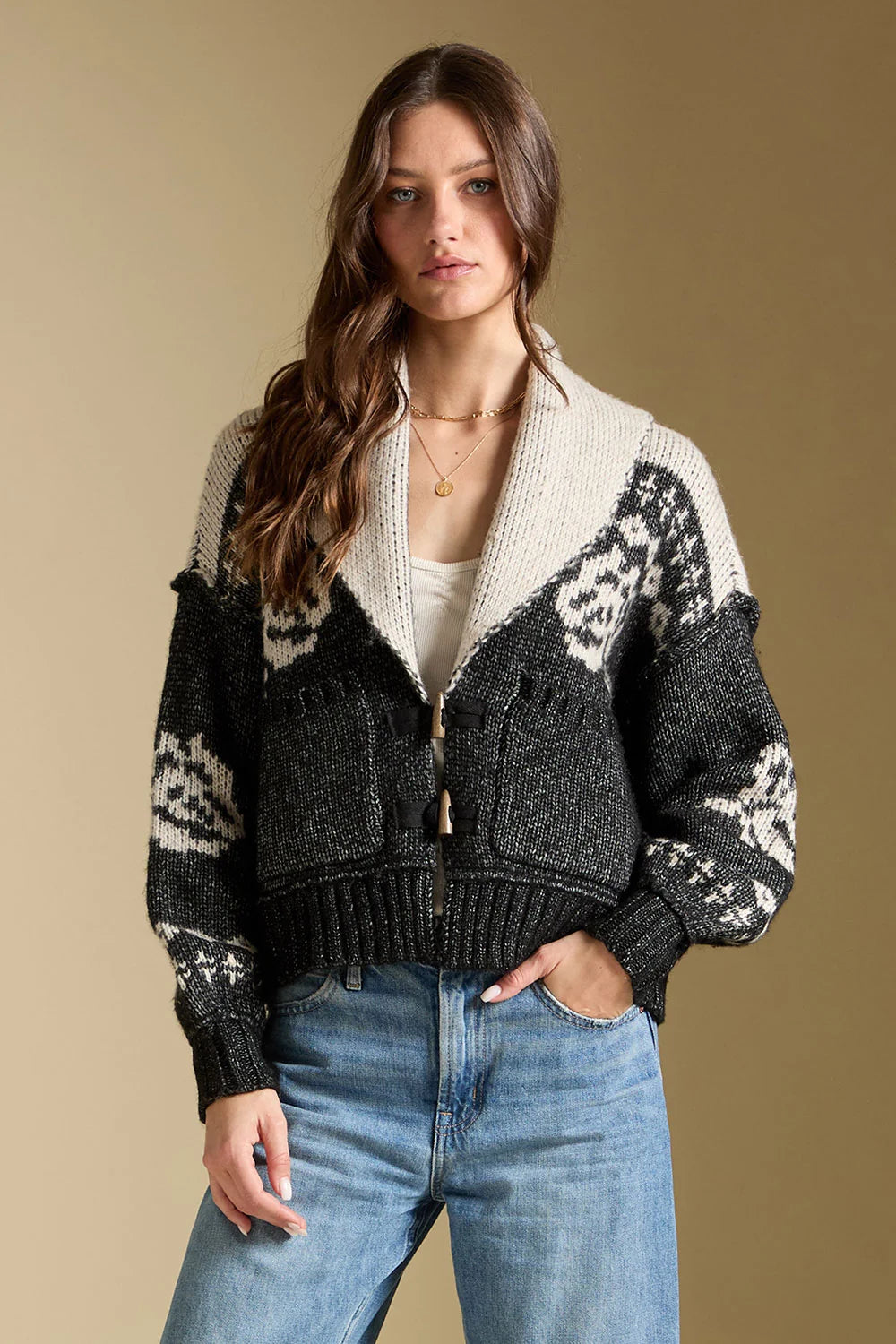
Layering is more than warmth; it’s an opportunity to introduce contrast. A lightweight vest, a linen shirt worn open, or a cropped sweater over a dress changes texture and visual interest. Keep color harmony in mind — a single contrasting texture (smooth vs. embroidered, or crisp woven vs. soft knit) keeps the outfit cohesive.
Think about how a halter or sleeveless top behaves under a structured blazer versus a soft kimono. The same base outfit takes on formal or relaxed cues depending on the outer layer’s weight and shape.
Accessorize with Purpose
Accessories should resolve a styling problem or create an intentional accent. A narrow belt can tidy a billowy top; a silk scarf can fill an open neckline; layered necklaces can complement a V-neck without competing with it. Choose one or two accessories that complement the outfit’s focal point.
Small adjustments to hair, cuff placement, or how you roll sleeves also refresh a look. Roll short sleeves once for a neater line, or pull them slightly to reveal a bracelet. These micro-changes are low-effort but visible, and they help an outfit feel newly arranged rather than repeated.
Refreshing a favorite outfit doesn’t require a wardrobe overhaul. Work with the pieces you have — tweak proportions, swap a focal piece like the Angie blouse or the Rhythm London halter, add a contrasting texture, and refine accessories. The result is a look that feels renewed and unmistakably yours.