Care labels are the instruction manual sewn into your clothes. Reading them helps you avoid shrinking, color loss, and fabric damage. This guide breaks labels into clear parts and shows how to interpret common directions for everyday items.
What the Icons Mean
Care labels typically display five symbol groups: washing, bleaching, drying, ironing, and professional cleaning. A tub icon refers to washing (hand or machine); a triangle covers bleach; a square with a circle indicates tumble drying; an iron shows safe ironing temperatures; and a circle denotes dry cleaning. Look for dots or lines inside icons — they represent temperature settings or gentle cycles.
Symbols override casual advice — if a label shows a hand-wash tub, do not run the garment through a normal wash cycle even if the fabric feels sturdy. Likewise, a crossed-out triangle means no bleach of any kind, including non-chlorine oxygen bleaches.
Read the Text and Fibers Next
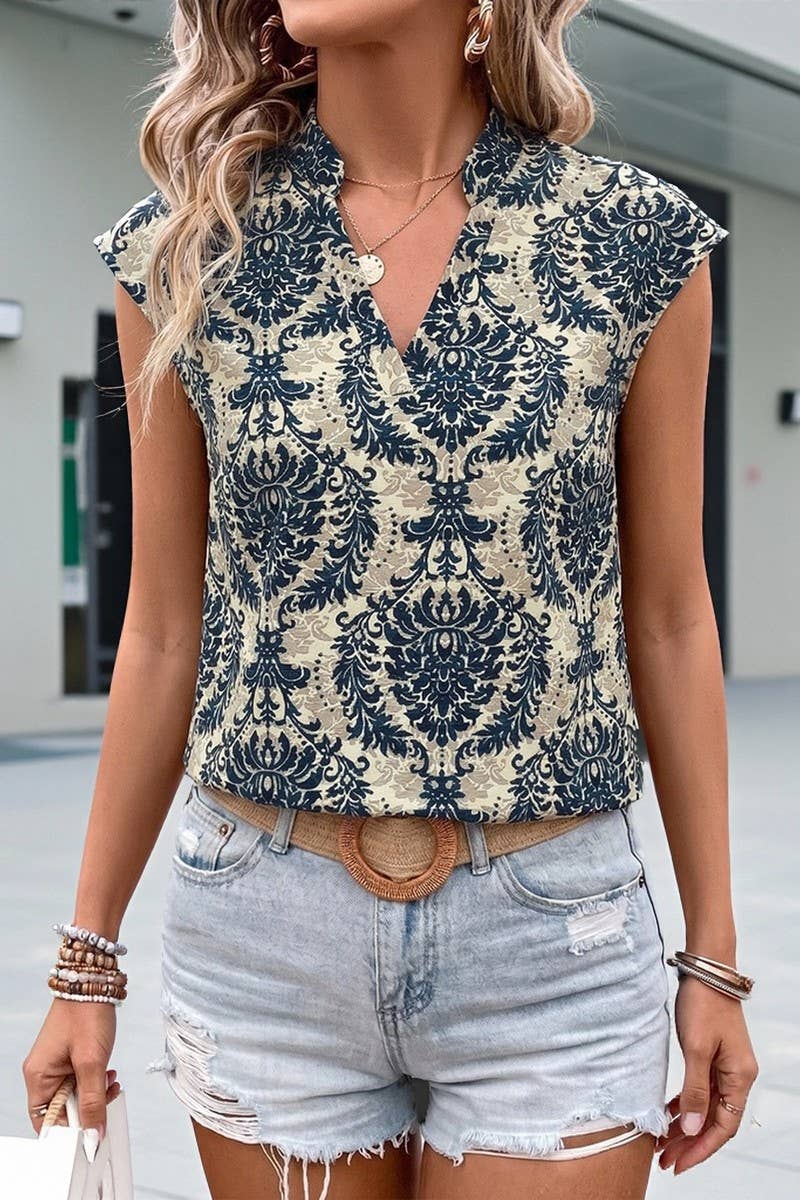
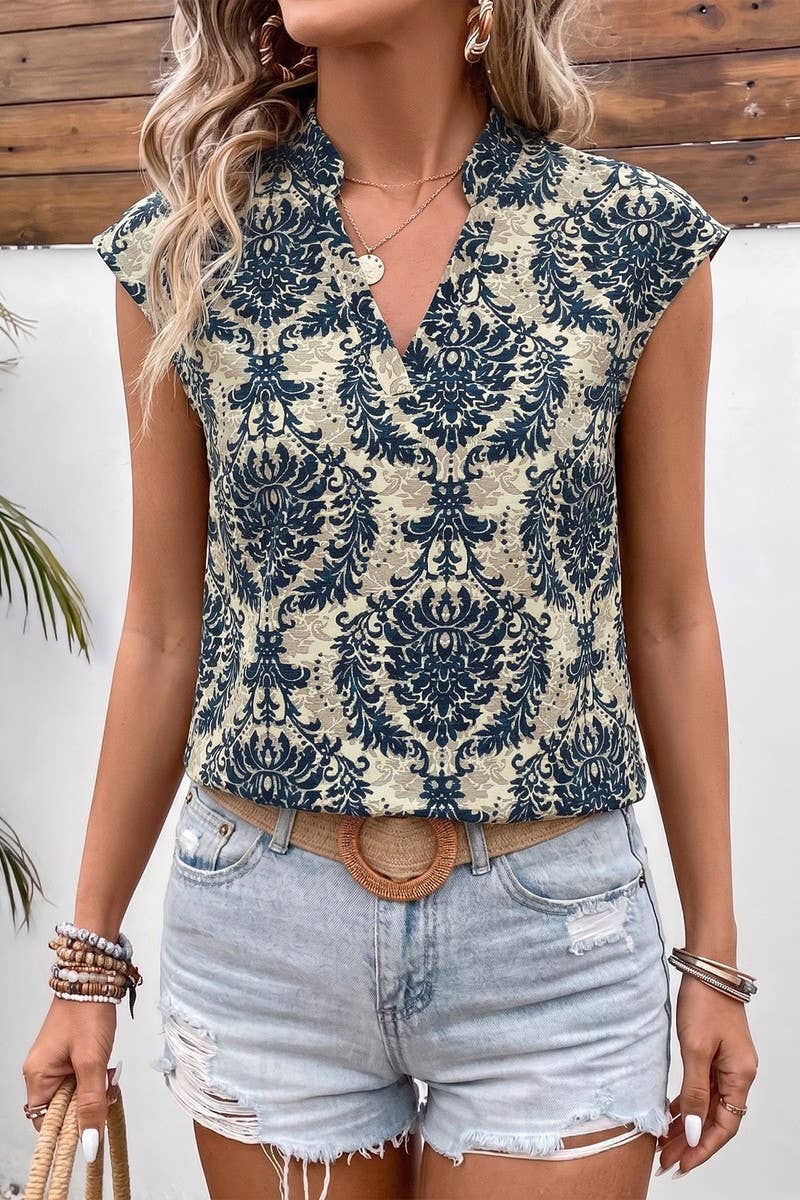
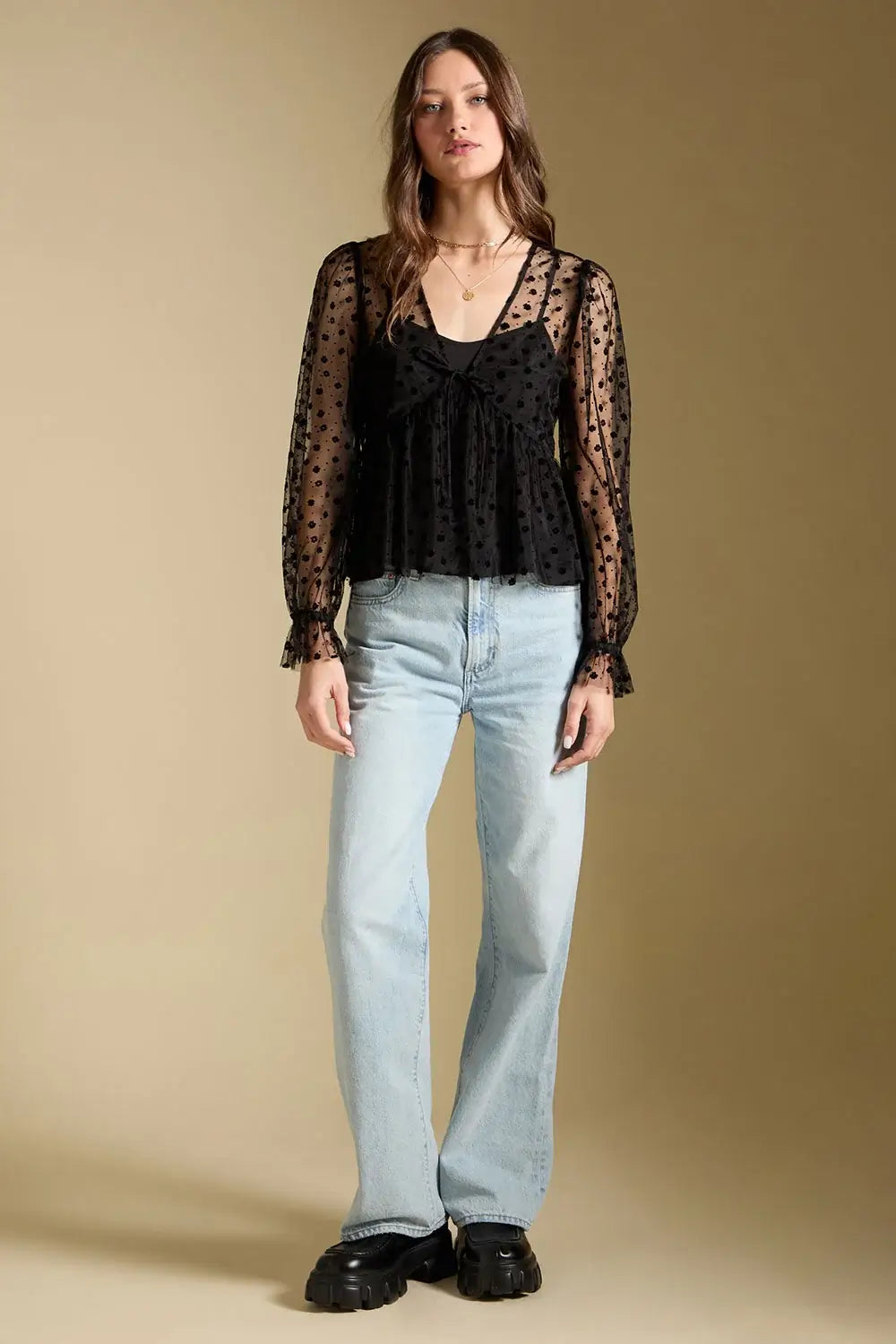
After icons, read the written instructions and fiber content. Fiber percentages tell you how a fabric behaves: high cotton content breathes and can shrink; polyester and elastane add stretch and resist wrinkles. For example, the NINEXIS Retro Print Stand Collar Shirt lists 96% polyester and 4% elastane and even includes care text: 'Machine wash cold, tumble dry low.' That combination suggests it tolerates machine laundering with low heat drying, but you should still follow the label to prevent distressing the print or structure.
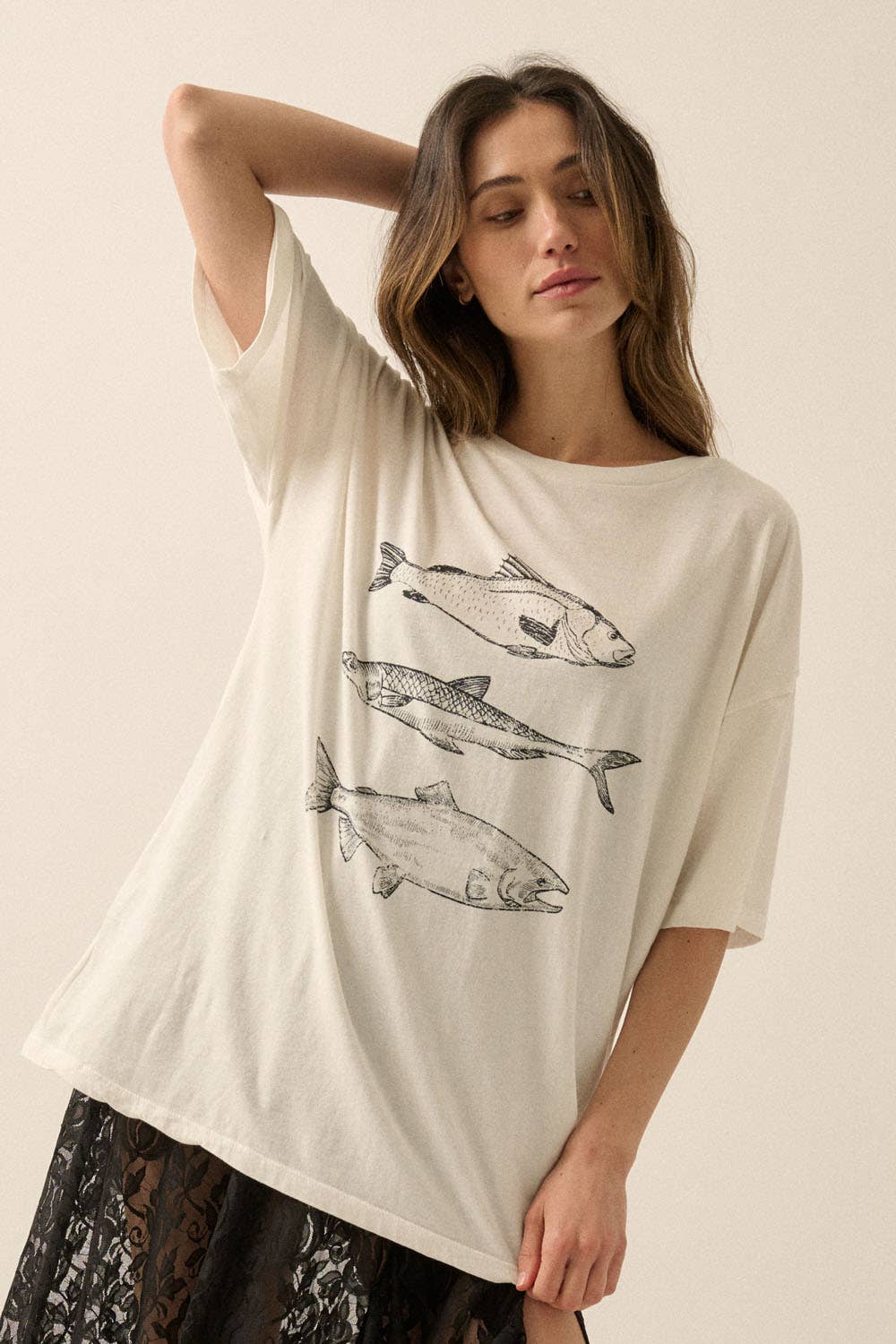
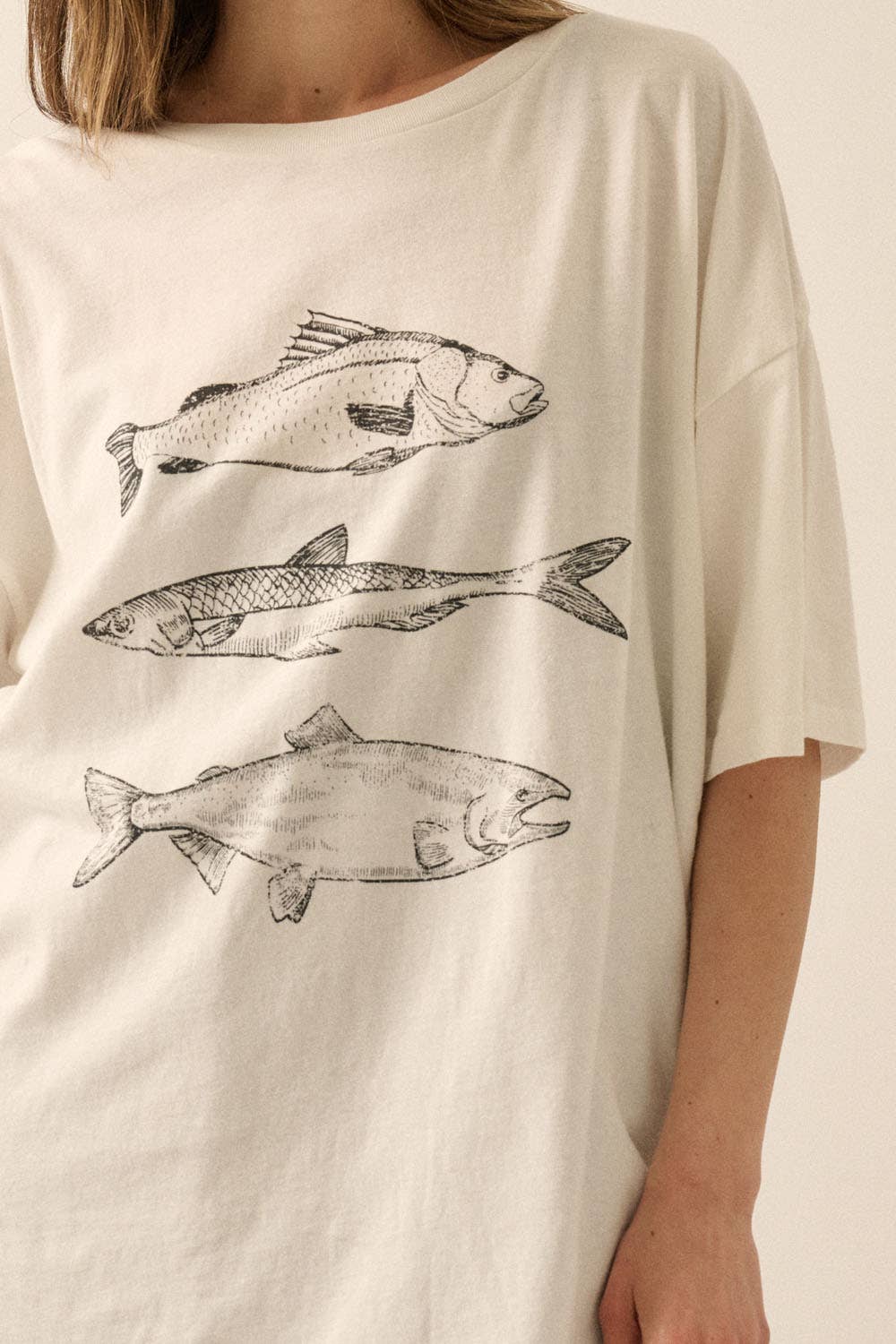
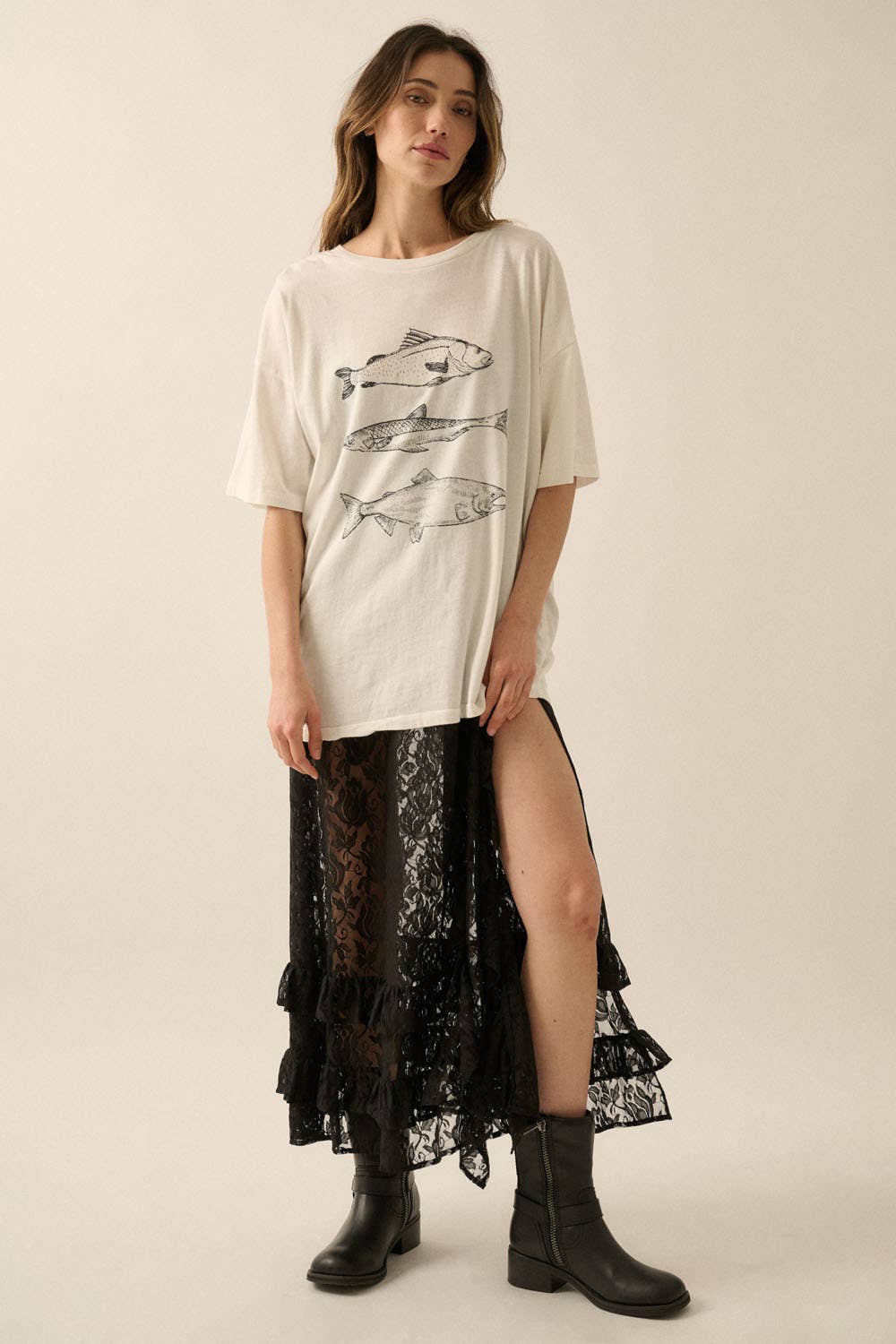
If a garment has special finishes—like 'garment-washed' for a tee—expect a softer hand and possibly more subtle color variation. The Promesa Three Fishes Garment-Washed Oversize Graphic Tee is described as garment-washed cotton; check its sewn-in label for specific wash and drying guidance before assuming it can be treated the same as a plain cotton tee.
When Professional Care Is Recommended
A circle with letter codes (P, F) or the words 'Dry clean only' indicate professional cleaning. Dry cleaning preserves structure, finishes, or delicate trims that home washing could damage. If you see a circle with a line underneath, that usually means 'gentle' or 'reduced agitation' during professional cleaning.
Even garments with mostly washable fibers sometimes benefit from professional care if they're heavily structured, have intricate construction, or are labeled accordingly. When in doubt, follow the label — it reflects the maker’s recommended safe treatment for that exact construction.
Practical Tips for Following Labels
Always follow the sewn-in care label first. Treat label instructions as specific to that garment’s materials and construction rather than applying a one-size-fits-all rule. Use mesh wash bags for delicate shapes, close zippers and buttons to avoid abrasion, and avoid overloading the machine so recommended cycles work as intended.
If you plan to alter a garment or apply any finish (dyeing, stain treatment, pressing at high heat), re-check the label. For items like printed tees or polyester-blend blouses, test any spot treatment on an inconspicuous seam area if the label permits home washing. When the label lists both icons and text that differ, follow the more specific instruction (usually the text).
Care labels give you the exact instructions designed for a garment’s fibers and construction. Read the icons and text, note the fiber content, and follow professional-care recommendations when present — doing so will help your clothes look better and last longer.