Olive green moves easily between utilitarian and refined, pairing well with warm neutrals, cool contrasts, and richer accents. This guide helps you select colors, fabrics, and silhouettes that make olive the central, cohesive thread of your wardrobe.
Choose the right olive and nearby neutrals
Olive ranges from yellow-leaning khaki to deep, muted forest green. Start by identifying the undertone of the olive pieces you already own—warmer olives pair best with camel, rust, and warm ivory; cooler olives work with slate gray, navy, and charcoal. Keep the palette limited to two or three closely related neutrals so olive stays the focus rather than getting lost among competing tones.
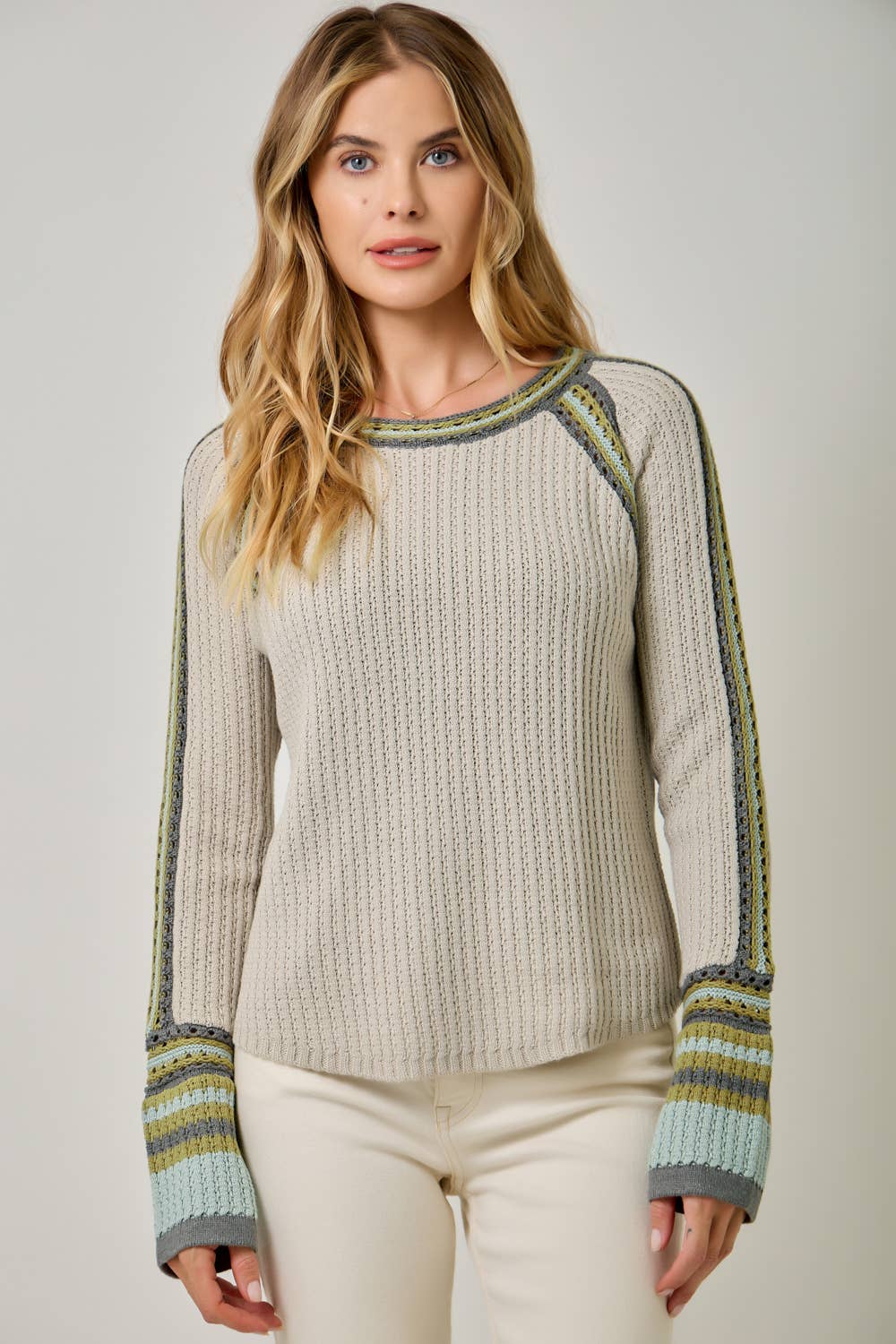
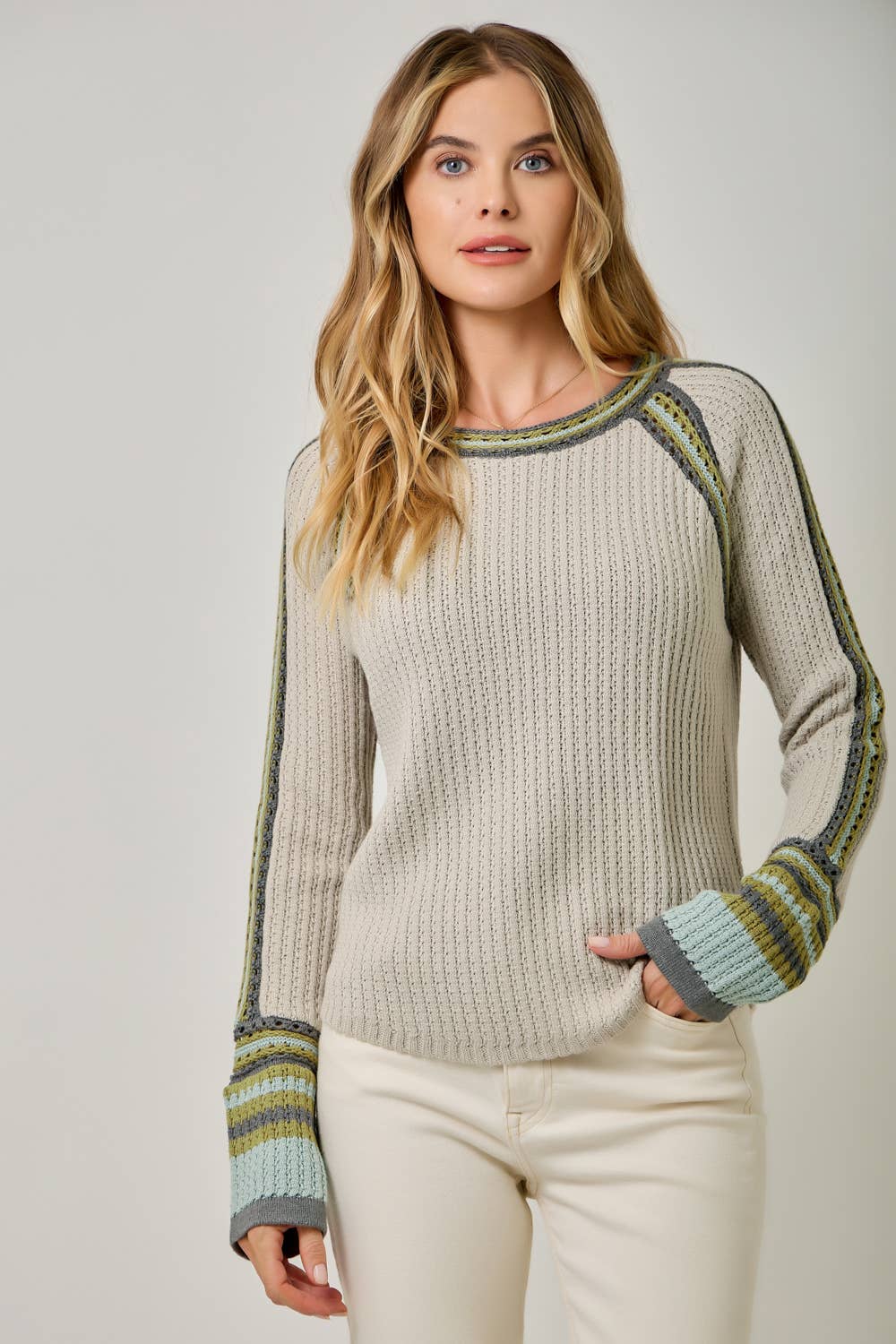
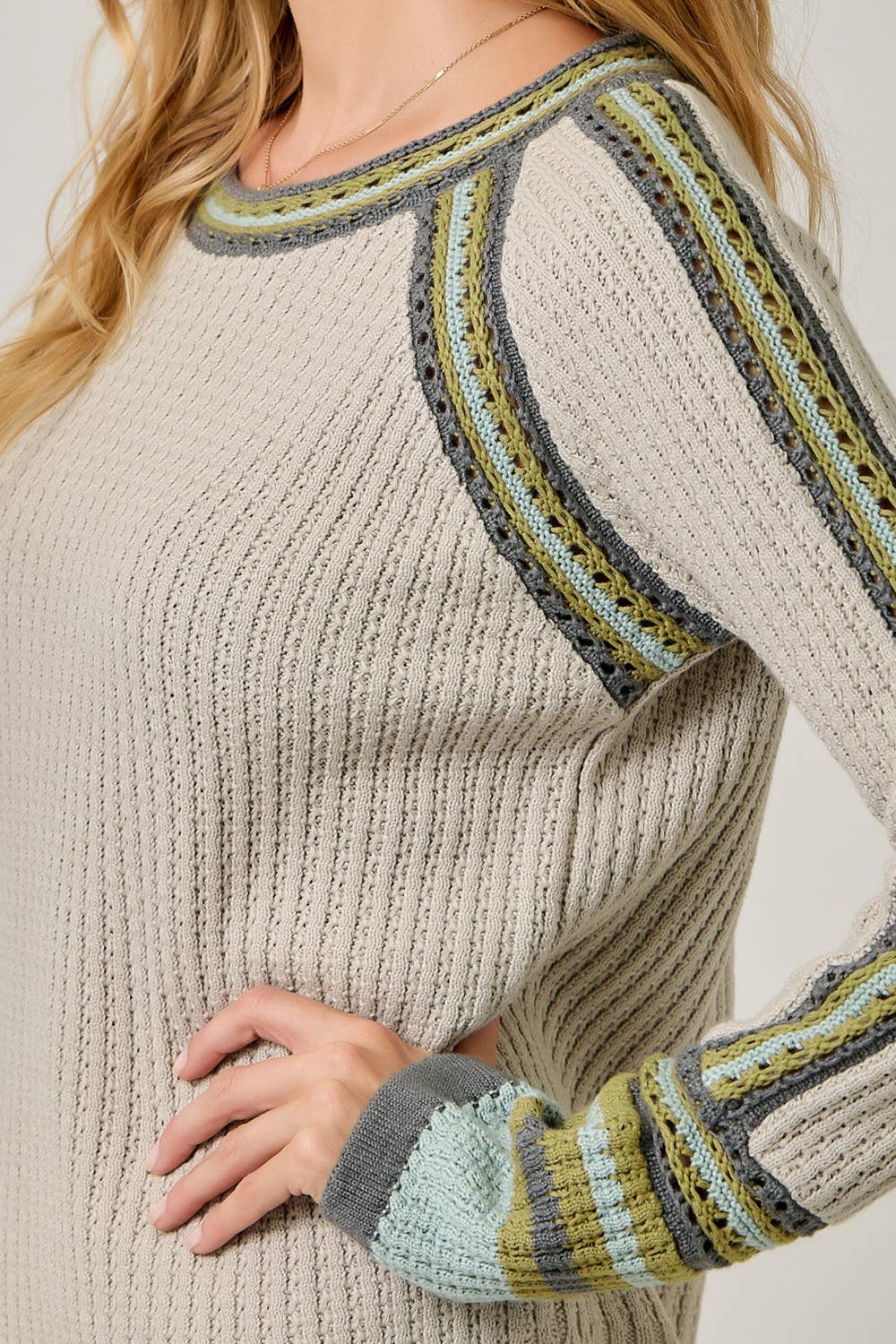
Use a soft neutral like the Stone of a striped raglan-sleeve sweater top to anchor casual looks. The sweater’s neutral round neckline and relaxed hi-low hem let olive items read as the statement without clashing; pair it with olive trousers for tonal layering or with an olive jacket to emphasize depth.
Layer with contrasting textures, not more colors
When building outfits around olive, texture creates interest without introducing new hues. Break up a head-to-toe olive outfit with textures such as knits, suede, crisp cotton, or lightweight technical fabrics. For example, a soft melange knit cardigan worn over an olive dress or top provides contrast in surface and weight while keeping color harmony.
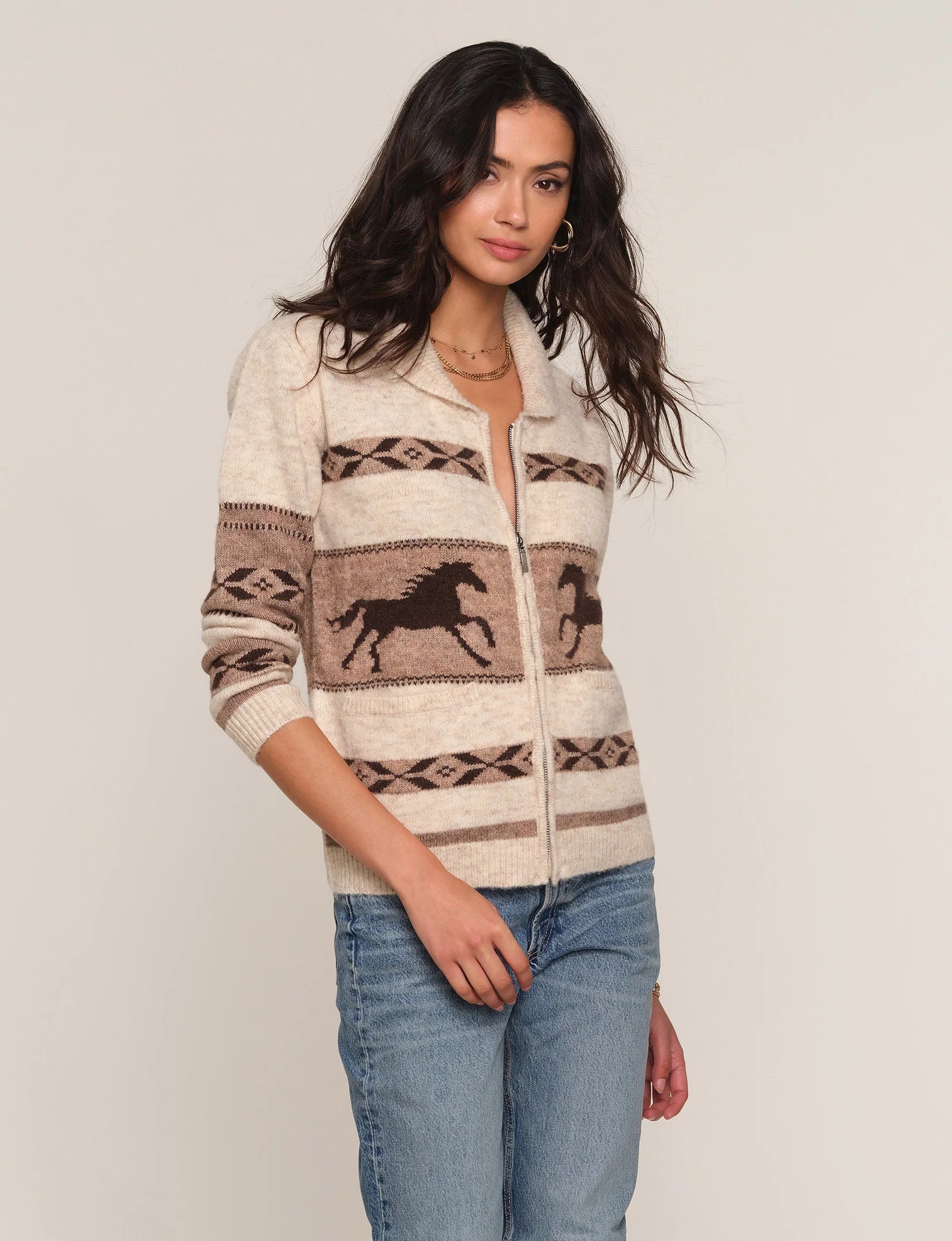
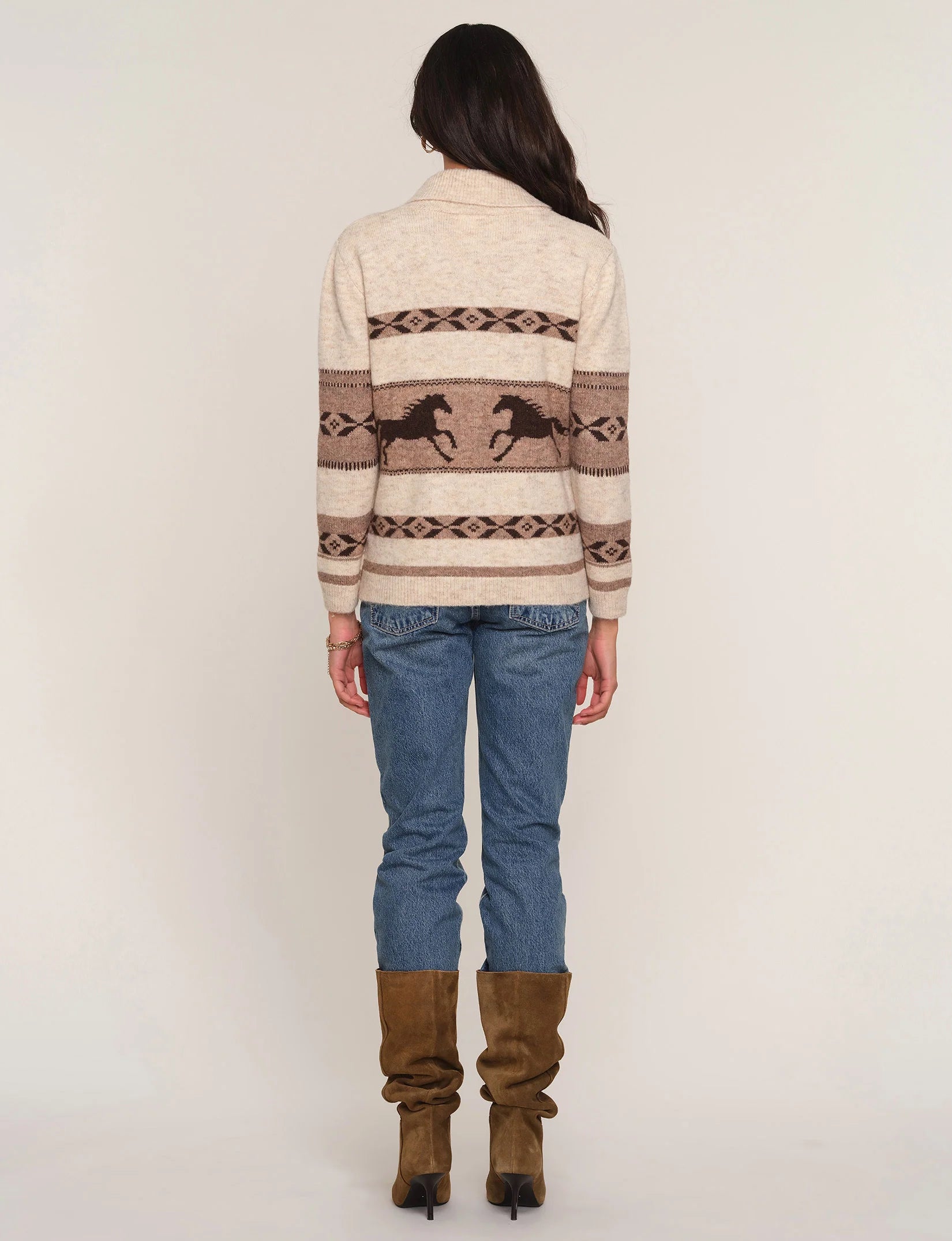
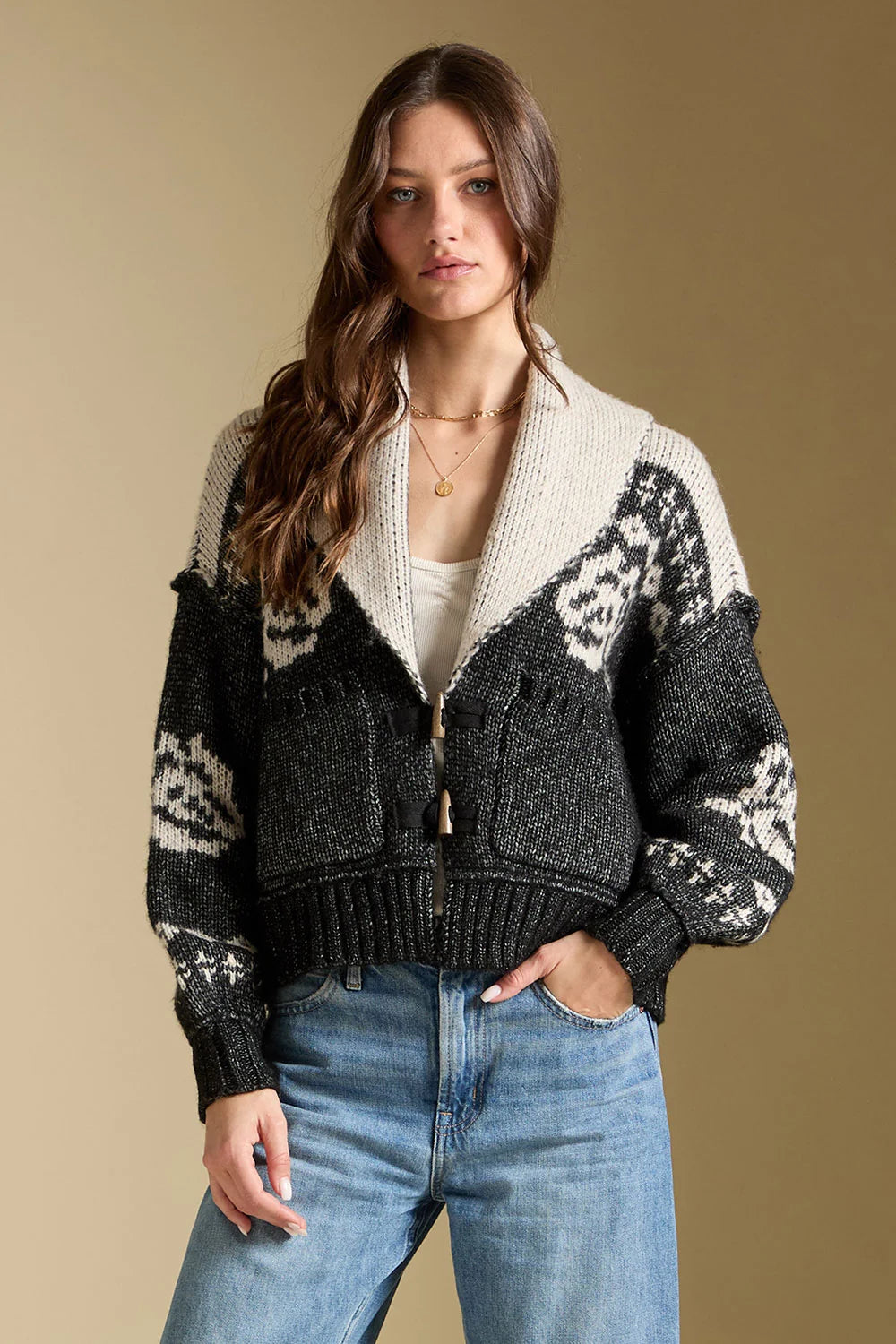
A cardigan like the Heartloom Elian in Oat—soft melange yarn with a shawl neck and relaxed fit—is a practical layering piece. Worn over an olive blouse, its jacquard pattern and muted ivory tone add visual depth and a subtle western-inspired detail that complements olive’s heritage aesthetic.
Add small accent colors strategically
Introduce one or two accent colors to enliven olive outfits without overpowering them. Rust, mustard, burgundy, and deep teal each bring a distinctive mood: rust and mustard feel autumnal and warm; burgundy and teal read richer and a touch dressier. Use accents in accessories—belts, scarves, shoes, or a knit hat—so they remain intentional and easy to swap.
If you prefer more restrained looks, metallic accents in brass or muted gold harmonize with olive’s earthy quality. Keep patterns minimal when using brighter accents to avoid visual competition with olive’s subtlety.
Silhouettes and pieces to prioritize
Prioritize wardrobe building blocks that layer well: a light jacket or anorak for structure, midweight sweater options for transitional days, and tailored trousers or a straight skirt in olive for polish. Choose fits that suit your lifestyle—a relaxed olive utility jacket works differently than a fitted olive pencil skirt, so select both if you need versatility.
Focus on at least one neutral knitted layer (like the relaxed, sportily striped Mystree raglan sweater top in Stone) and one soft, zip-front cardi (such as the Heartloom Elian in Oat) that can live with olive pieces. These two garment types cover casual to smart-casual needs and simplify outfit assembly while showcasing olive as the anchor color.
Thinking of olive as the central color simplifies choices: match undertones, use texture to diversify, introduce one or two accents, and keep a few reliable layered pieces on hand. With a focused palette and considered fabrics, olive becomes a flexible, stylish foundation.