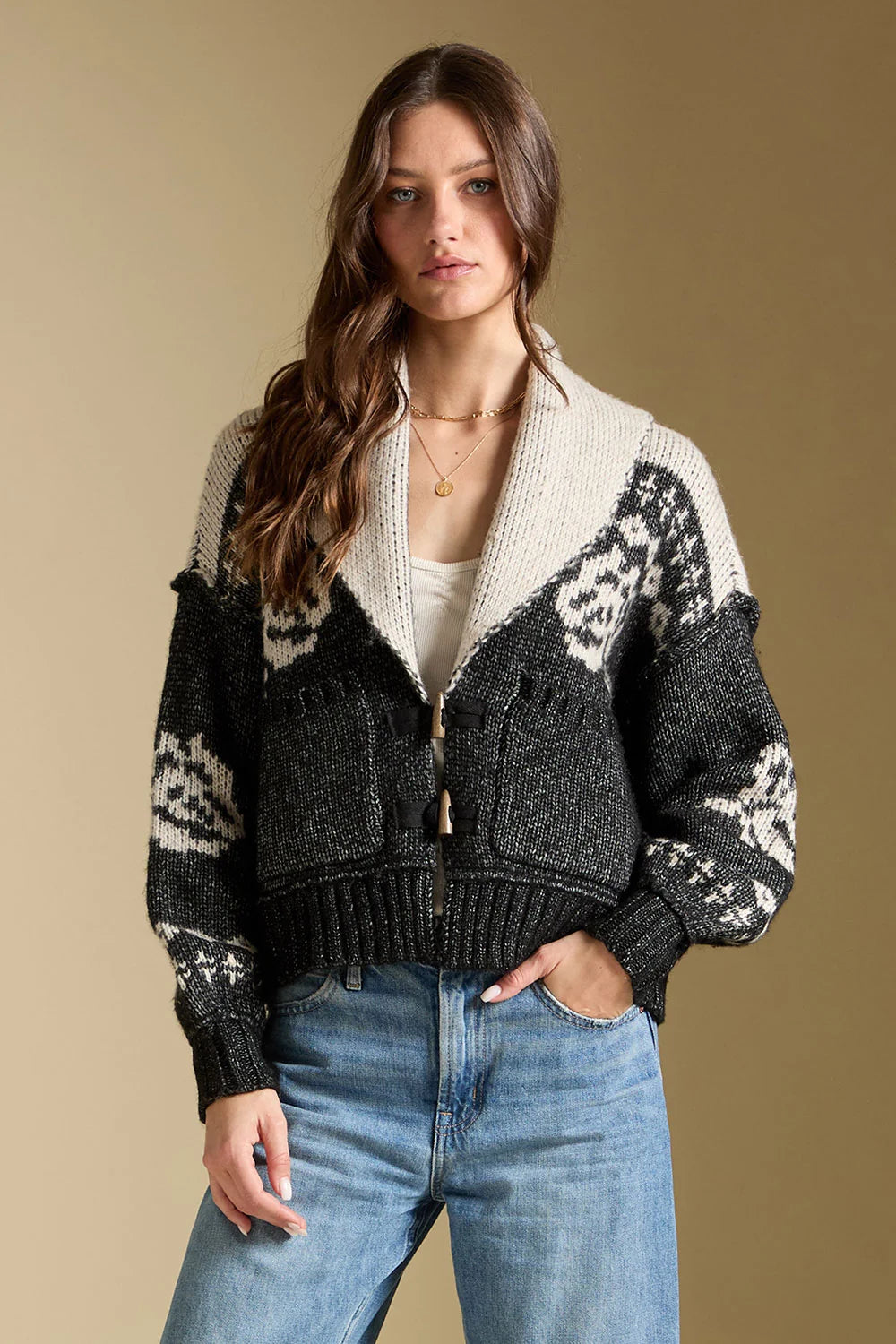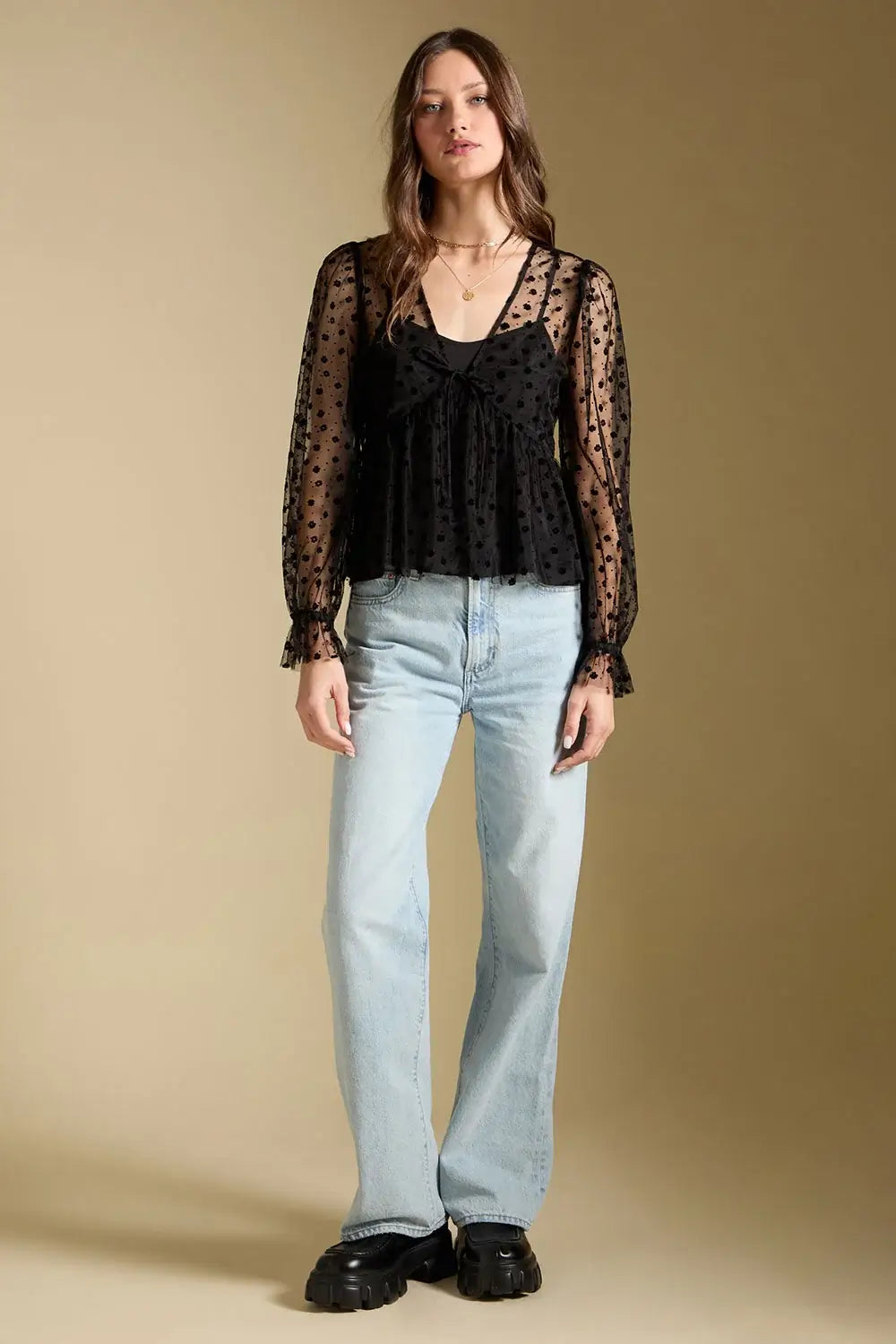
Statement sleeves — whether voluminous, ruffled, or dramatically ballooned — draw attention to the upper body and can transform a simple outfit into something memorable. Balancing them is about proportion, texture, and thoughtful pairing so the look feels intentional rather than top-heavy.
1. Mind the silhouette proportions
Start by assessing how much volume the sleeve introduces. If a sleeve is wide at the shoulder or wrist, counterbalance with a more fitted shape elsewhere. For example, wear a statement sleeve with a fitted knit top beneath a jacket or with streamlined bottoms to avoid doubling bulk.
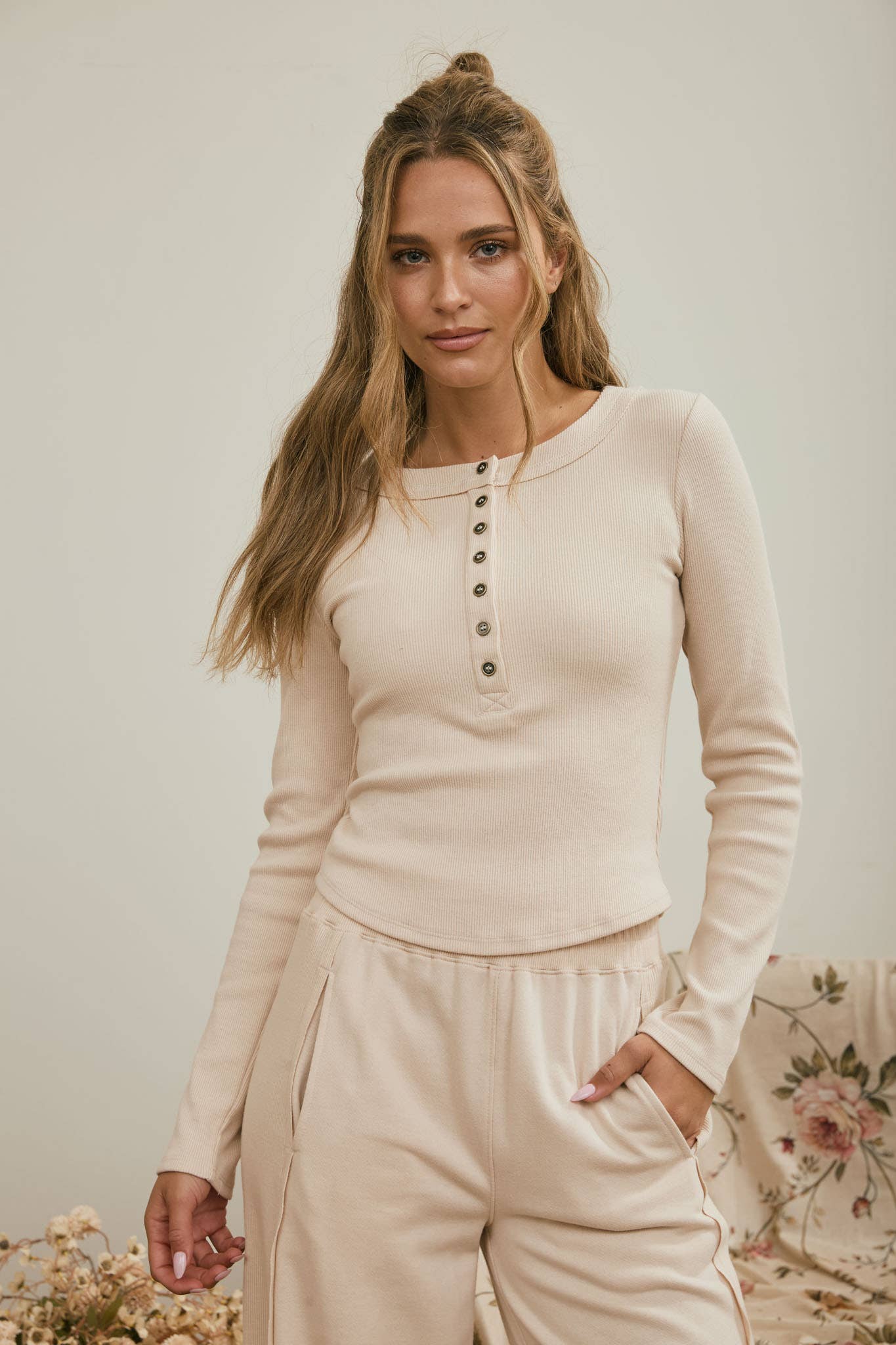
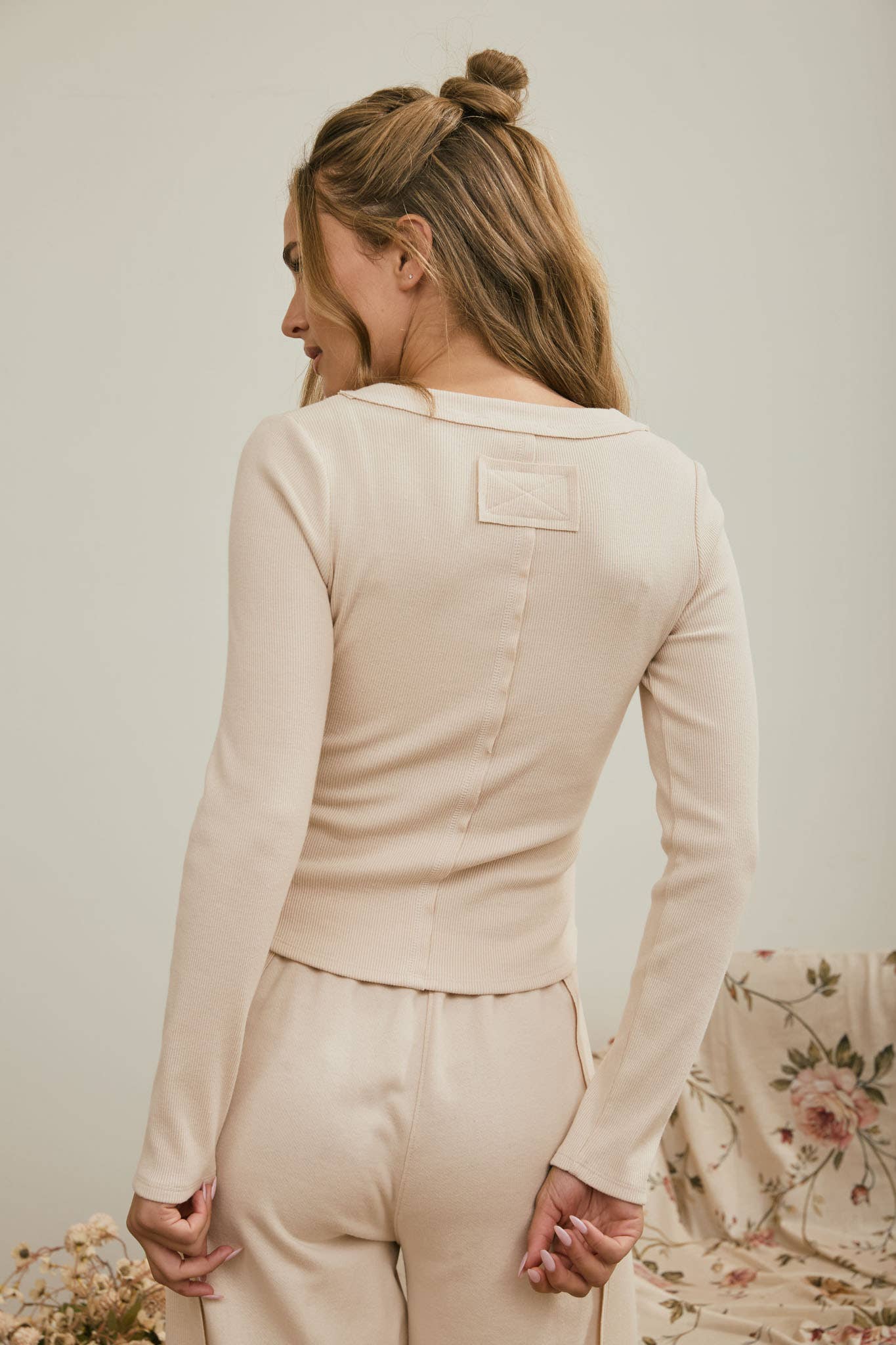
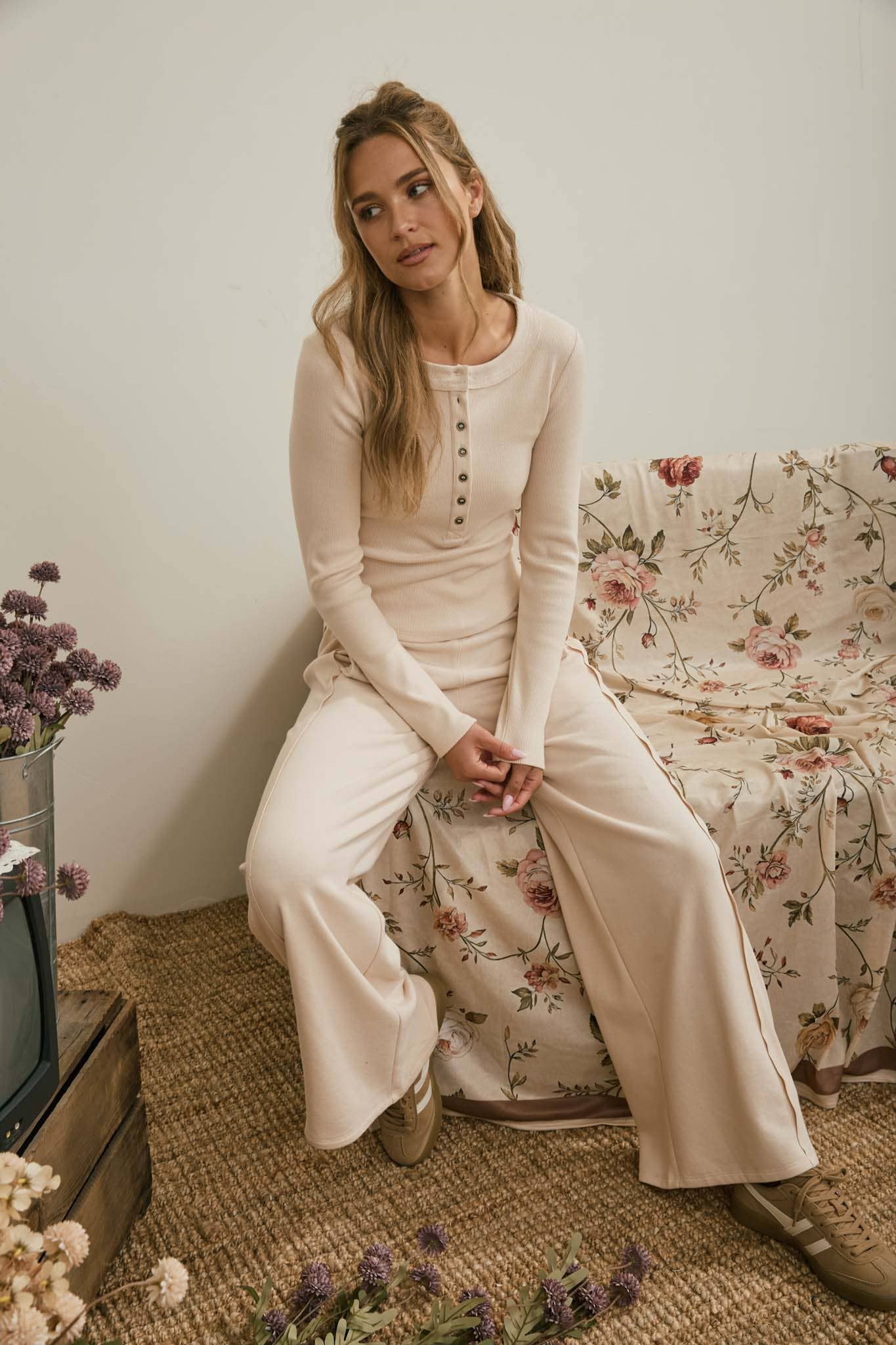
A fitted ribbed knit, like the Blu Pepper Fitted Long Sleeve Ribbed Henley, offers a slim silhouette and long sleeves that sit close to the arm — use this kind of fitted layer under an open-sleeved piece to preserve clean lines and keep attention on the sleeve detail.
2. Anchor with simple, structured pieces
Structured garments help ground a playful sleeve. A tailored blazer, a straight-leg trouser, or a pencil skirt introduces a linear element that contrasts well with volume. Keep closures neat — a single-breasted jacket or a clean waistband maintains a composed frame.
Textures matter: smooth, medium-weight fabrics hold their shape and provide a visual counterpoint to airy, gathered sleeves. If you prefer a softer palette, choose one structured item to act as the anchor rather than matching two soft pieces that could blur the outfit’s focus.
3. Scale accessories and necklines thoughtfully
Neckline choice can make or break balance. A higher or modest neckline keeps the eye on sleeve details without competing with them; low or ornate necklines risk cluttering the look. For jewelry, prefer small-to-medium pieces—delicate hoops or a short pendant—so accessories don’t fight the sleeve.
When selecting a bag, use proportion to your advantage. Compact crossbodies or slim top-handle bags maintain a tidy silhouette; oversized totes add visual weight and can compete with exaggerated sleeves.
4. Consider fabric interplay and layering
Mixing fabrics that contrast in weight and texture clarifies each element’s role. Pair a voluminous, lightweight sleeve with denser knits or smooth woven bottoms so the sleeve reads as accent rather than the entire outfit.
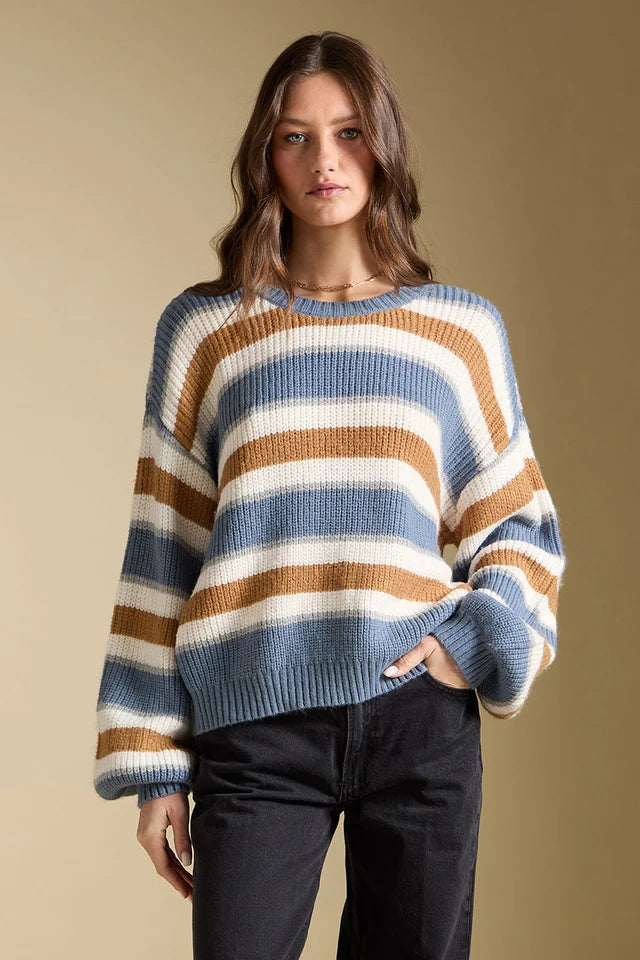
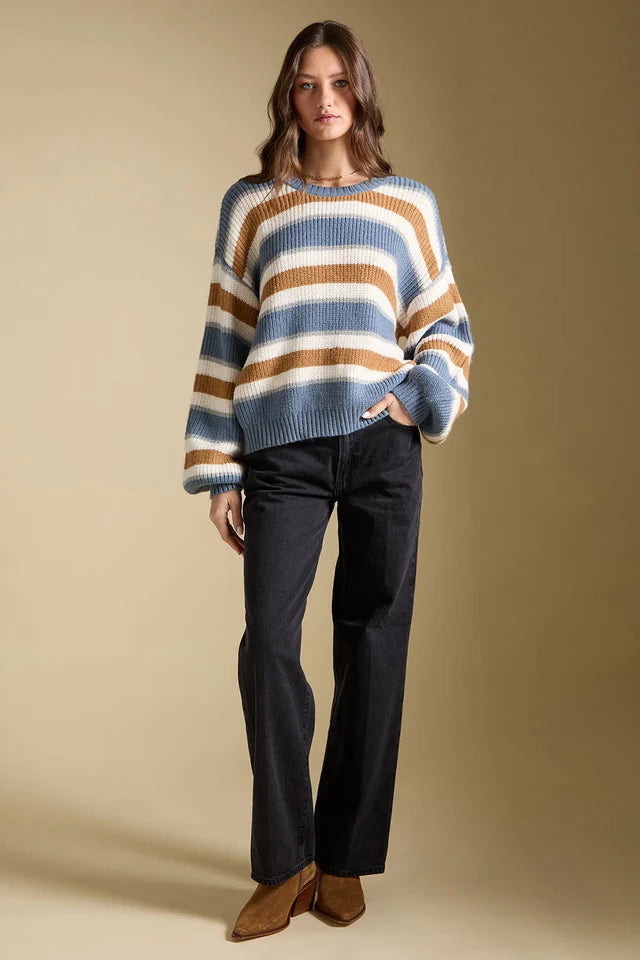
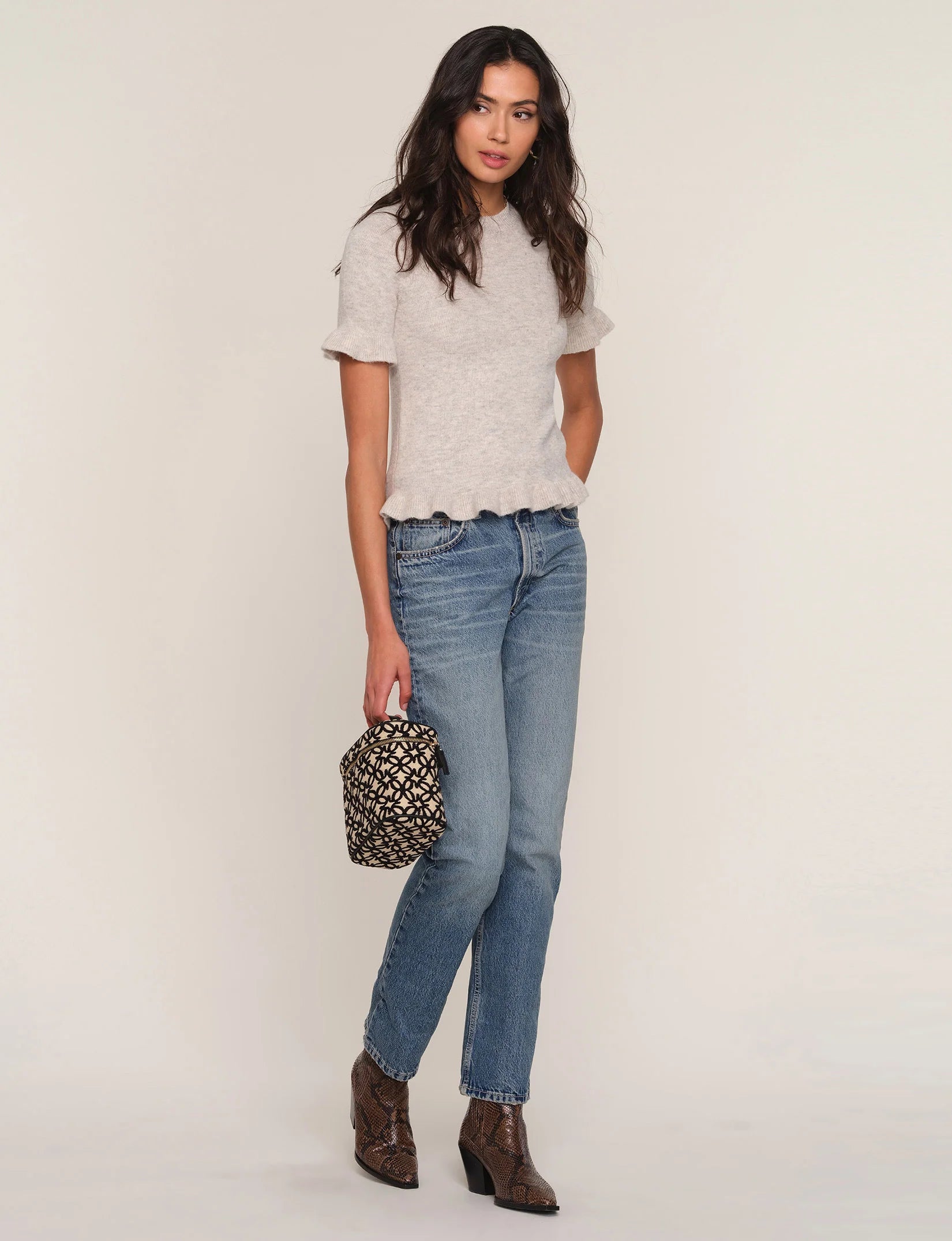
A sweater like the Saltwater Luxe Mimi Sweater — with a smooth drape and medium-weight knit — can sit comfortably against a sleeve detail that isn’t overly bulky. Alternately, if the sleeve itself is knit and roomy, layer a sleek outer piece or keep the rest of the outfit minimal to avoid competing textures.
Balancing a statement sleeve is a small practice in restraint: choose one or two complementary elements—fit, structure, or texture—to support the sleeve, and let that detail define your look. With a few intentional choices, statement sleeves become a flattering focal point rather than a styling challenge.