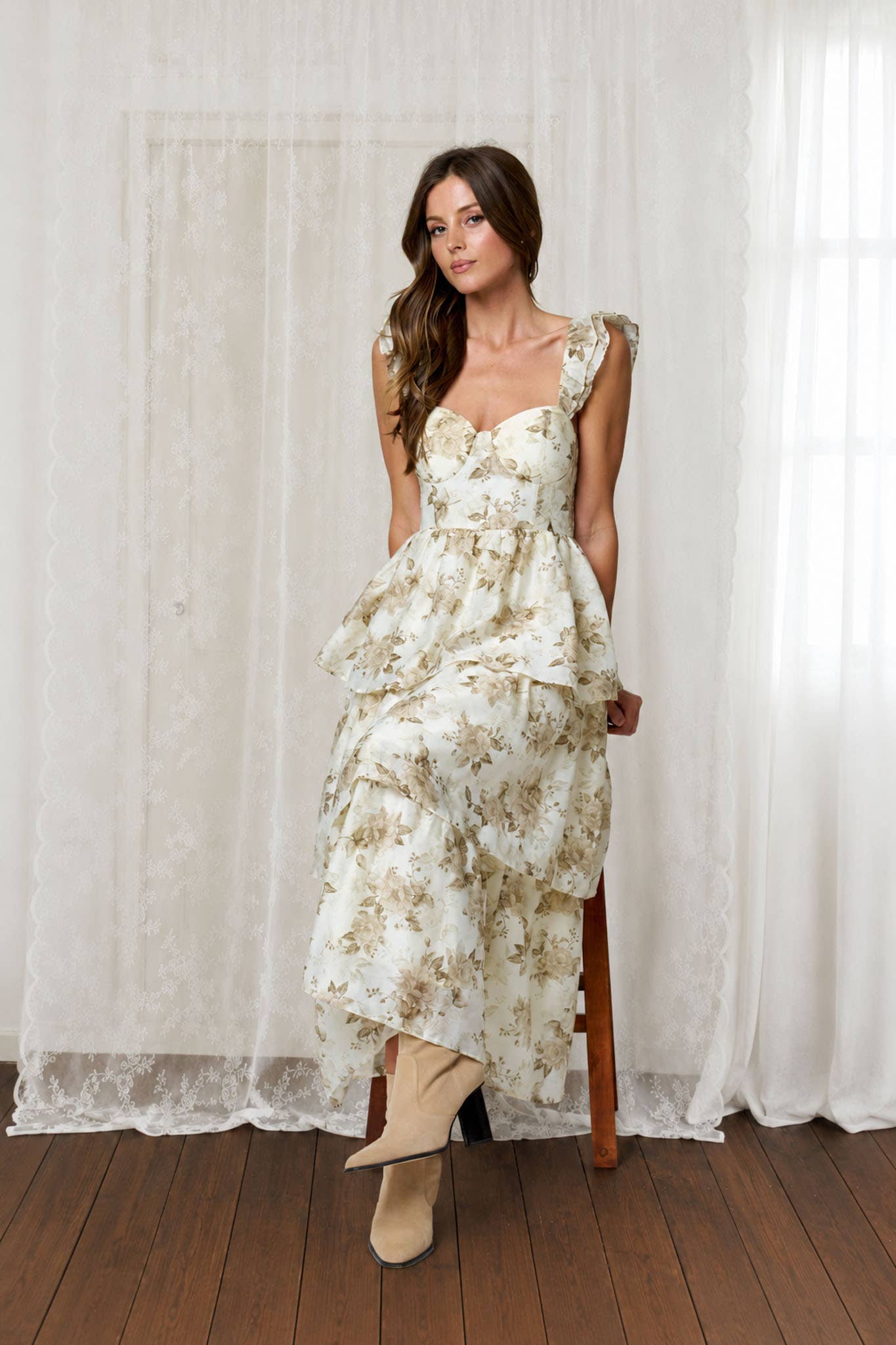
Florals often get boxed into spring, but with small adjustments they can work well across seasons. This piece shows practical ways to adapt floral prints and floral-adjacent shapes so you can wear them from warm spells into cooler months without feeling out of place.
Read the print and treat it like a color
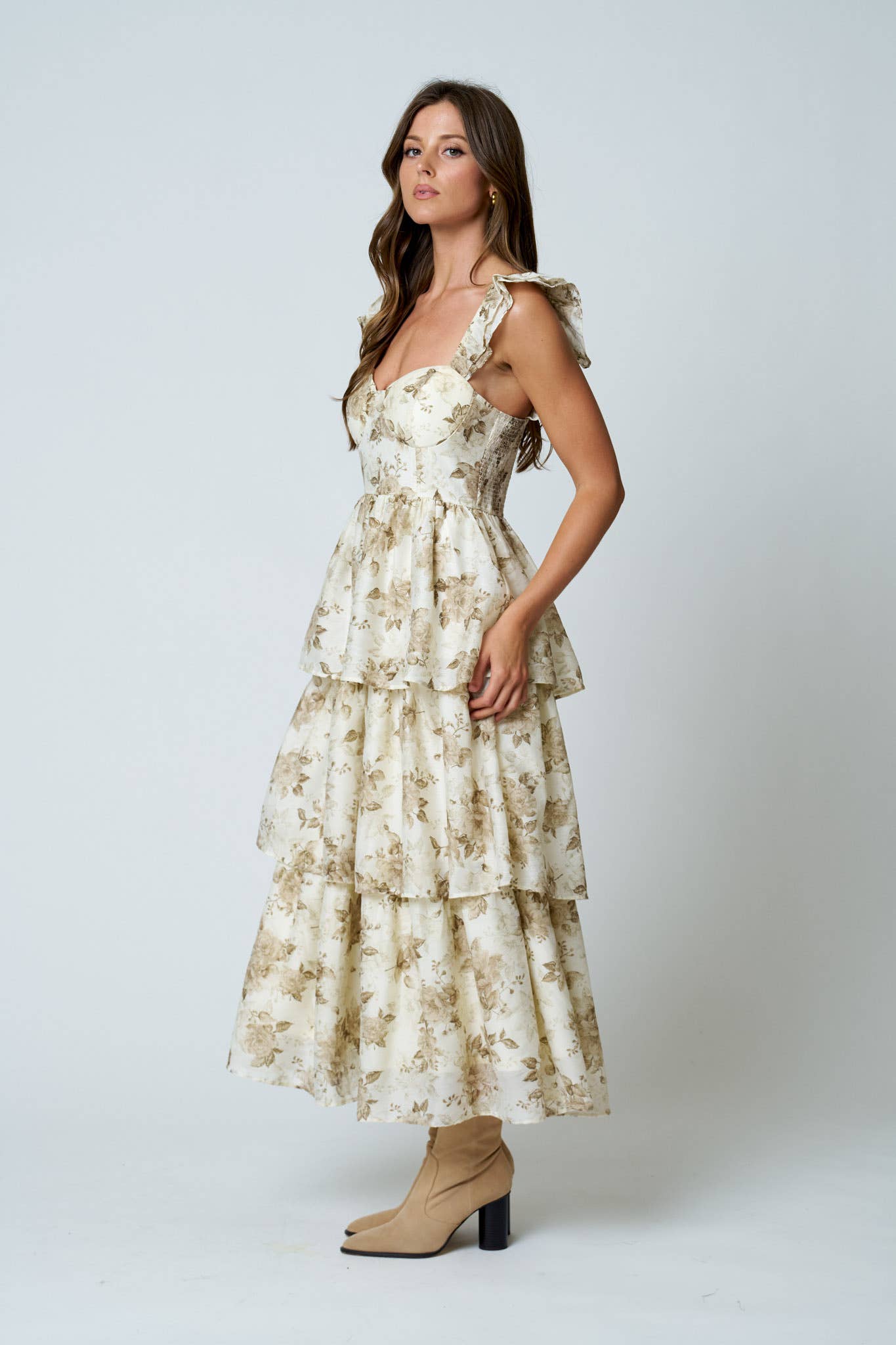
Start by noting the dominating tones in a floral piece. A light khaki base, for example, skews neutral and pairs naturally with autumnal layers—olive, rust, and chocolate instead of only pastels. Use the dominant hue as your base and build seasonal palettes around it.
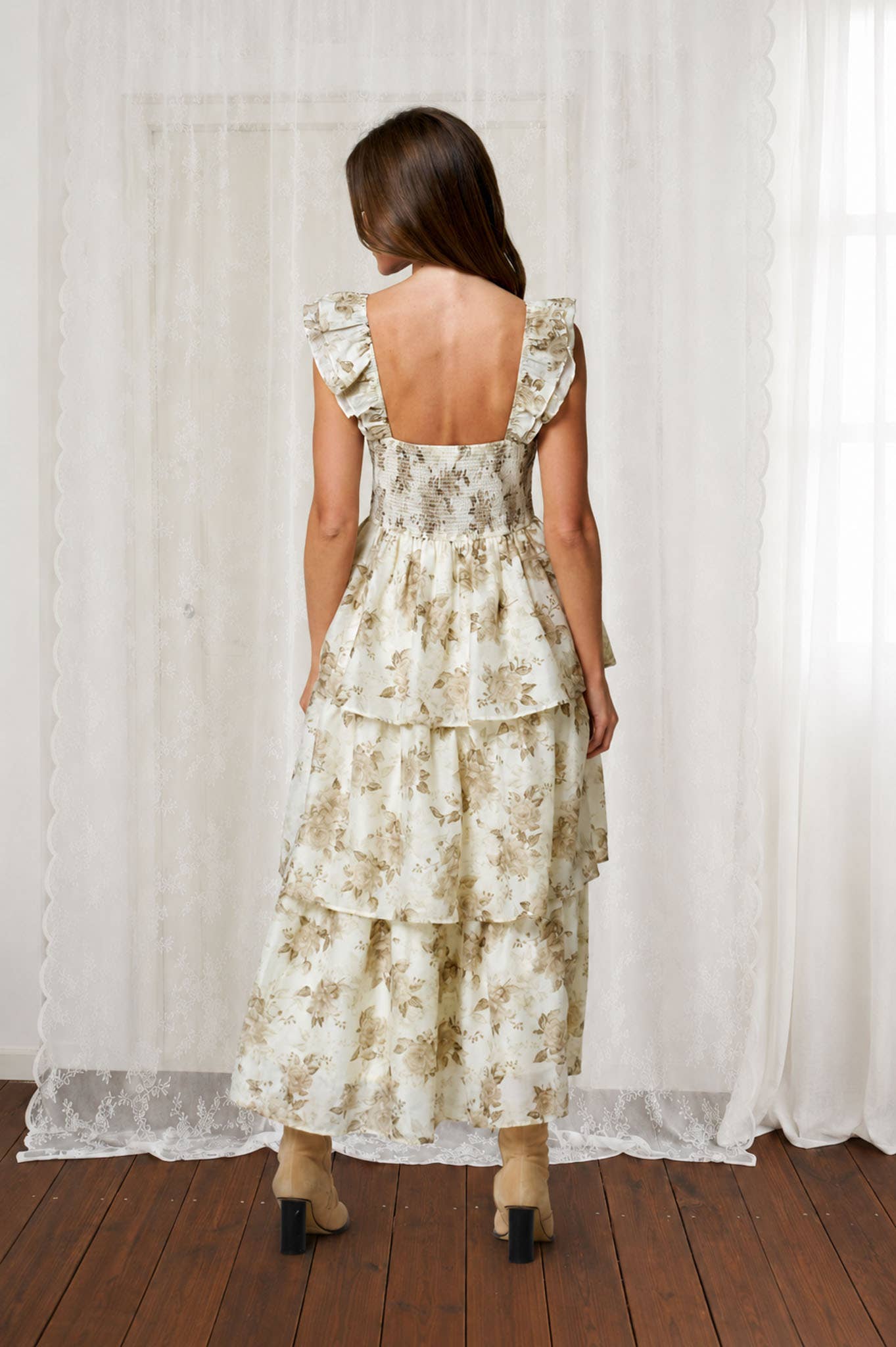
Consider scale as well: a mid-scale floral reads more transitional than a very small ditsy print or an oversized botanical. That means a ruffle tiered midi with a moderate floral pattern works well when you want a piece to carry from summer into fall.
Adjust weight and texture with layers
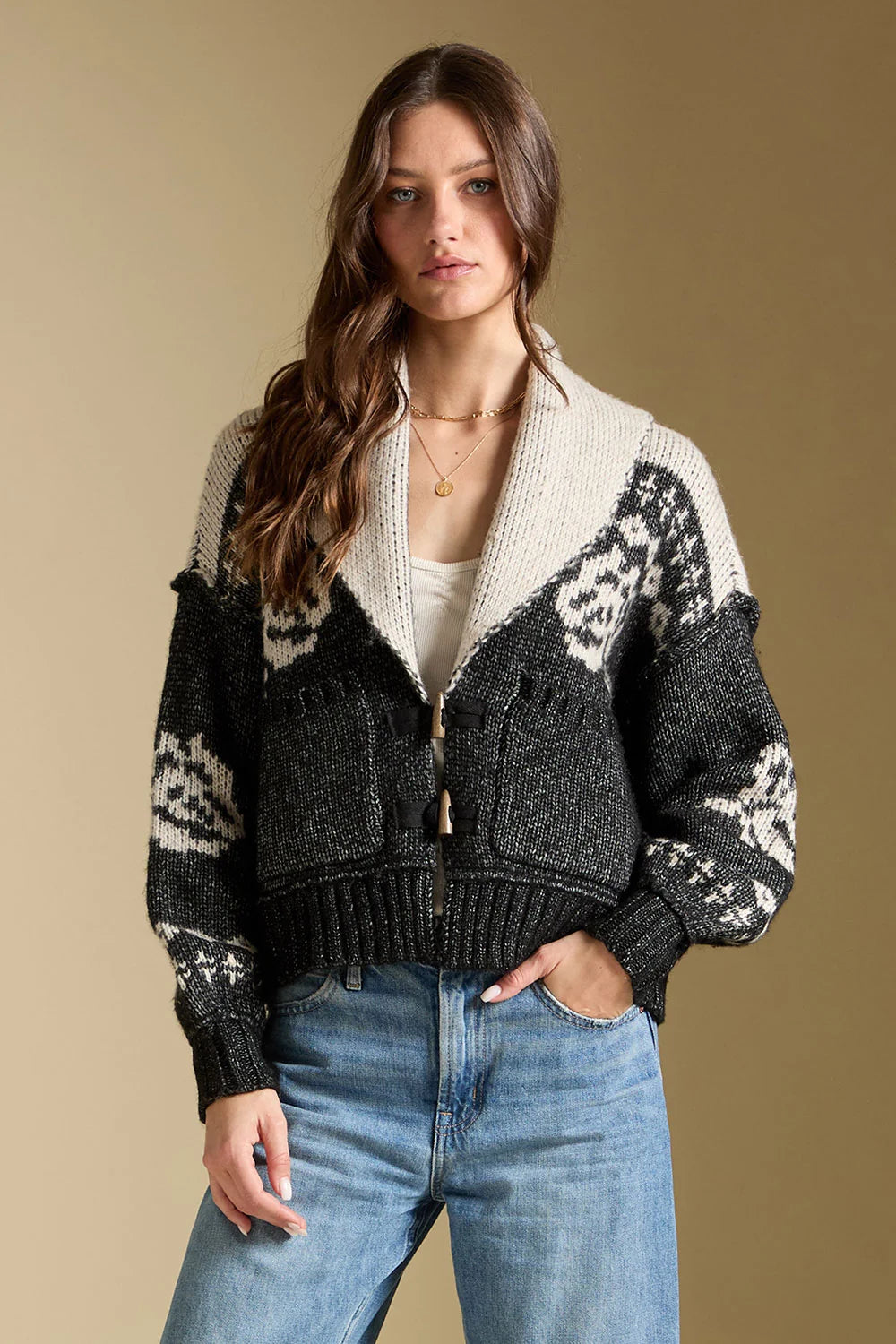
Layering changes the perceived season of a garment without altering it. Over a breezy floral dress, add a cropped cardigan or a structured blazer in a heavier fabric to ground the look for cooler weather. Swap sandals for ankle boots and add tights when temperatures drop.
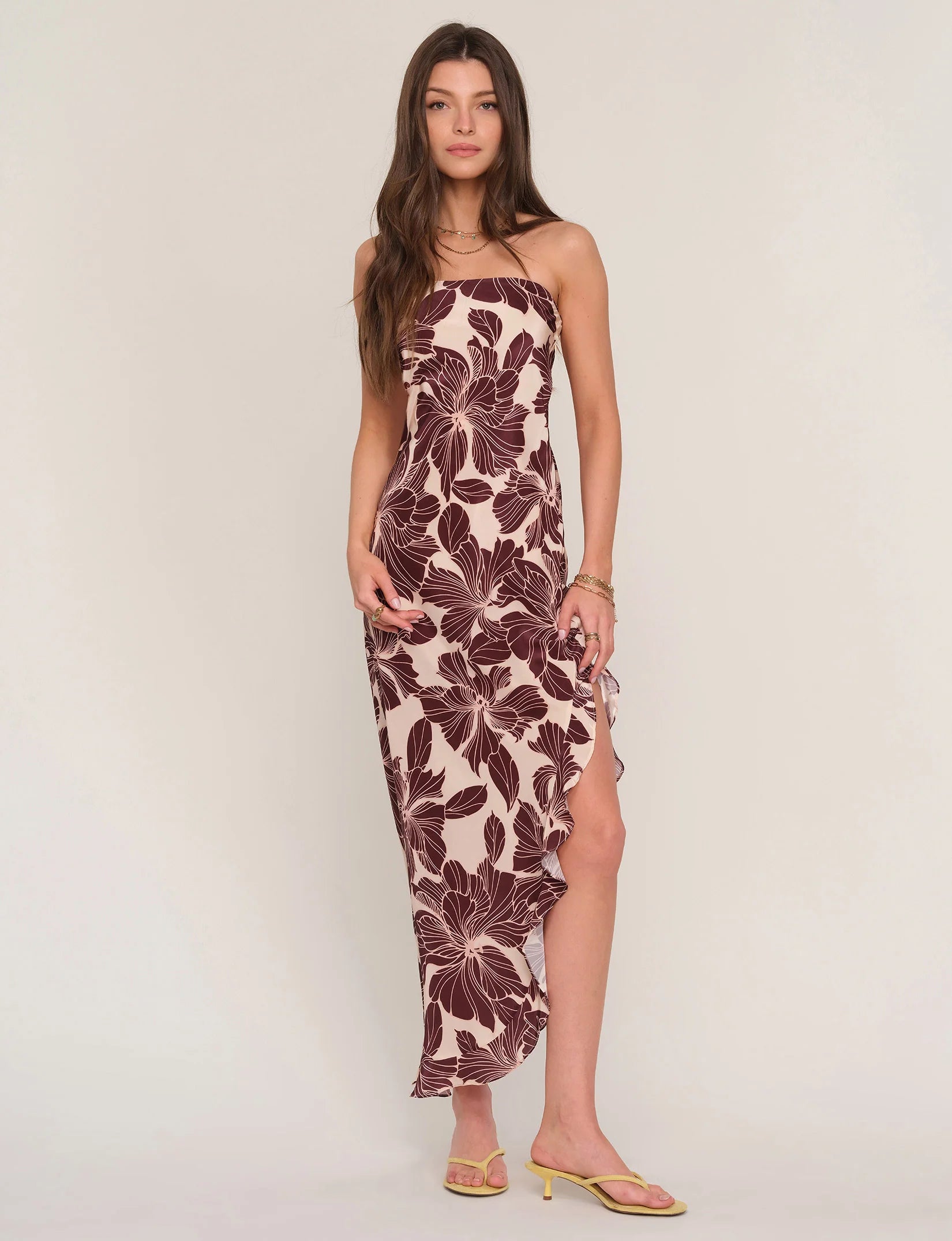
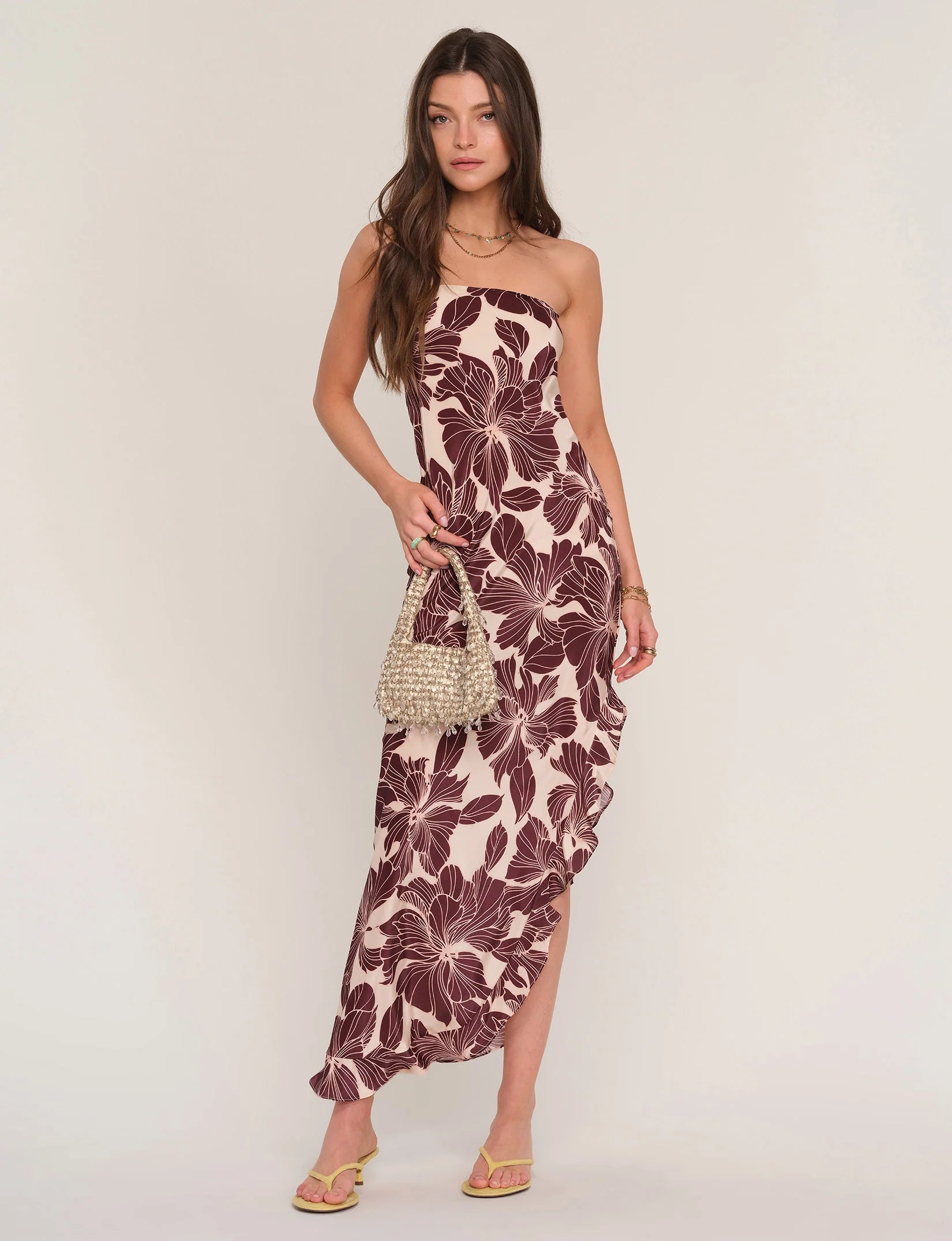
If you own a strapless, slim-fit dress in a lustrous crepe de chine, treat it as a dressy layer in winter: pair with a long-sleeve thin knit underneath or a fitted turtleneck to add warmth and visual interest while preserving the silhouette.
Mind hemline and proportion when pairing
Hem length affects how seasonally appropriate an item feels. A midi skirt or dress invites boots and calf-length outerwear, which makes midis especially versatile. The ruffle tiered spaghetti midi dress with its corset bodice and flowing tiers is a good example—its midi length balances both lightweight summer sandals and fall ankle boots.
For strapless or slim silhouettes, balance proportions by choosing bulk or volume in another layer: a roomy coat or an oversized sweater worn over a slim dress can create comfort and insulation without hiding the garment’s lines.
Accessorize with intent
Small accessories shift the mood of a floral outfit. Swap bright, summery jewelry for pieces in warmer metals or leather straps to make florals read autumnal. Scarves in dense knits or wool blends add both warmth and a textural contrast that translates prints into cooler-weather dressing.
Footwear choices are pivotal: espadrilles and sandals highlight a dress’s summer identity; closed-toe boots or loafers make the same piece feel appropriate in fall and early winter.
Florals aren’t limited by calendar months—they respond to how you combine color, texture, and proportion. Use the garment’s dominant tones and construction to guide layering and accessories so a floral dress or a refined crepe silhouette can carry you through more than one season.