Changeable days — think brisk mornings, warmed-up middays, and breezy evenings — call for a small set of smart layers you can combine quickly. Focus on materials that trap heat when needed but don’t weigh you down, and on closures and silhouettes that make adding or shedding layers simple.
Start with a flexible base
Your base layer should be breathable and close enough to the body to regulate temperature while letting outer layers do the insulating work. Long-sleeve tees, lightweight merino or cotton blends, and thin knit tops all work well. Choose a slim or semi-fitted cut so additional layers sit smoothly without excess bulk.
When mornings are cool and you suspect it will warm up, pick a base in a neutral or season-appropriate color to keep options open for contrasting textures or tones in your outer pieces.
Add a lightweight insulating layer
A lightweight insulating midlayer gives you immediate warmth but can be removed and stowed if the day heats up. Look for quilted or lightly padded options that provide insulation without restricting movement.
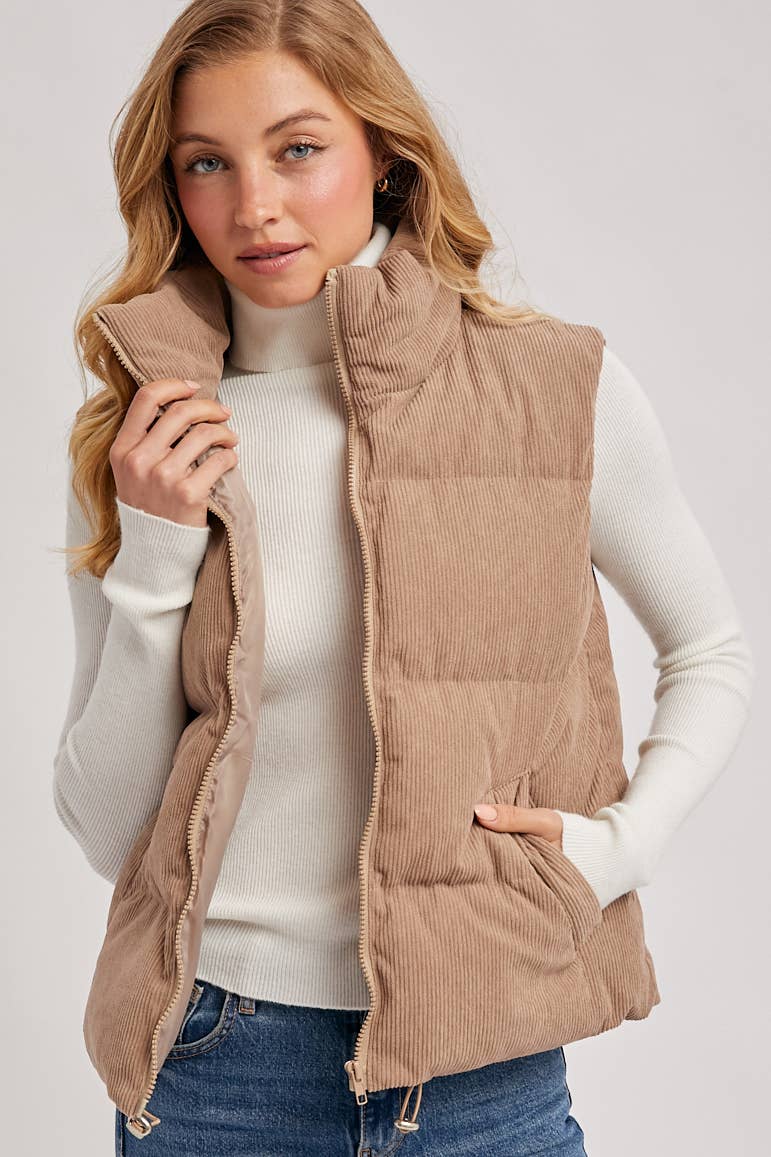
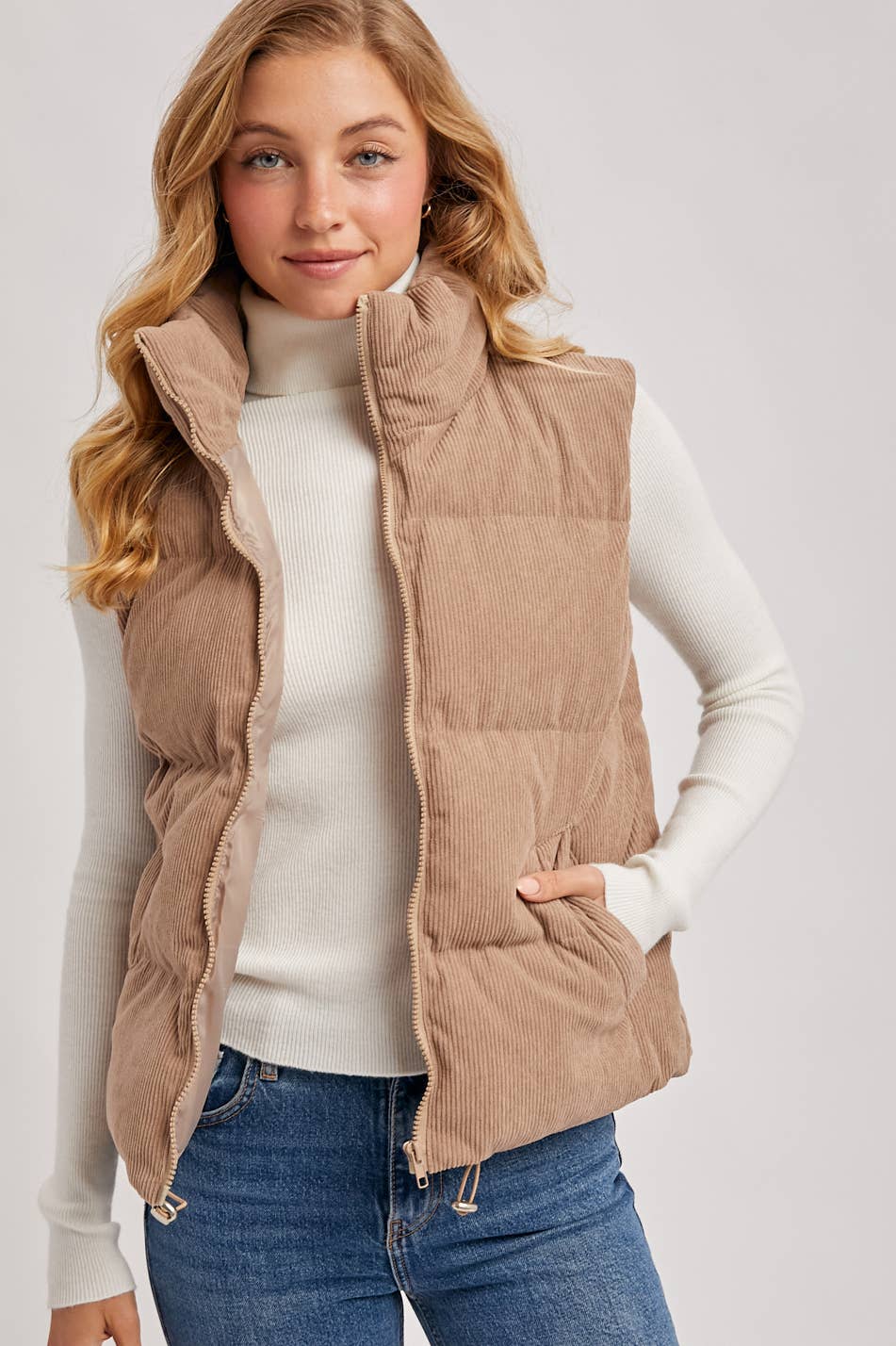
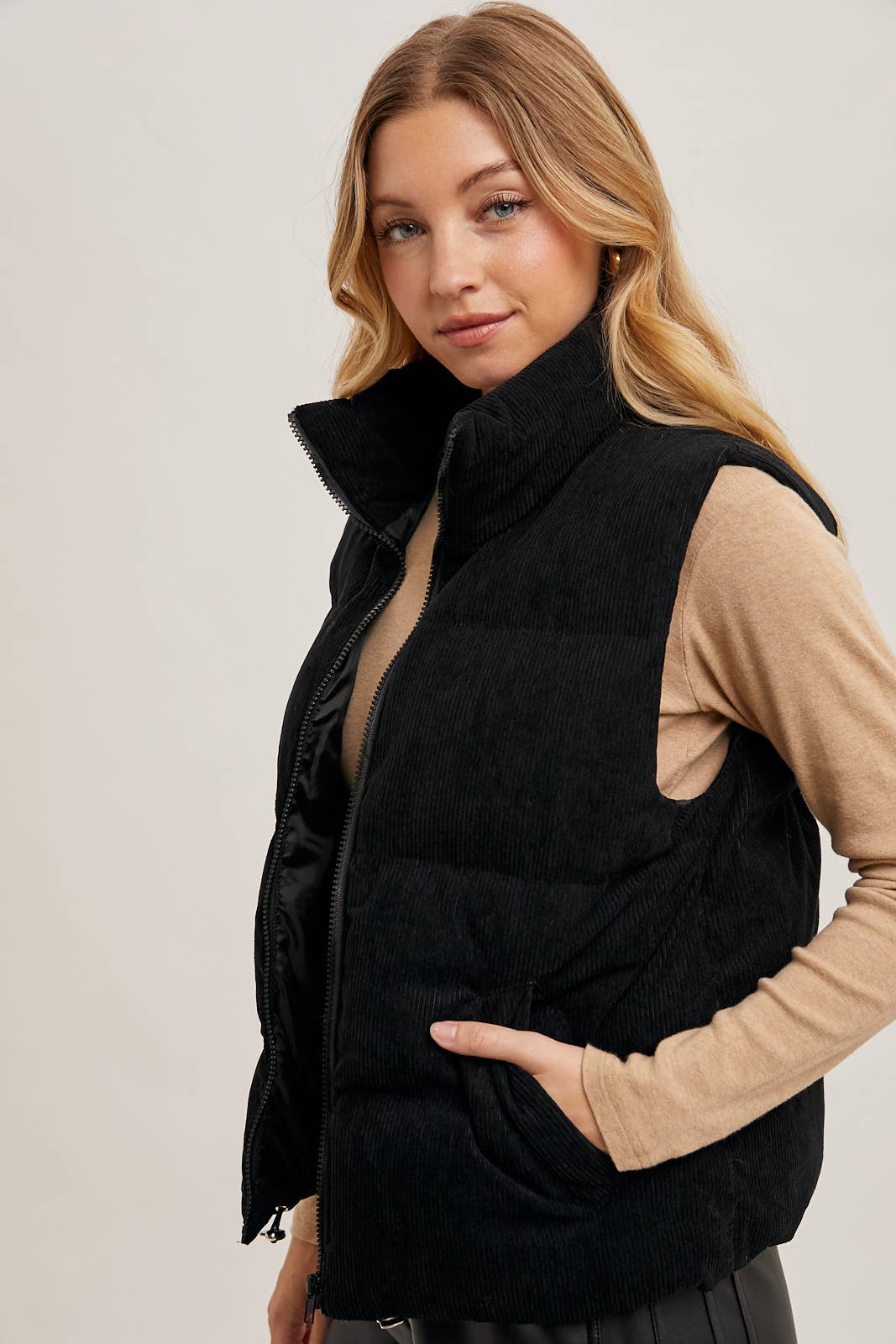
For example, a sleeveless corduroy-quilted puffer vest combines tactile texture with quilted insulation, offering warmth without the bulk of a full jacket. The zip-front closure makes it easy to put on or take off when temperatures shift.
Choose a structured yet easy outer layer
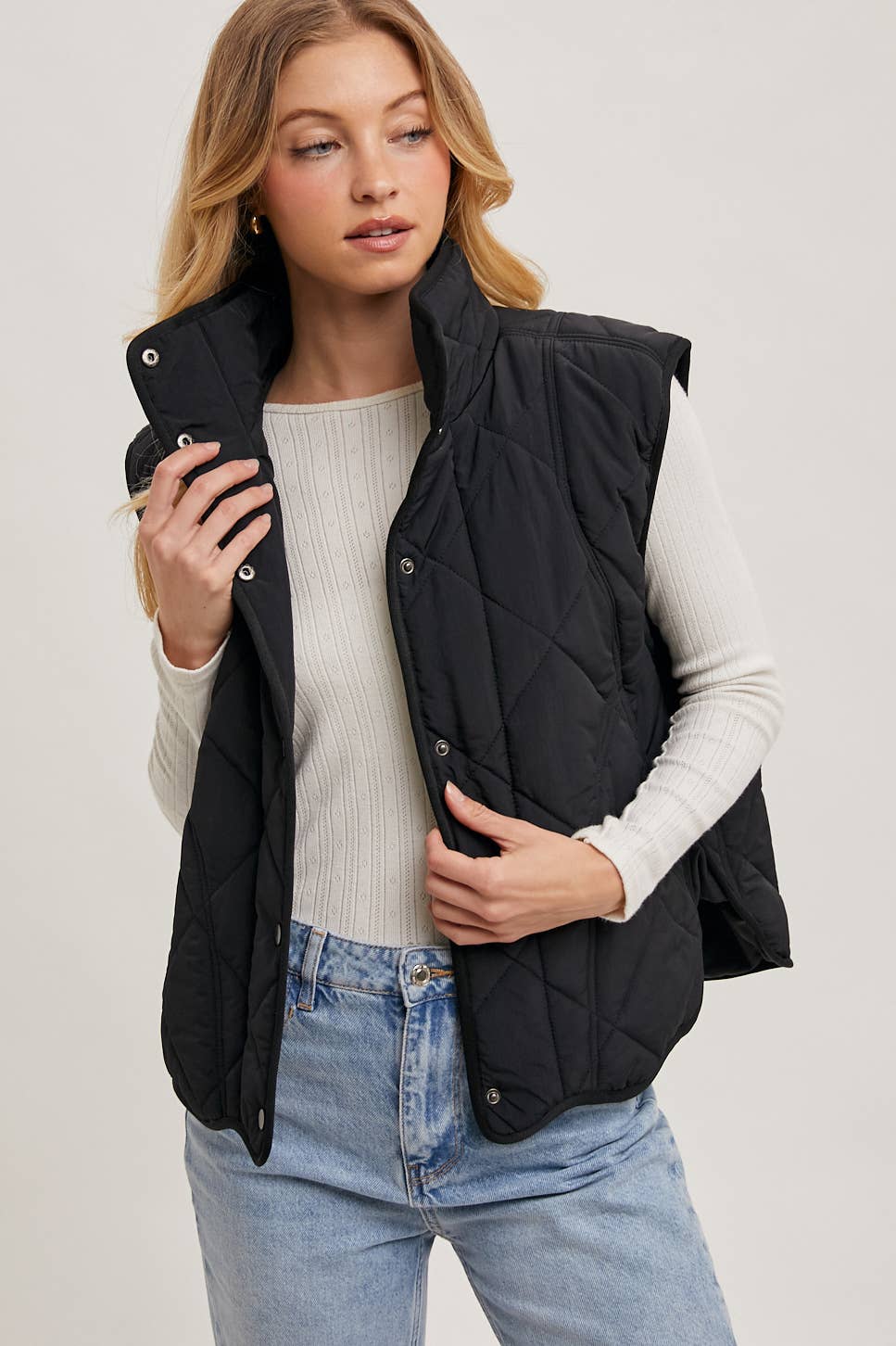
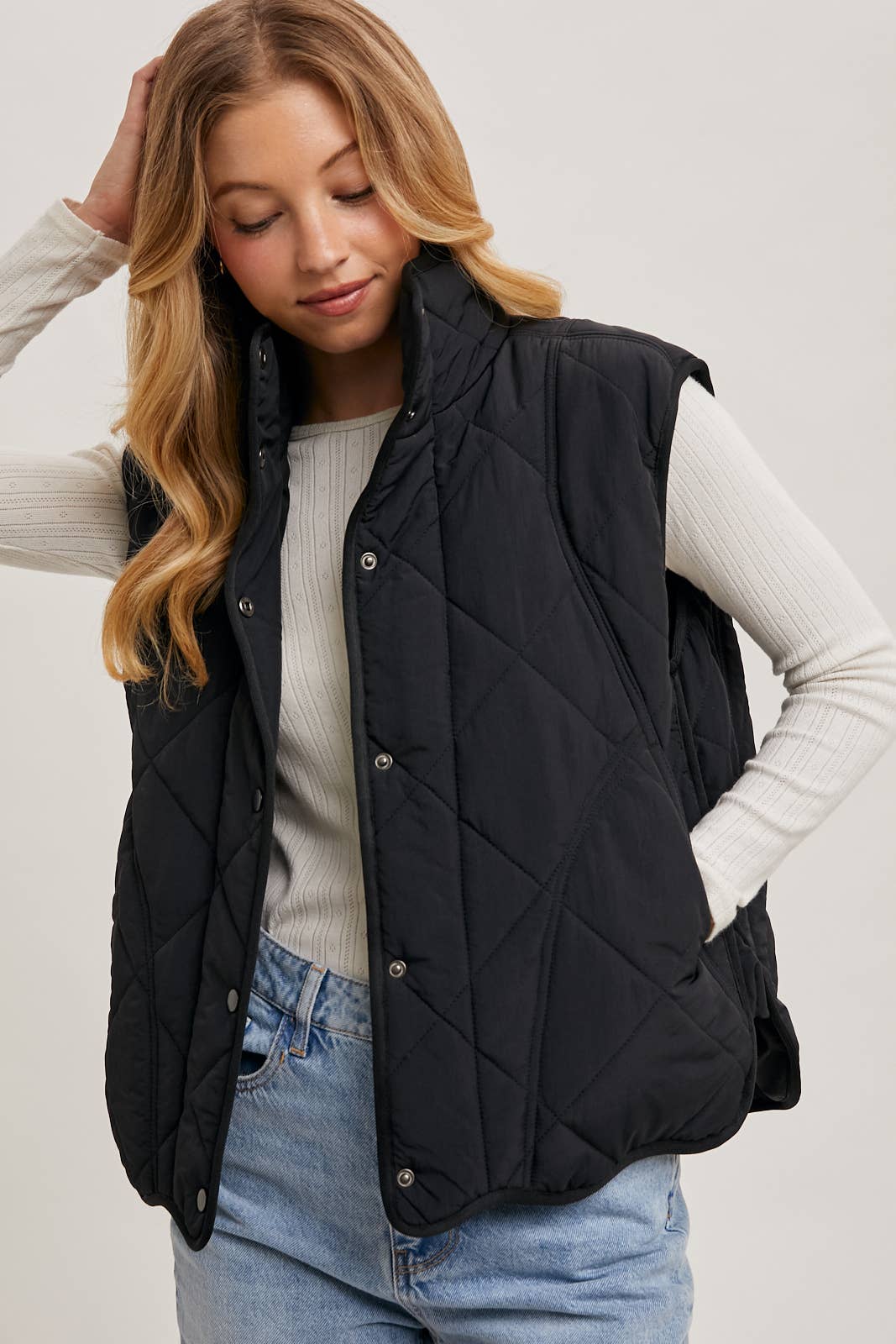
On days that might bring a cool breeze or light showers later, pick an outer layer with a practical closure and pockets for quick storage. A button-down quilted vest with roomy side pockets provides a neat silhouette and hands-free convenience, so you can carry small essentials and keep hands warm without an extra bag.
A structured outer layer should also allow arm mobility and pair well with both chunky knits and thinner tops — this versatility keeps your outfit functional across temperature swings.
Practical details that make dressing simpler
Closures matter: zippers and button-fronts are both fast and dependable when you’re constantly adjusting. Sleeveless insulators preserve arm mobility and permit layering over varied sleeve weights without feeling constrictive.
Fabric texture and color help you read the weather: corduroy or quilted textures visually signal warmth and can elevate a casual tee, while a Black or Mushroom neutral makes coordination straightforward so you aren’t spending time creating outfits when the day is changing.
On changeable days, prioritize layers that are light to carry, simple to add or remove, and designed with practical closures and pockets. A mix of breathable bases and compact quilted vests will keep you comfortable from cool morning to warm afternoon.