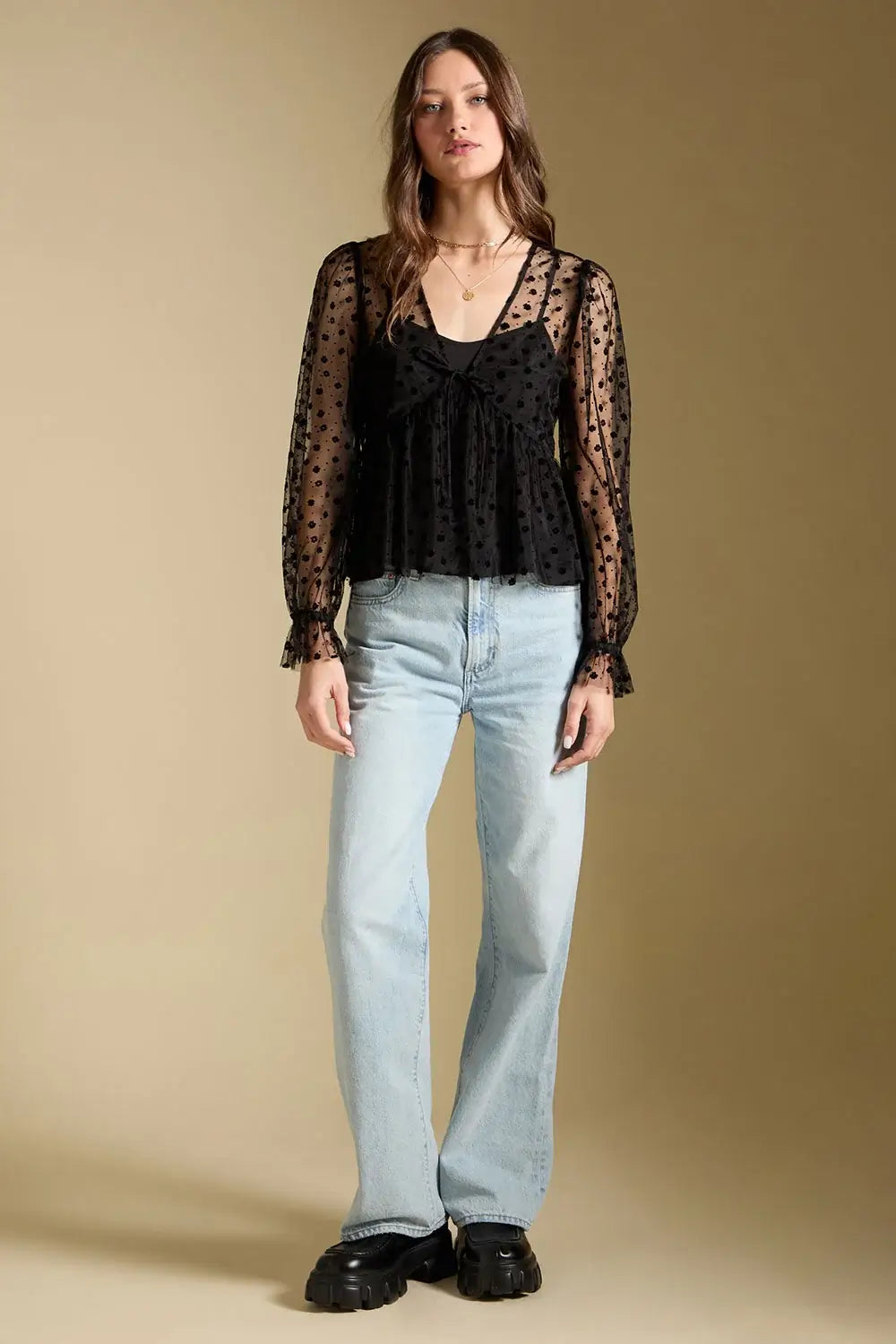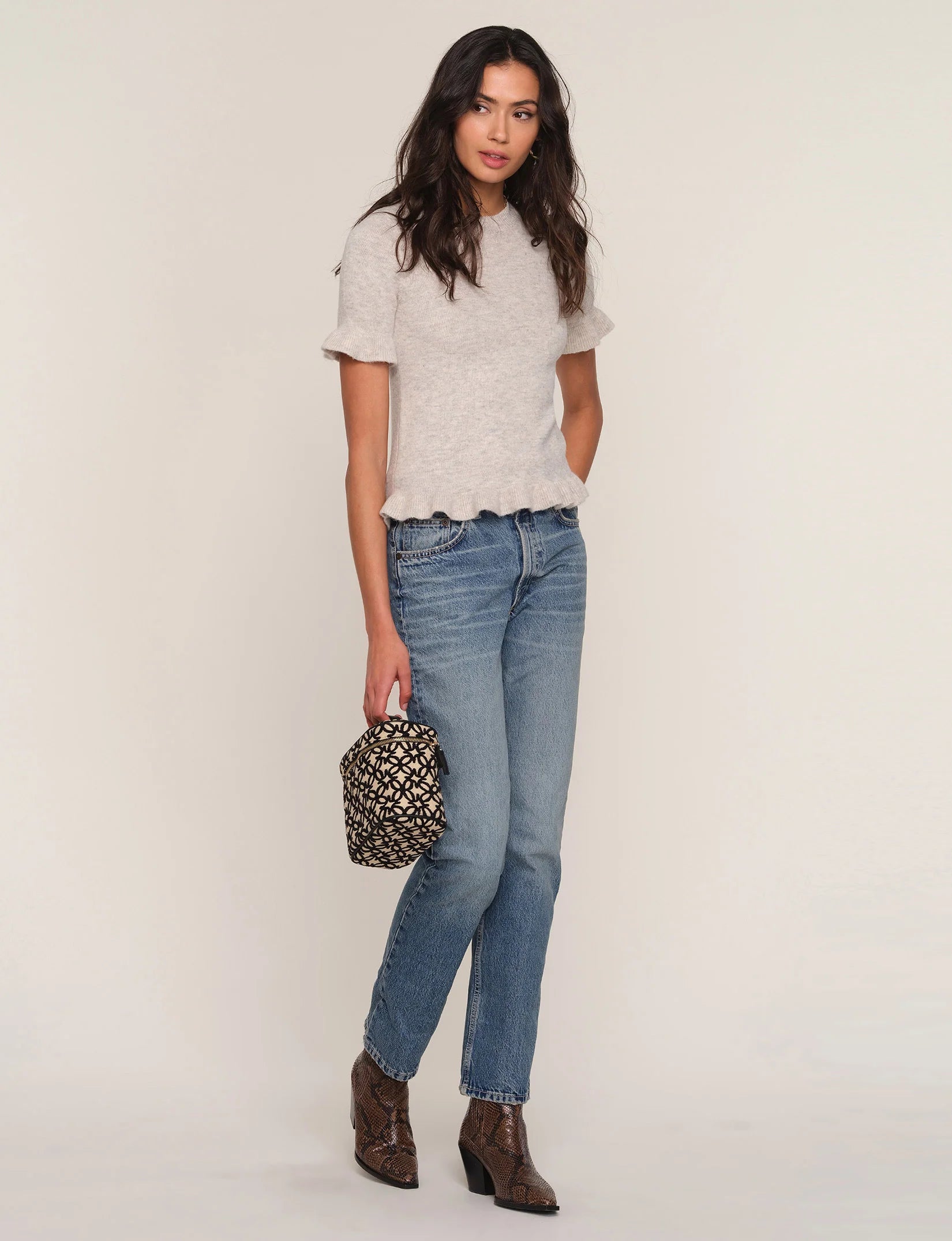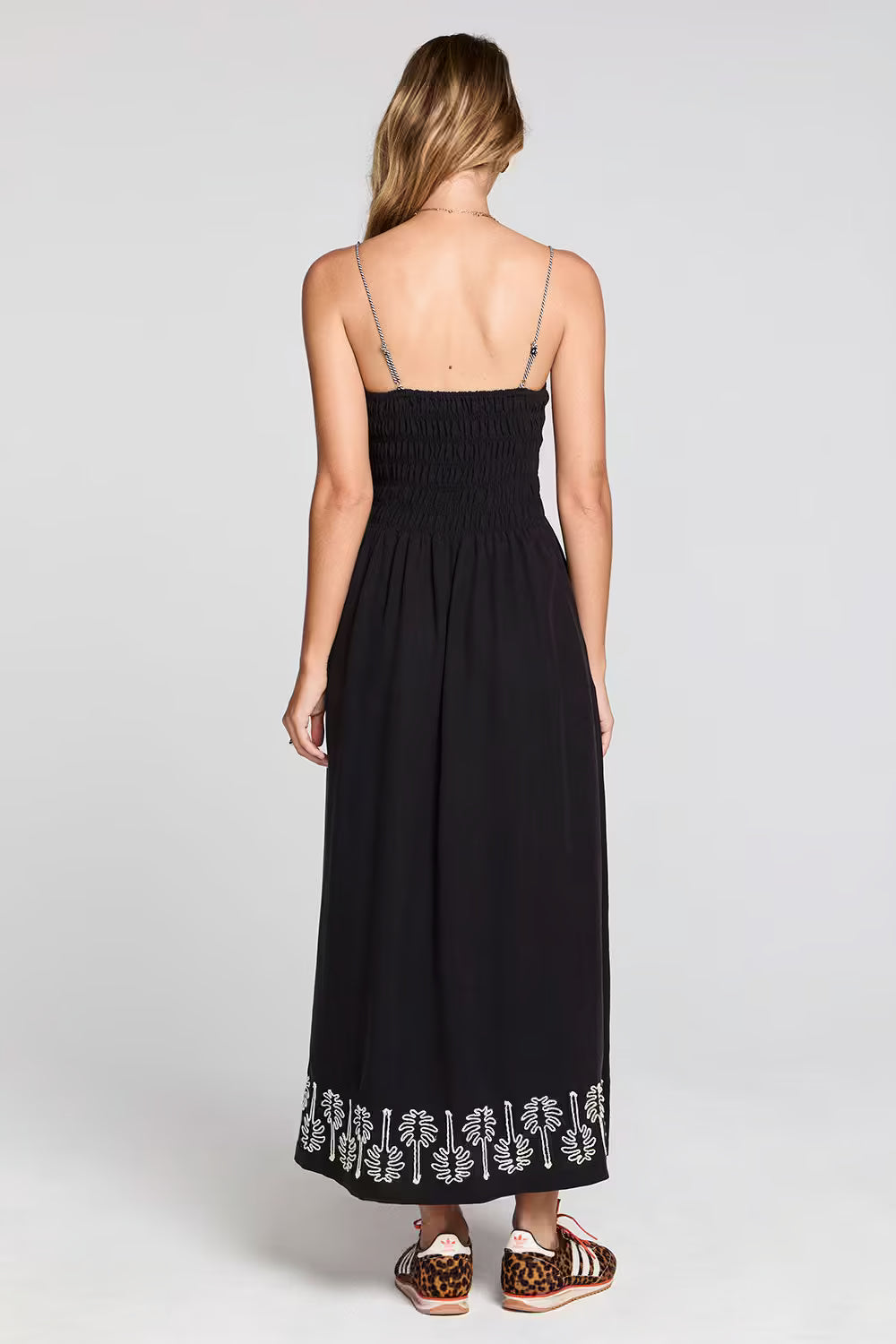
A favorite color can do more than brighten your mood — it can be the organizing principle for multiple outfits. Centering an outfit around one hue helps you make faster, more confident choices and reveals new ways to wear pieces you already own.
Decide how dominant the color should be
First choose whether your favorite color will be the outfit’s anchor, a supporting element, or an accent. Anchoring means the main garment (a dress, coat, or trousers) carries the shade; supporting keeps it in secondary pieces like a knit or skirt; accent uses the color sparingly in accessories or trims.
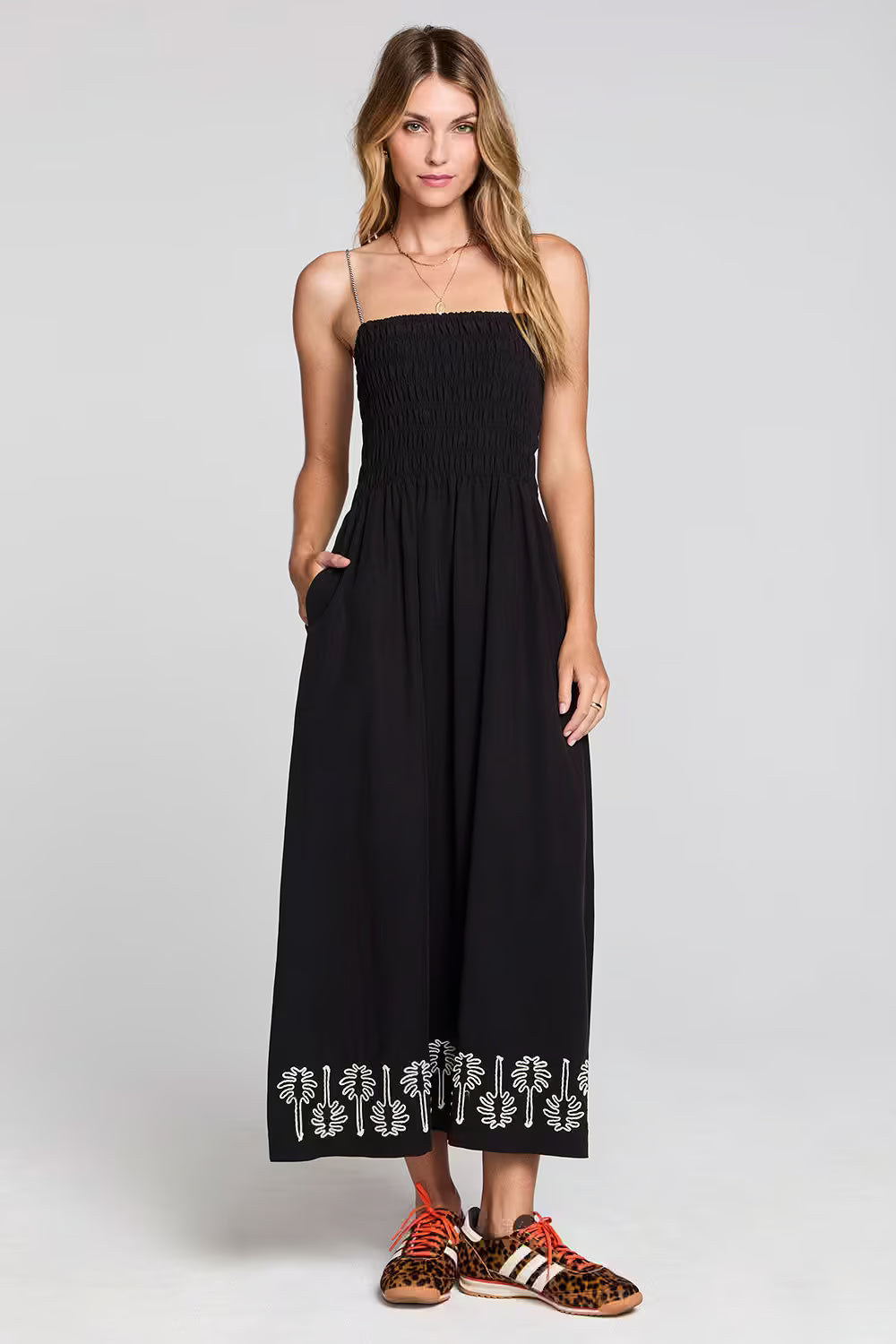
If you want the color to be the anchor, let the garment’s silhouette stay simple so the hue reads clearly. For example, a streamlined tank midi dress in a solid color provides a clean canvas to build with accessories, proportion, and texture.
Balance with neutrals, contrast, or tonal variations
Once you know the role of the color, choose companions. Neutrals (black, white, beige, denim) let a vivid hue pop without competing. High-contrast pairings — like your favorite color with black — feel graphic and modern. For a softer result, mix tonal variations: lighter and darker shades of the same family create depth while remaining cohesive.
If you’re starting from a classic black piece, such as a fitted tank midi dress, use the black as the neutral base and introduce your color in layers, shoes, or a bag. Conversely, place black accessories against a colorful dress to ground the look.
Play with proportion and texture to keep interest
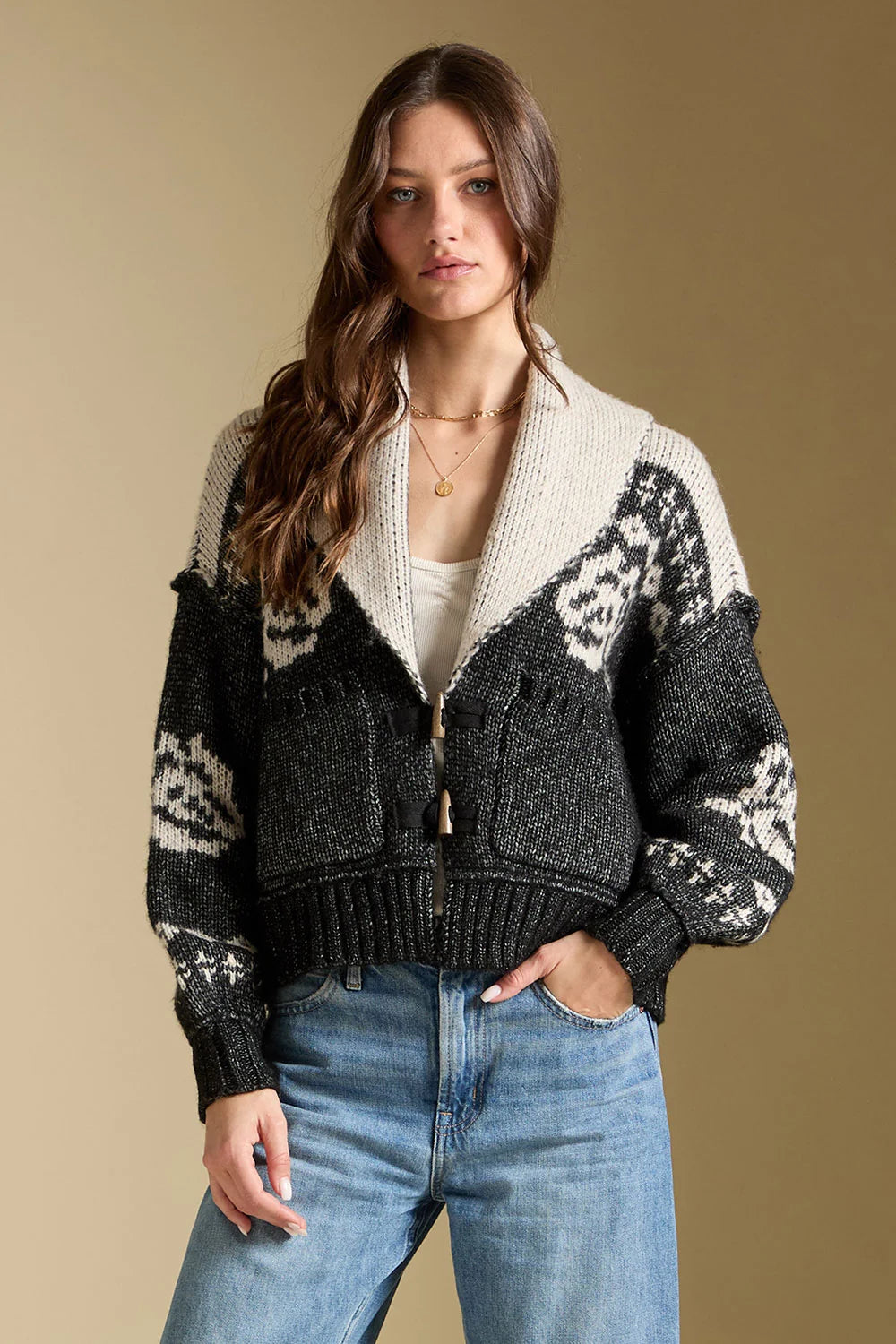
Color alone can’t sustain an outfit; proportion and texture provide movement. Pair a smooth, close-fitting silhouette with a textured cardigan, scarf, or woven belt in your chosen color to avoid a flat appearance. Alternatively, balance a voluminous skirt in your color with a fitted top for flattering contrast.
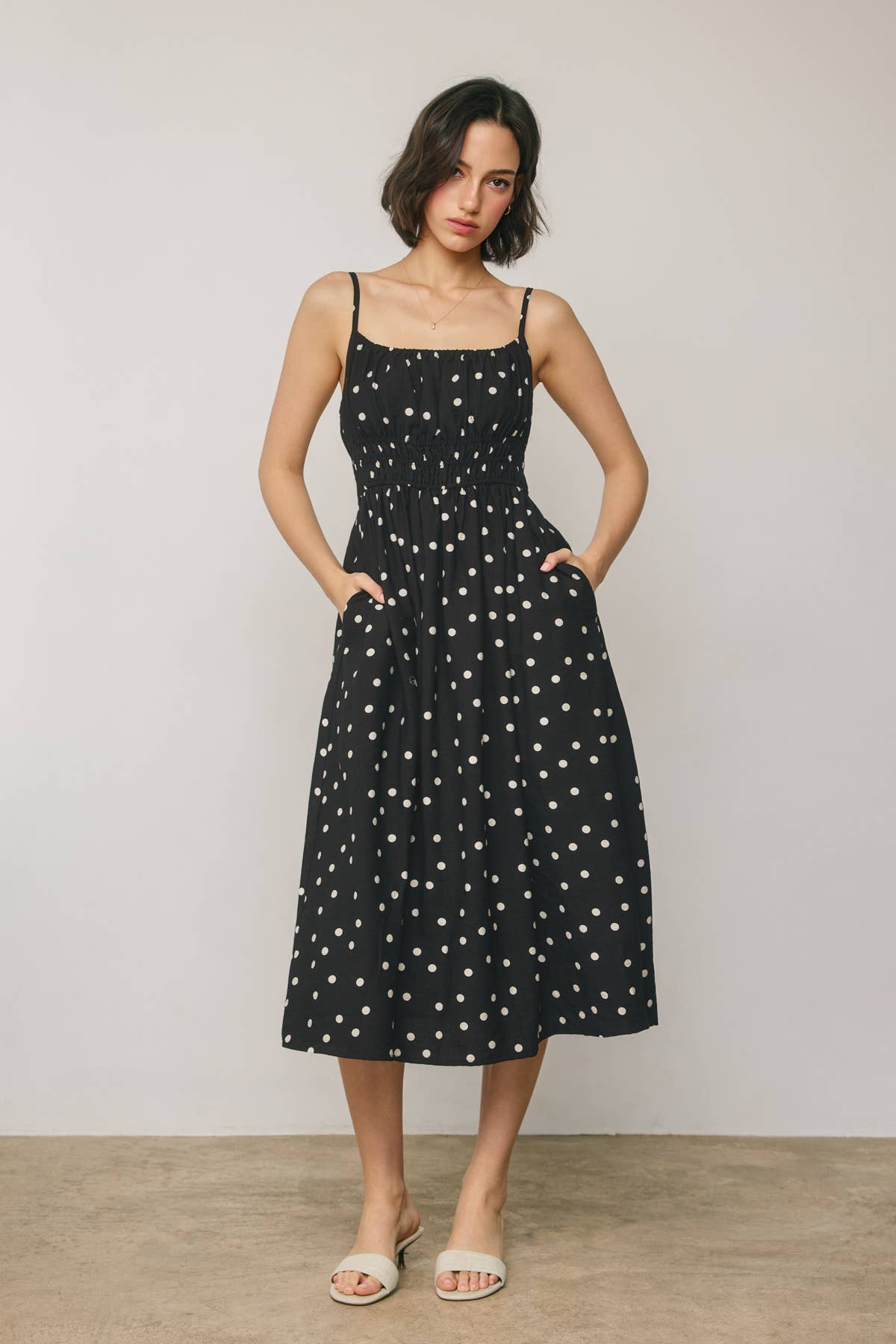
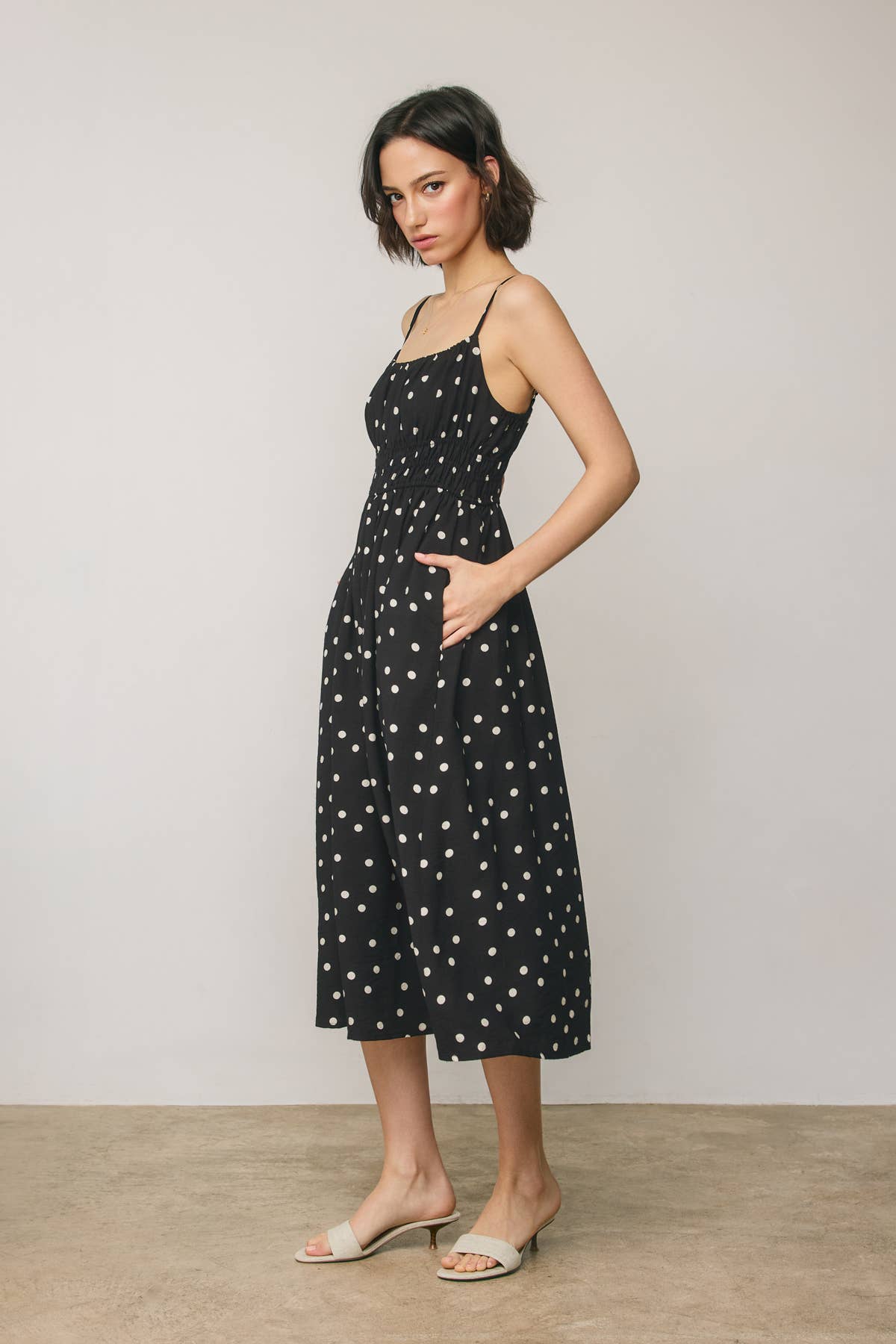
If wearing a patterned dress that incorporates your color, let the garment’s print determine the accessory scale. A polka-dot shirred-waist dress with a square neck and adjustable spaghetti straps reads playful and feminine — choose accessories that echo that mood, such as a small crossbody or delicate earrings, rather than oversized, heavy pieces that could compete.
Use accents and repeat the color for cohesion
Small repeated touches of your favorite color make an outfit feel intentional. Think shoes, a belt, a scarf tied to a bag, or a lip color that matches the hue. Repetition across two to three points (for example, bag and shoes, or top and a hair accessory) ties the look together without being literal.
When you want maximum flexibility, work from a neutral base and swap in your favorite color through garments and accessories. For warm-weather ease, a partially lined polka-dot midi-maxi dress can host color accents at the shoe and jewelry level; for cooler days, anchor with a solid dress and layer in the color using outerwear or knitwear.
Let your favorite color guide choices about scale, texture, and how many times it appears in one look. With deliberate pairing and small repeat accents, a single hue can create many distinct, wearable outfits that feel unmistakably yours.