A reliable set of measurements helps you choose garments that flatter and feel comfortable. Whether ordering online or tailoring a favorite piece, these practical steps and quick checks will improve fit decisions and reduce returns.
Tools and posture: what you need before you start
Gather a soft measuring tape, a mirror, a notepad, and the shoes you plan to wear with the garment type (flats or heels can change hem and skirt lengths). Stand relaxed with feet hip-width apart. Wear a close-fitting bra or the undergarments you typically use with the garment so measurements reflect real-life wear.
Keep the tape snug but not tight — you should be able to slide a finger beneath it. Take each measurement twice to confirm consistency and write down the average.
Key body measurements and how to take them
Bust: wrap the tape around the fullest part of your chest, keeping it level under the arms and across the back. Waist: find your natural waist by bending sideways—where a crease forms—and measure around that point. Hips: measure around the fullest part of your hips and seat, usually 7–9 inches below the natural waist, depending on height.
Additional useful measures: high bust (above the bust, under the arms) to check bodice fit and shoulder width from shoulder tip to shoulder tip across the back. For dresses and skirts, note waist-to-hip and waist-to-floor measurements so you can predict skirt flare and hem length.
Translating measurements to garment choices
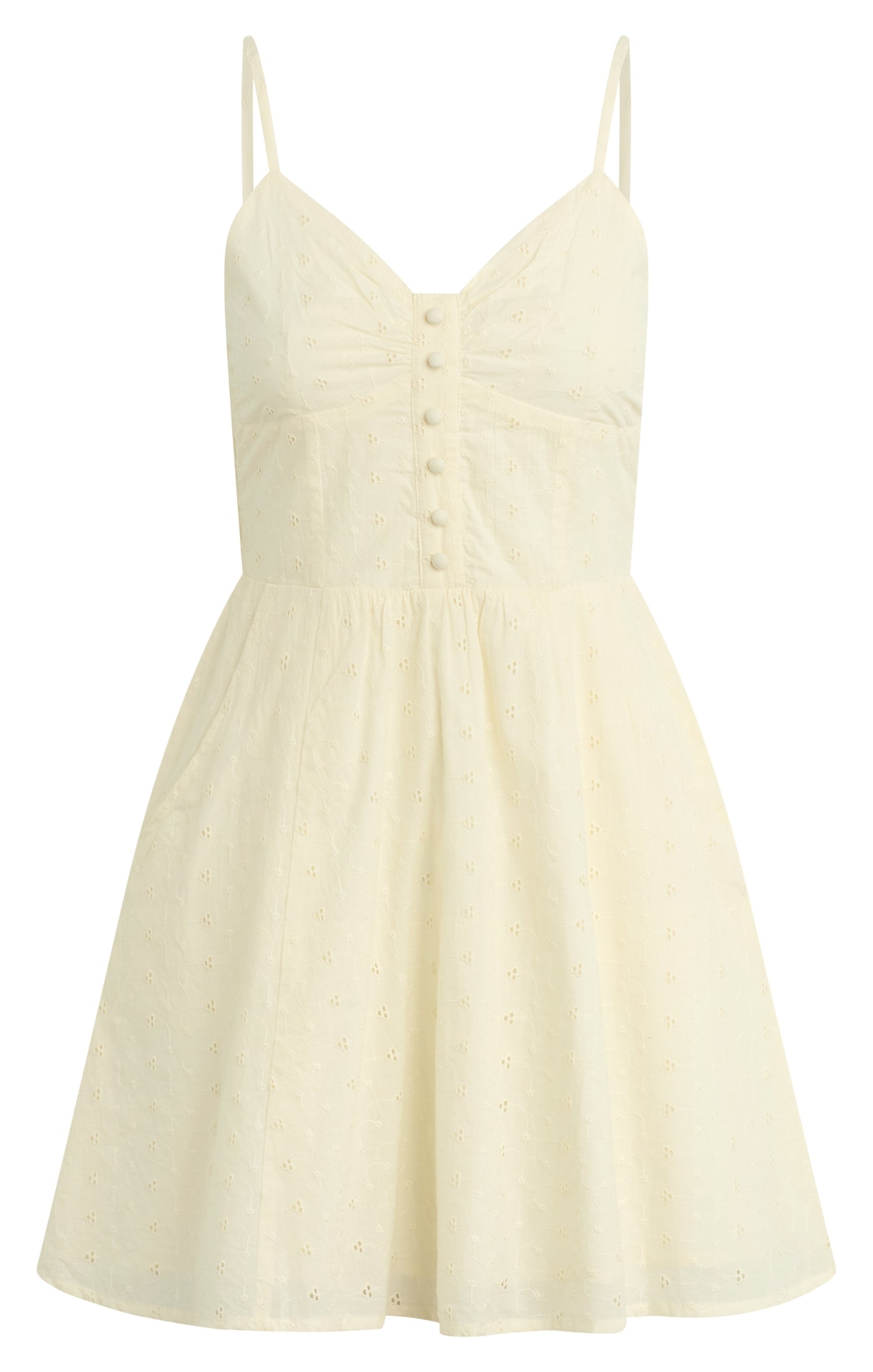
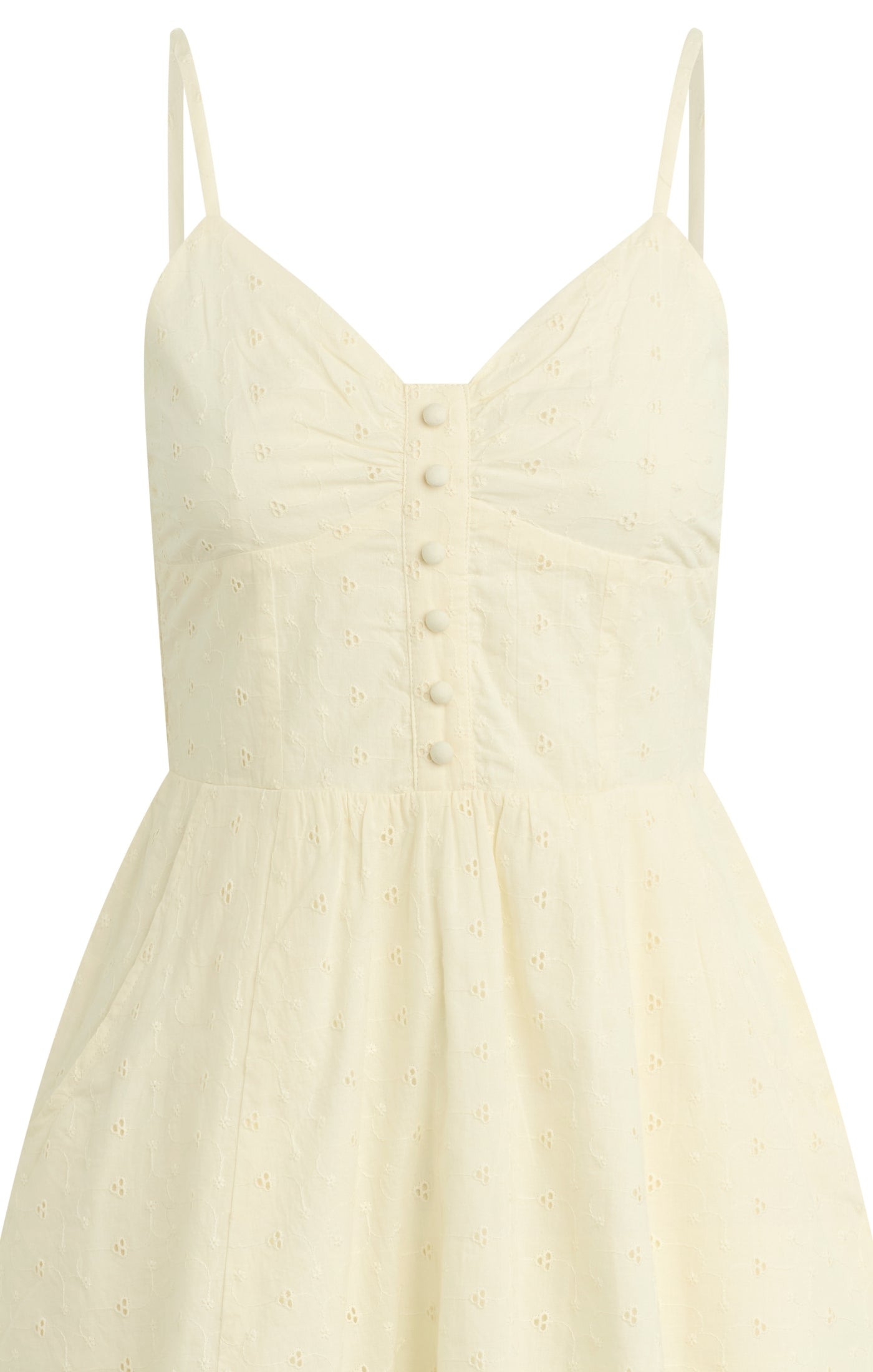
Compare your numbers to size charts for each brand or item rather than relying on a single size. For example, a fitted V‑neck bodice like the Bila77 Barbara Dress will be most comfortable when your bust and high-bust measurements are within the garment’s stated finished-bust range; if your high bust is smaller than the dress’s pattern assumes, you may notice gaping at the straps or neckline.
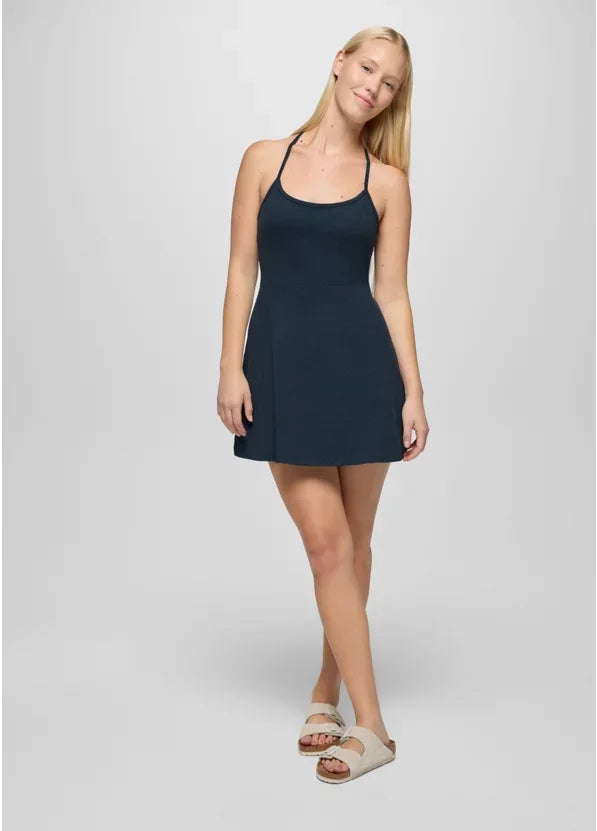
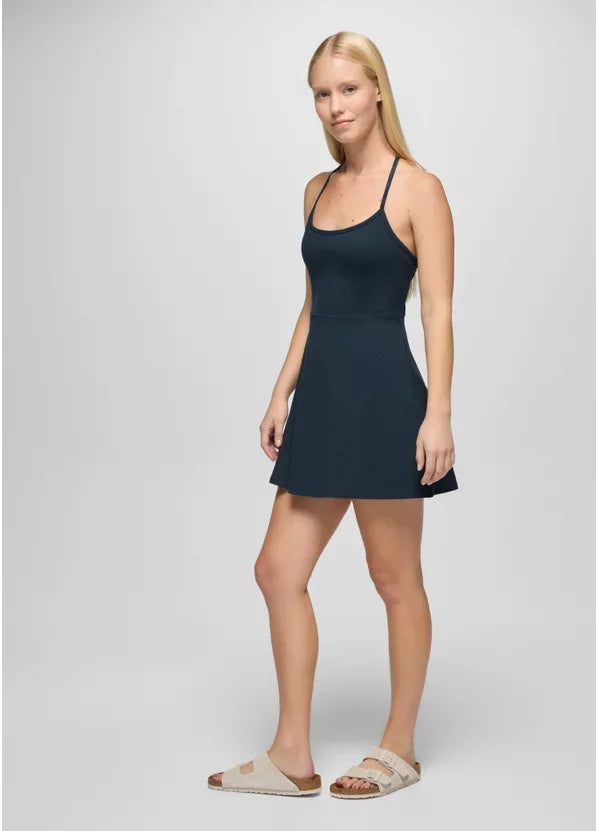
For stretchy, sporty dresses such as the PrAna Heavana Every Minute Dress, factor in fabric stretch and support features. Because this dress contains elastane and has removable cups, it tolerates a closer fit through bust and torso; prioritize hip and full-length measurements when you want a specific skirt length or ease for movement.
Simple fit checks and recording tips
When trying on, check these quick points: does the shoulder seam sit at the edge of your shoulder; does the bust lie smoothly without pulling or puckering; does the waist seam sit at your natural waist if the garment is meant to be fitted. For garments with adjustable elements (spaghetti straps, racerback, removable cups), use those features to fine-tune the fit rather than sizing up unnecessarily.
Keep a measurement sheet with your core numbers (high bust, full bust, waist, hips, shoulder width, waist-to-floor). Note any alterations you commonly need (shorten hem by X inches, take in side seams by Y inches). That record makes future shopping and tailoring faster and more accurate.
Measuring carefully and keeping clear notes makes choosing the right size more predictable and helps you decide when to size up, size down, or alter. Use the garment’s details—fabric type, closure, and adjustable features—to interpret those numbers for the best fit.