Choosing whether to hang or fold isn’t just about space — it preserves shape, prevents damage, and makes outfits easier to grab. This guide gives clear, fabric-based guidance and straightforward techniques for everyday clothes.
Know the fabric and fit
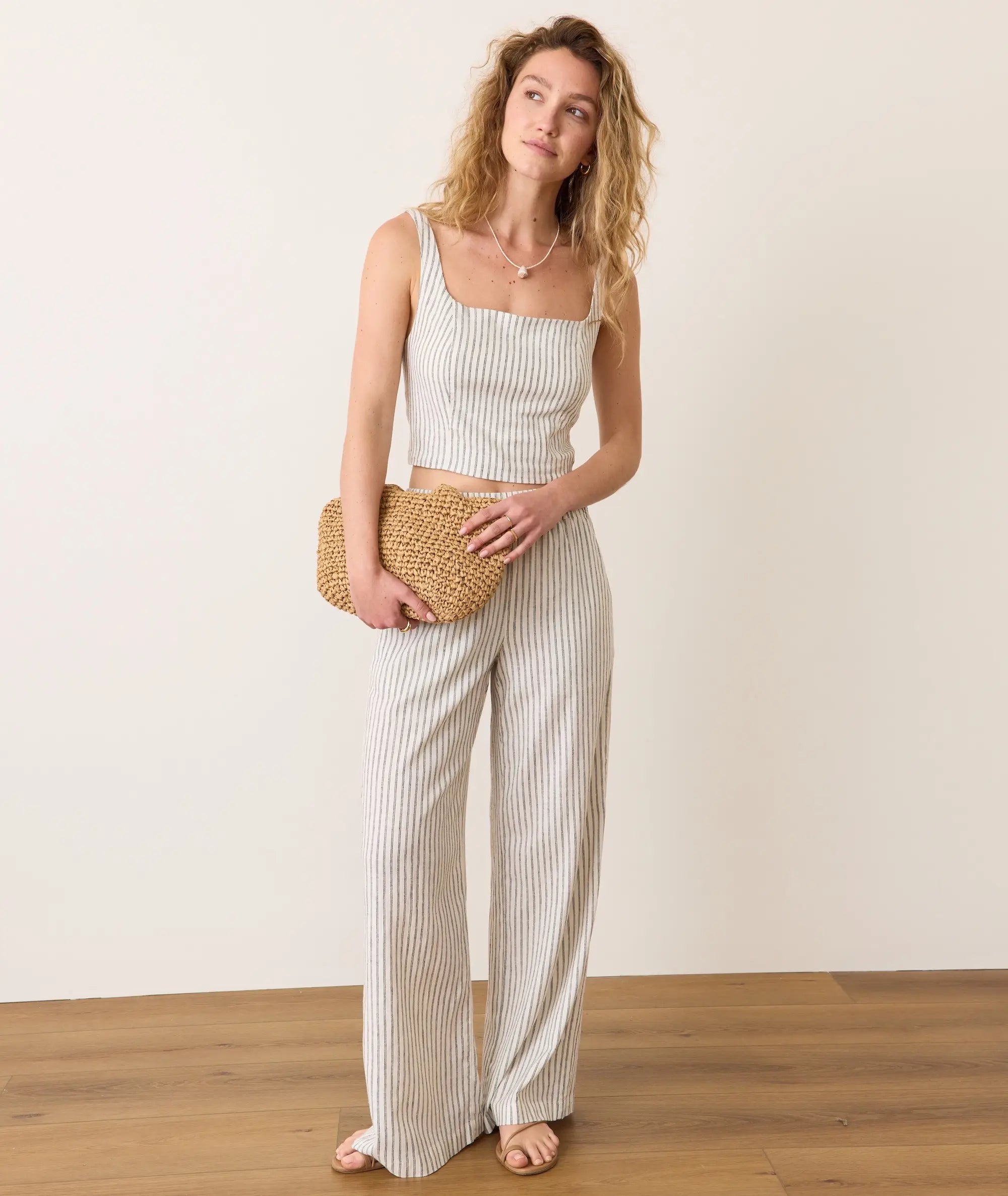
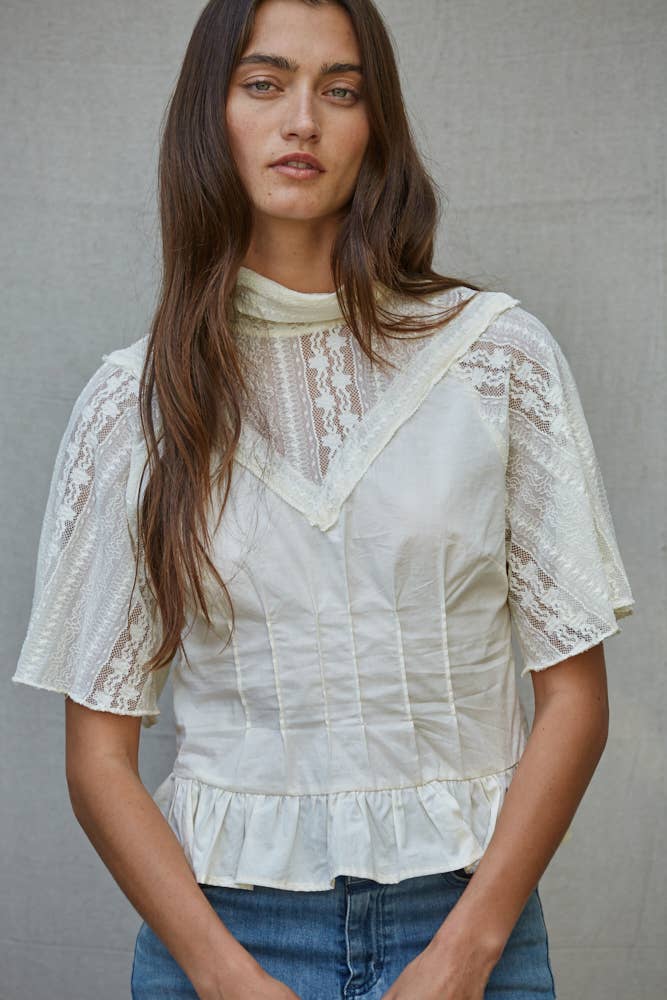
Start with the garment’s care label and construction. Lightweight knits and woven fabrics with structure behave differently: a breezy tank in a hemp–Tencel–spandex blend will drape and recover from light creasing, while a sheer woven lace top needs gentle handling to avoid snags.
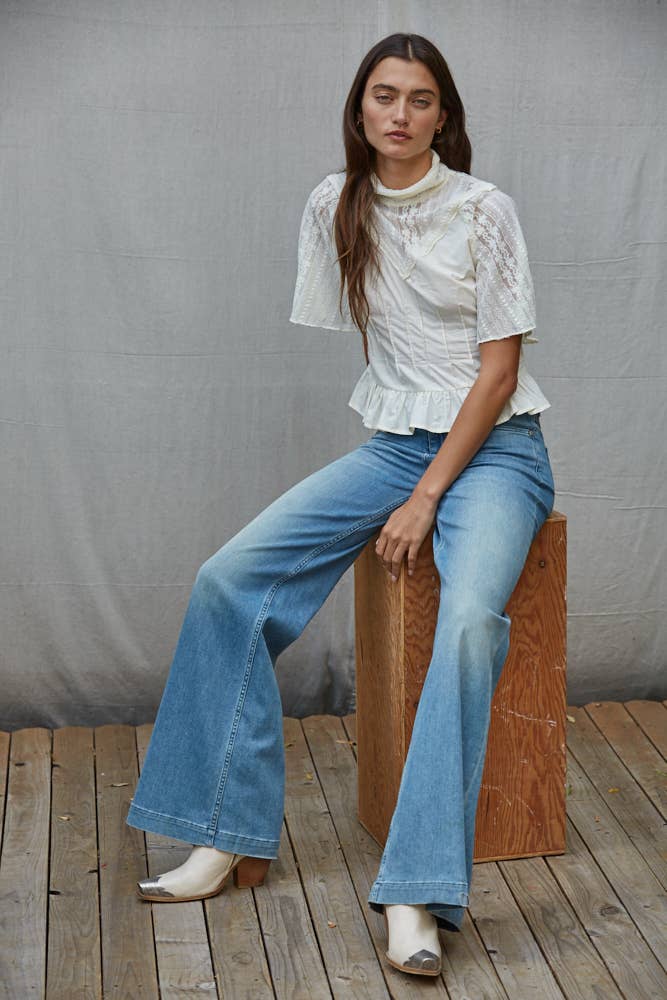
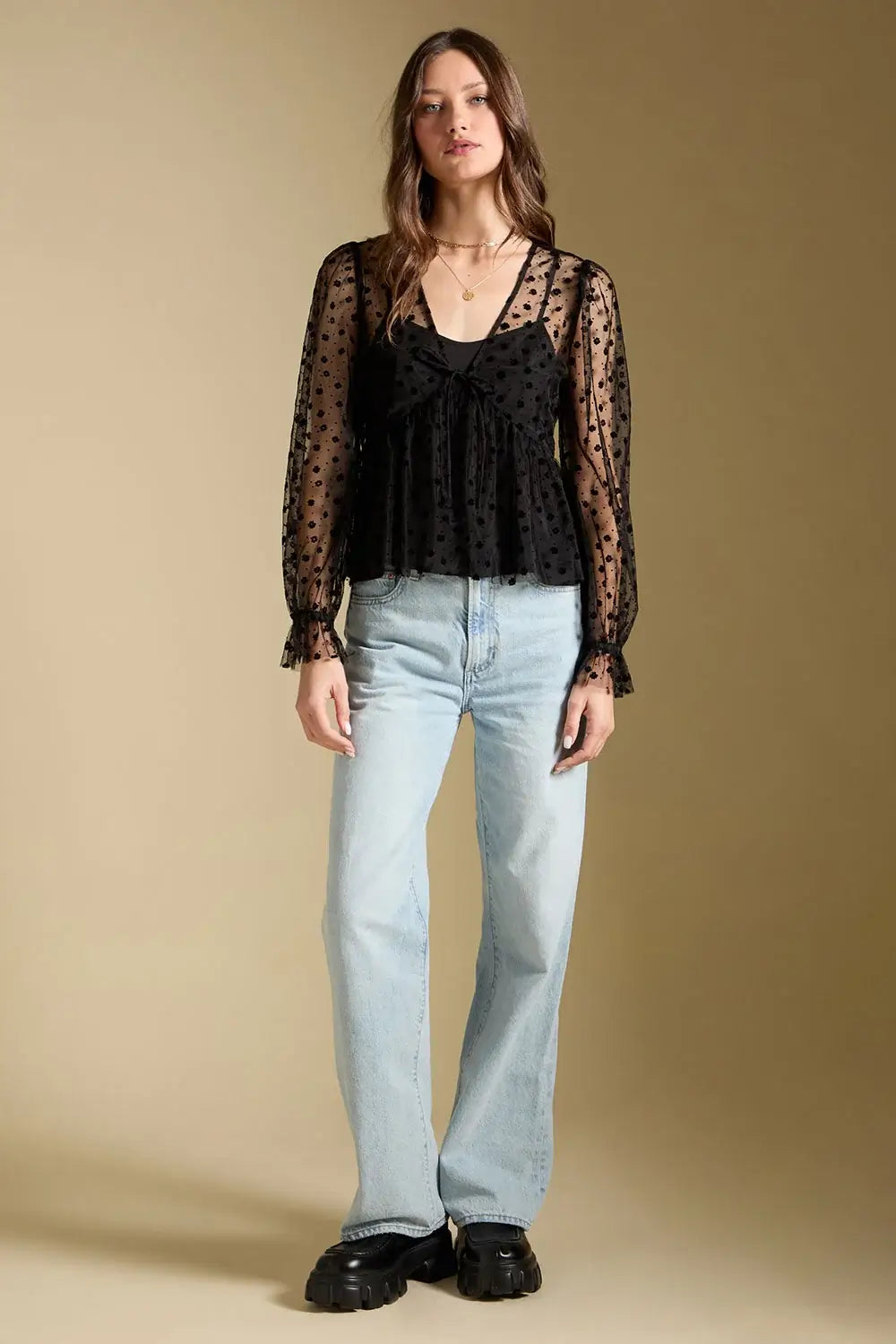
For example, the Marine Layer Zoe Hemp Tank (54% hemp, 44% Tencel Lyocell, 2% spandex) benefits from folding when you have limited hanging space because the soft blend is forgiving of folds and the relaxed fit won’t lose shape. Conversely, a fine woven lace mock-neck top with delicate sleeves and back closures (like the By Together sheer lace mock neck) is often best hung on a padded or shaped hanger to keep the neckline and zipper detail from being compressed.
Hanging: which hangers and methods to choose
Match hanger type to the garment. Use wide, contoured or padded hangers for tops with structure or delicate necklines so fabric lies naturally across the shoulders. Slim, non-slip hangers work for lightweight blouses if you add foam or fabric at the shoulder points to avoid indentations.
Use clips for skirts and lightweight trousers, placing padding between clips and fabric to avoid marks. For delicate lace or garments with straps, hang them from loops sewn into the seams (if present) rather than from the fabric itself to prevent stretching and snags.
Folding: when and how to fold for longevity
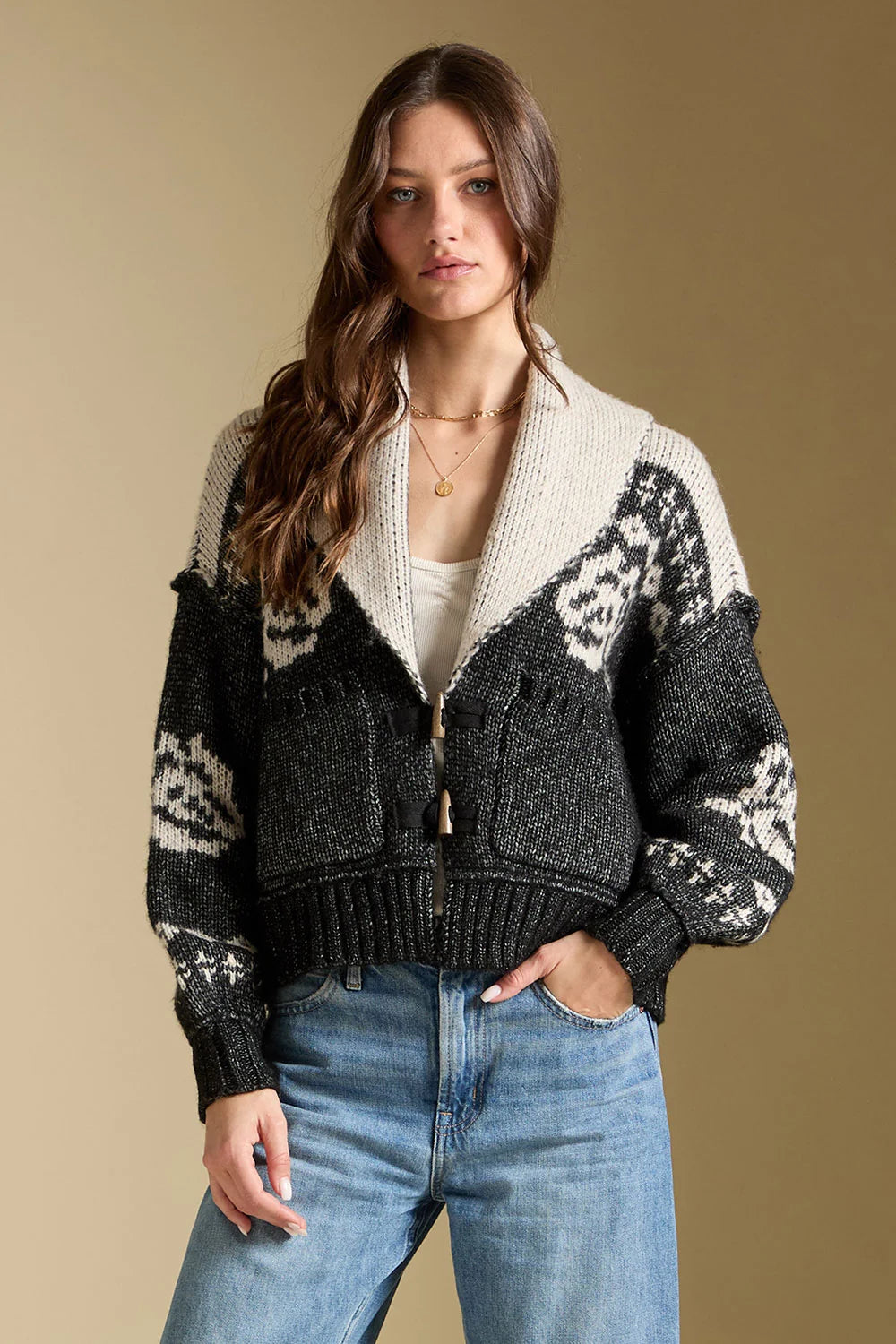
Fold heavier knits, casual tees, and garments with relaxed shapes to prevent shoulder stretching. For tanks and tees, fold vertically so the shoulders are supported by the body of the fold rather than hanging from a hanger. Smooth fabric with your hands to remove surface wrinkles before storing.
For delicate woven tops you choose to fold (limited drawer space, for instance), place tissue or a cotton layer between folds to reduce friction. Stack items in small piles so the weight of the stack doesn’t crush lower garments; rotate the stack periodically to prevent permanent creases.
Small storage habits that extend wear
Give garments breathing room: avoid cramming a closet where fabrics press against each other and trap moisture. Use breathable garment bags for seasonal storage, and cedar or lavender sachets to deter pests without direct contact with fabrics.
Label shelves or use clear bins for folded items so you’re not rifling through stacks repeatedly. For pieces with delicate closures or embellishments, close zippers and buttons before storing to reduce stress on seams and prevent snags.
Keep the care label as your primary guide and let fabric and fit inform the hang-or-fold choice. Small adjustments — the right hanger, a tissue layer, or a padded shoulder — add up to cleaner-looking clothes and fewer avoidable repairs.