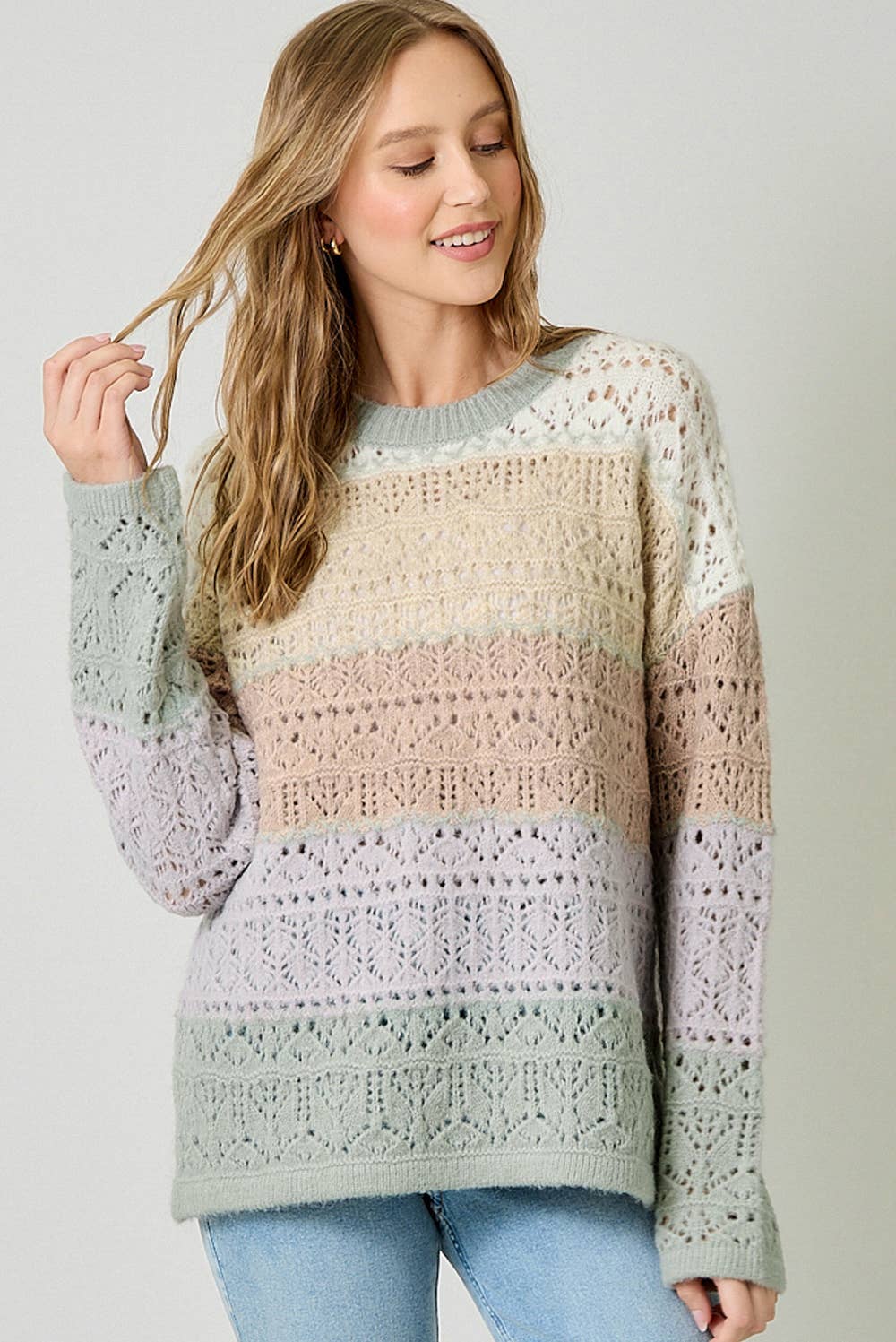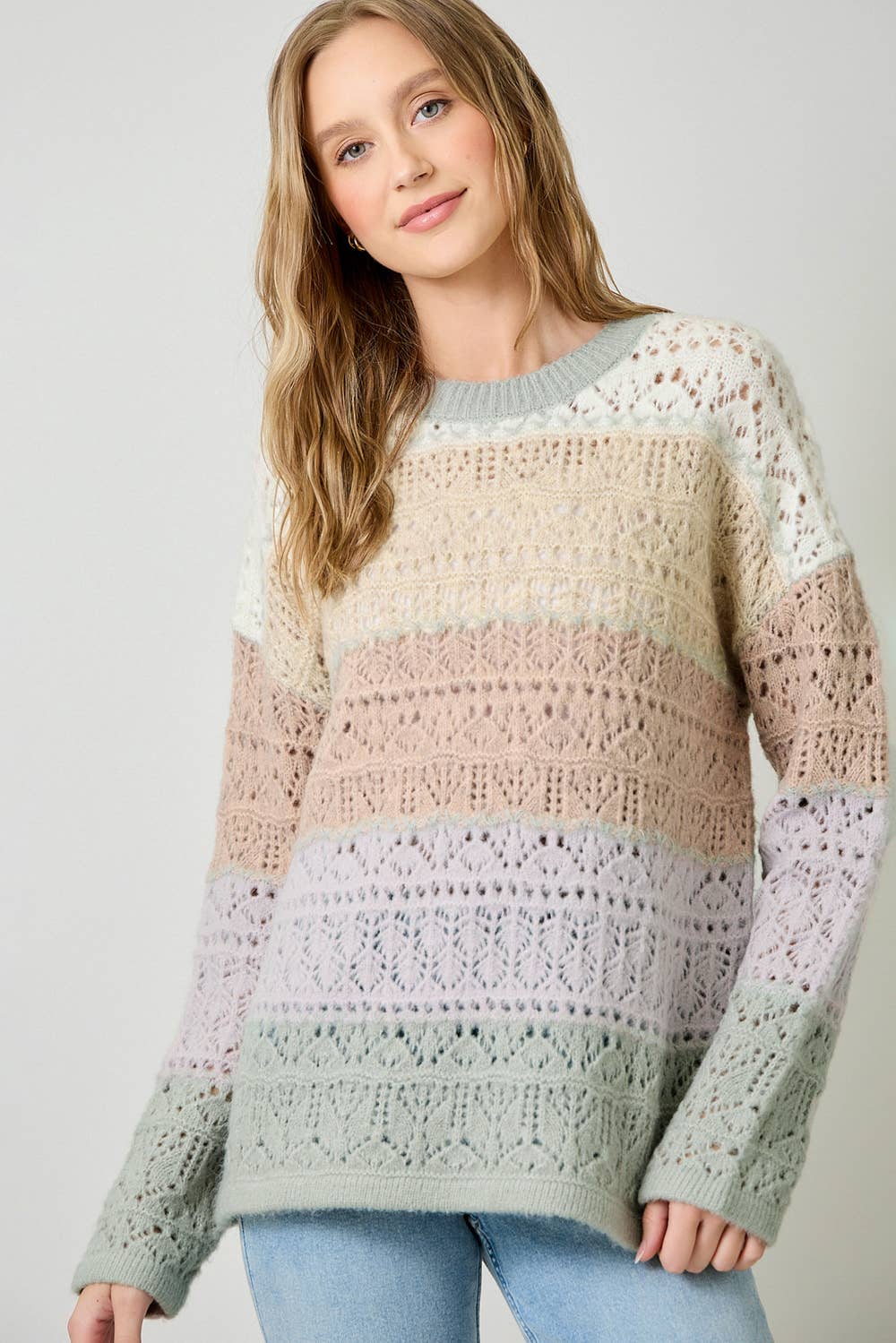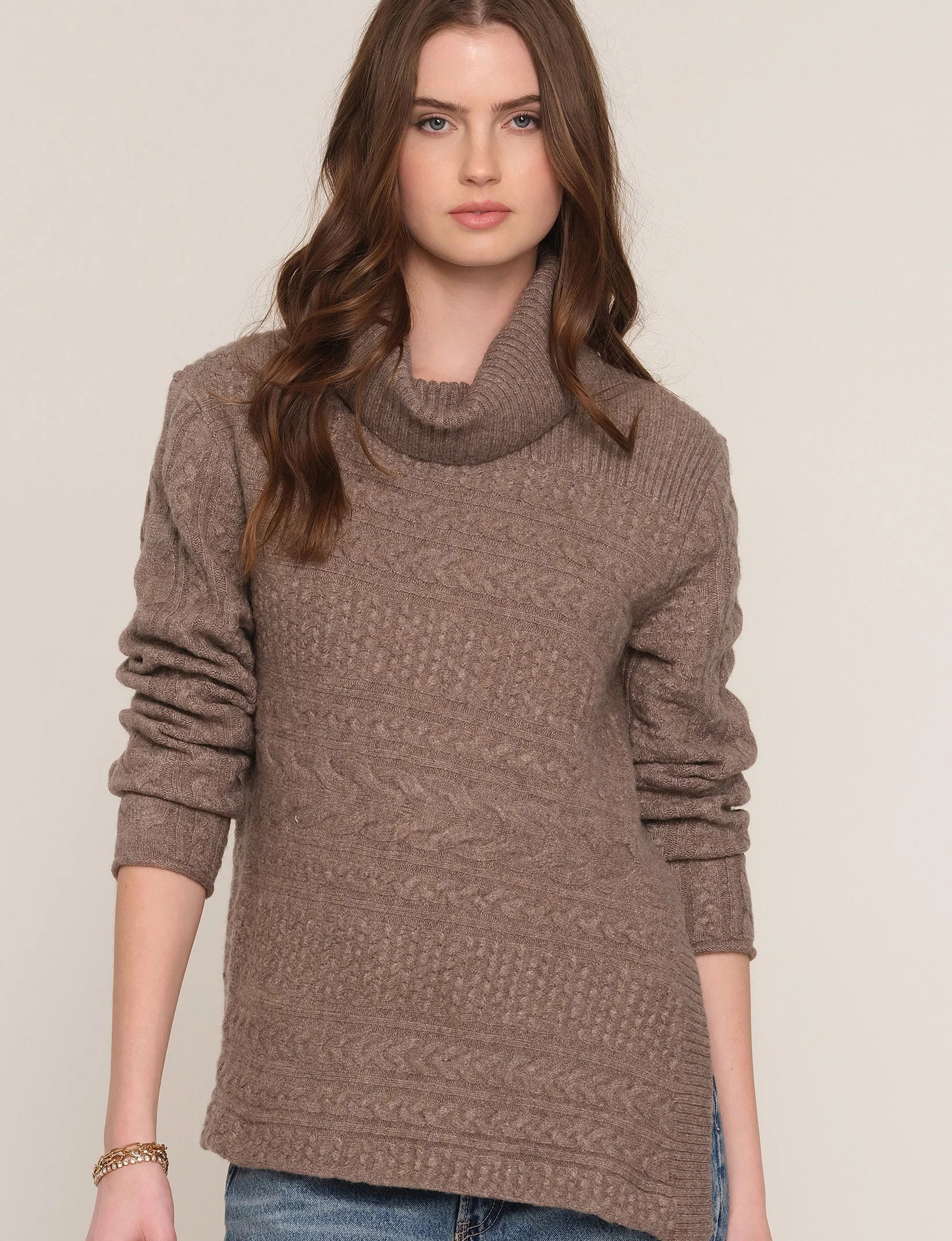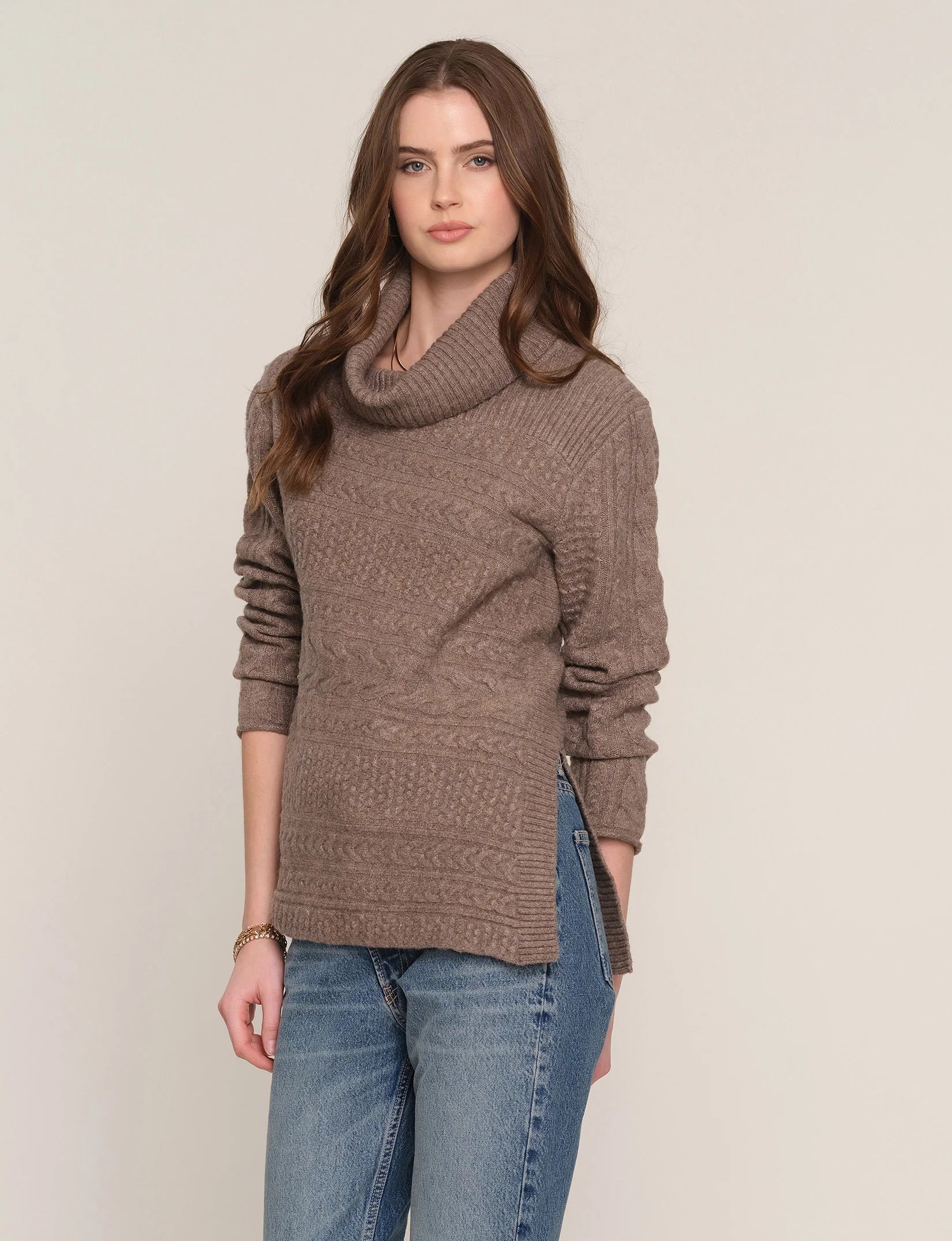
Knit garments reward careful handling: small choices in washing, drying, and storage preserve shape and stitch definition so your sweaters look and feel better for longer. This guide outlines gentle, garment-first practices you can use at home.
Start with the care label and a quick inspection
Always read the sewn-in care label before any treatment. Fibre content and specific instructions (machine wash vs. hand wash, temperature limits, and whether tumble drying is allowed) take precedence over general advice.
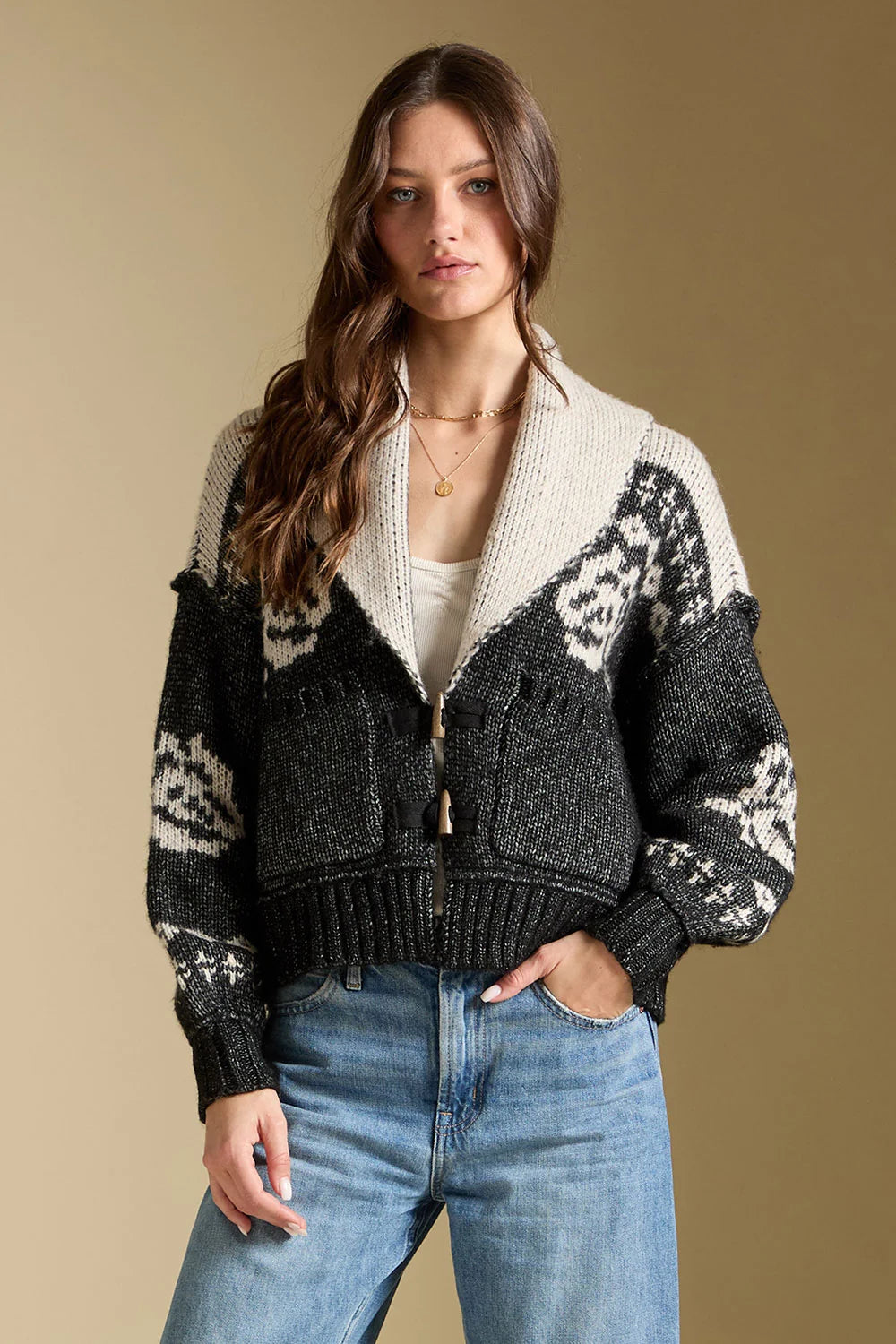
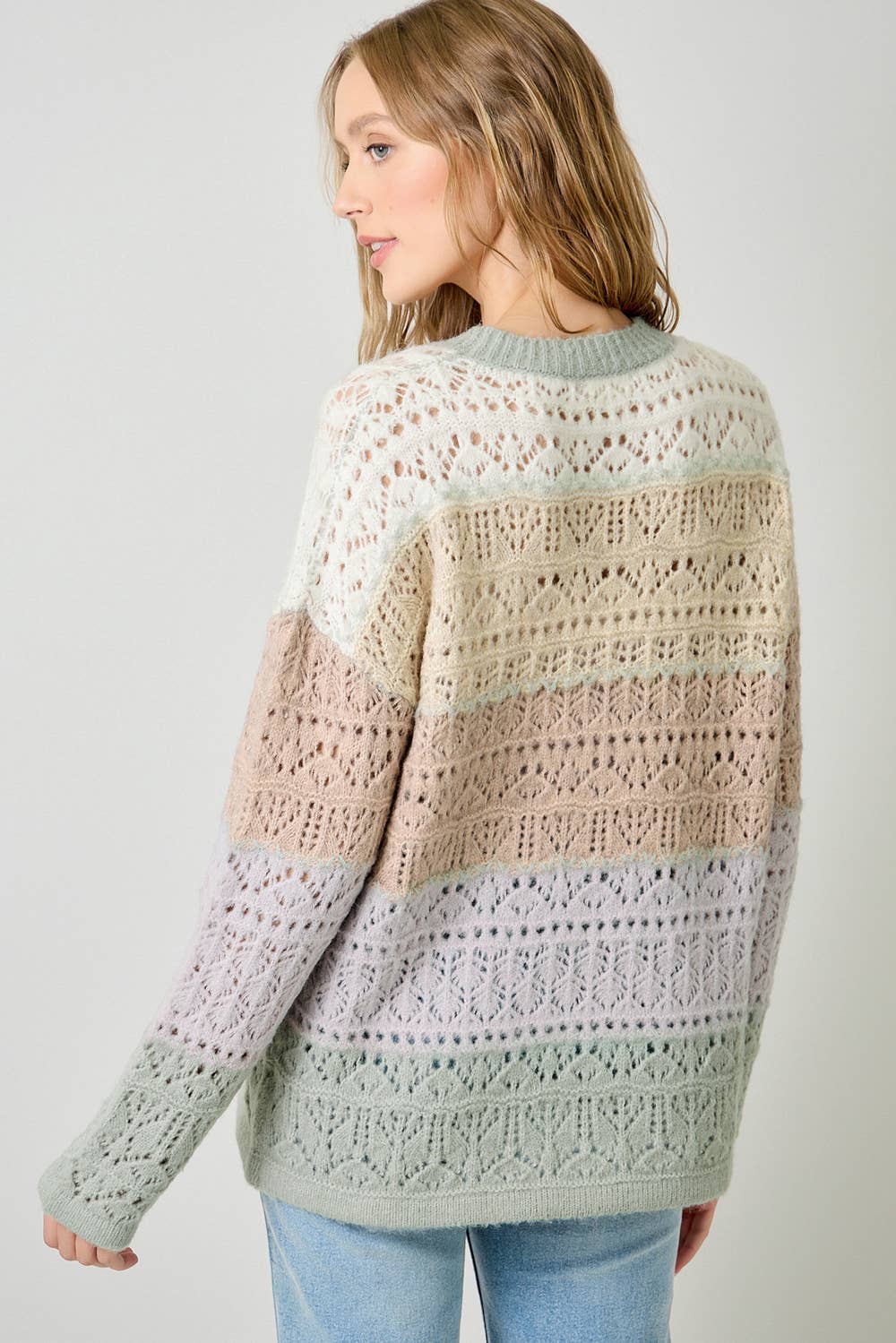
Before cleaning, examine seams, buttons, and any pointelle or cable work for loose threads or pulls. For a relaxed-fit pointelle sweater (like a lightweight Ivory Oatmeal Mix pointelle crew), and textured cable knits (such as a soft melange cowl-neck cable sweater), note areas that see friction — cuffs, underarms, and side slits — and reinforce small loose threads with a needle and gentle knot if needed.
Gentle cleaning: methods that respect structure
If the garment label permits hand washing, use cool or lukewarm water and a small amount of mild detergent designed for delicates or wool. Support the piece fully in the water rather than scrubbing; lift and lower to move soap through the fabric. For thicker, structured knits such as a cowl-neck cable sweater, avoid aggressive agitation which can distort cables or cause felting in animal fibers.
For machine-washable knits, select a delicate cycle with a short spin and place the sweater inside a mesh laundry bag to reduce friction. Fasten zippers and turn the garment inside out to protect surface texture. Always follow the garment’s specified temperature and cycle recommendations on the label.
Drying and reshaping to maintain fit
Never rely on a one-size-fits-all dryer rule; follow the care label. When air-drying is indicated, remove excess water with gentle presses — do not wring. Lay the sweater flat on a clean towel, roll once to absorb moisture, then unroll and reshape to the original dimensions. For a loose-fit crew or relaxed cowl-neck sweater, smooth the body and gently coax necklines and hems back into their intended lines.
Dry flat on a breathable surface away from direct heat and sunlight. Support wider garments on a large flat surface to avoid shoulder bumps; avoid hanging wet knitwear, which can stretch the fabric and distort side slits or ribbed edges.
Storage and minor repairs to extend wear
Store folded in a drawer or on a shelf rather than hanging to protect shoulders and preserve fit, especially for relaxed or heavy knits. Use breathable storage containers and natural moth deterrents if needed; check garments periodically for signs of wear. For light pilling, use a fabric comb or sweater stone gently across the surface, working one small area at a time.
Address small holes or persistent runs promptly: catch-and-reinforce techniques with a matching thread can prevent enlargement. If unsure, consult a local repair service. Regularly rotating sweaters in your wardrobe reduces repeated friction in the same spots, helping textured pieces — whether pointelle or cable knits — keep their stitch definition longer.
Treat each knit garment according to its label and construction. With careful cleaning, thoughtful drying, and simple upkeep, your sweaters will retain their shape and texture season after season.