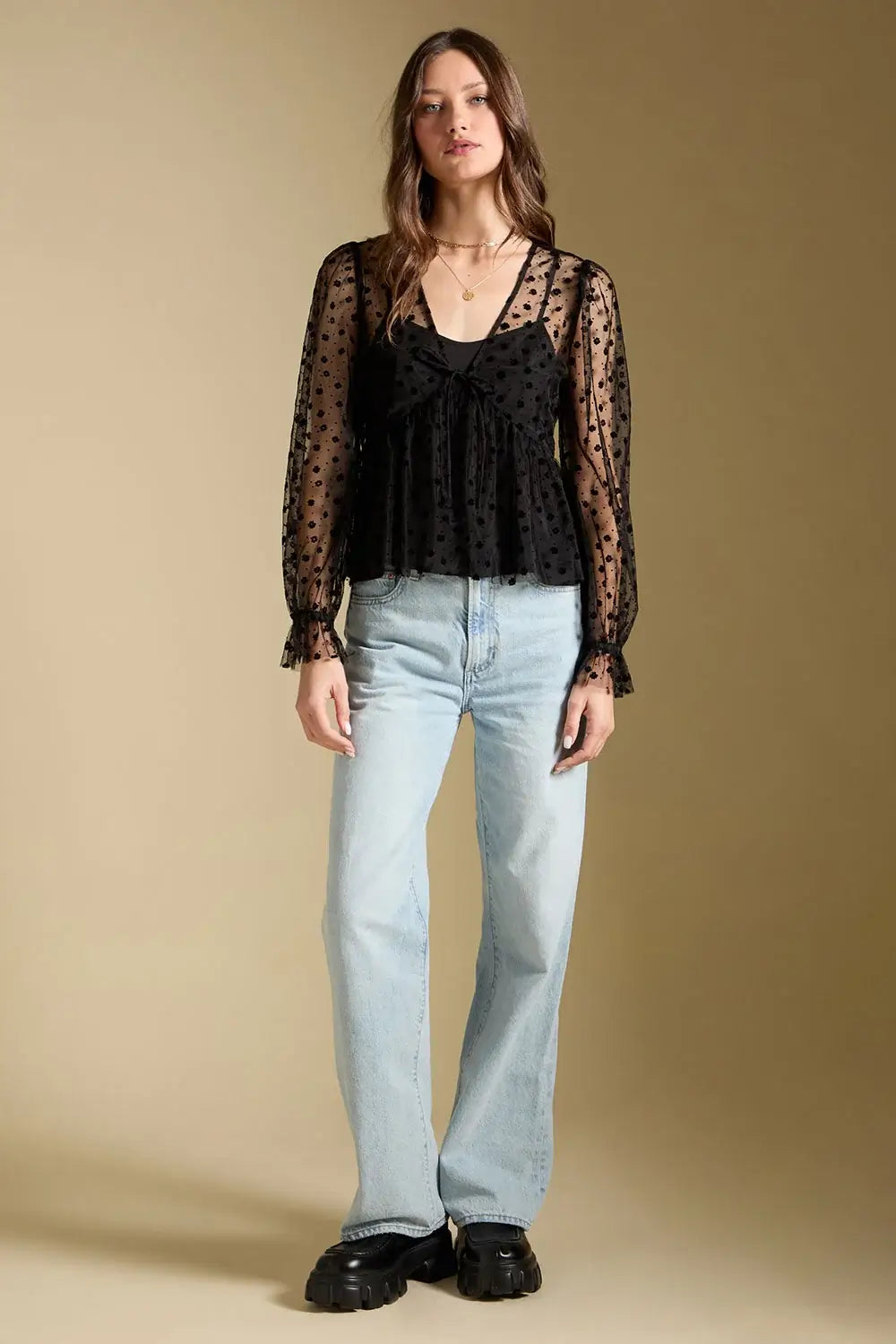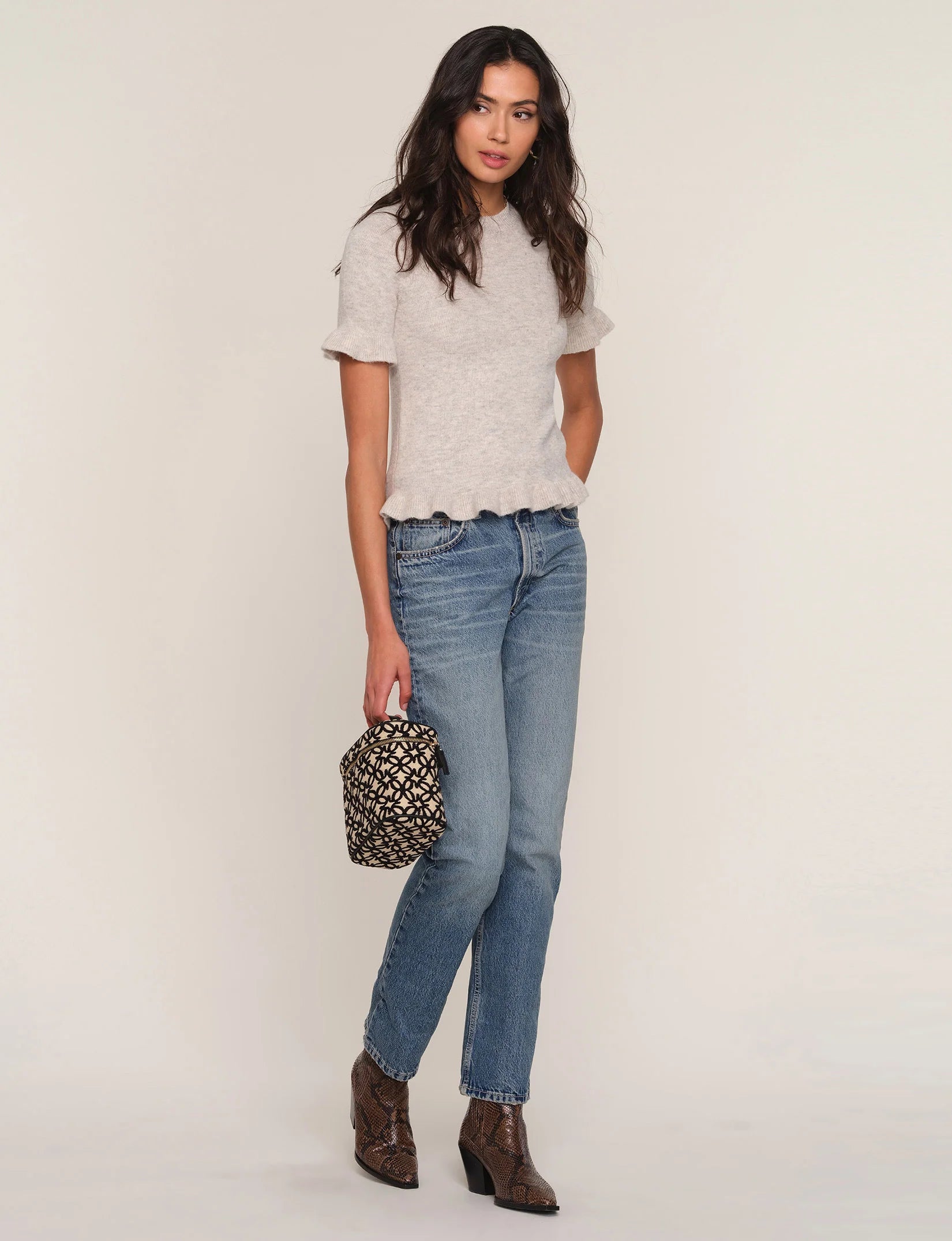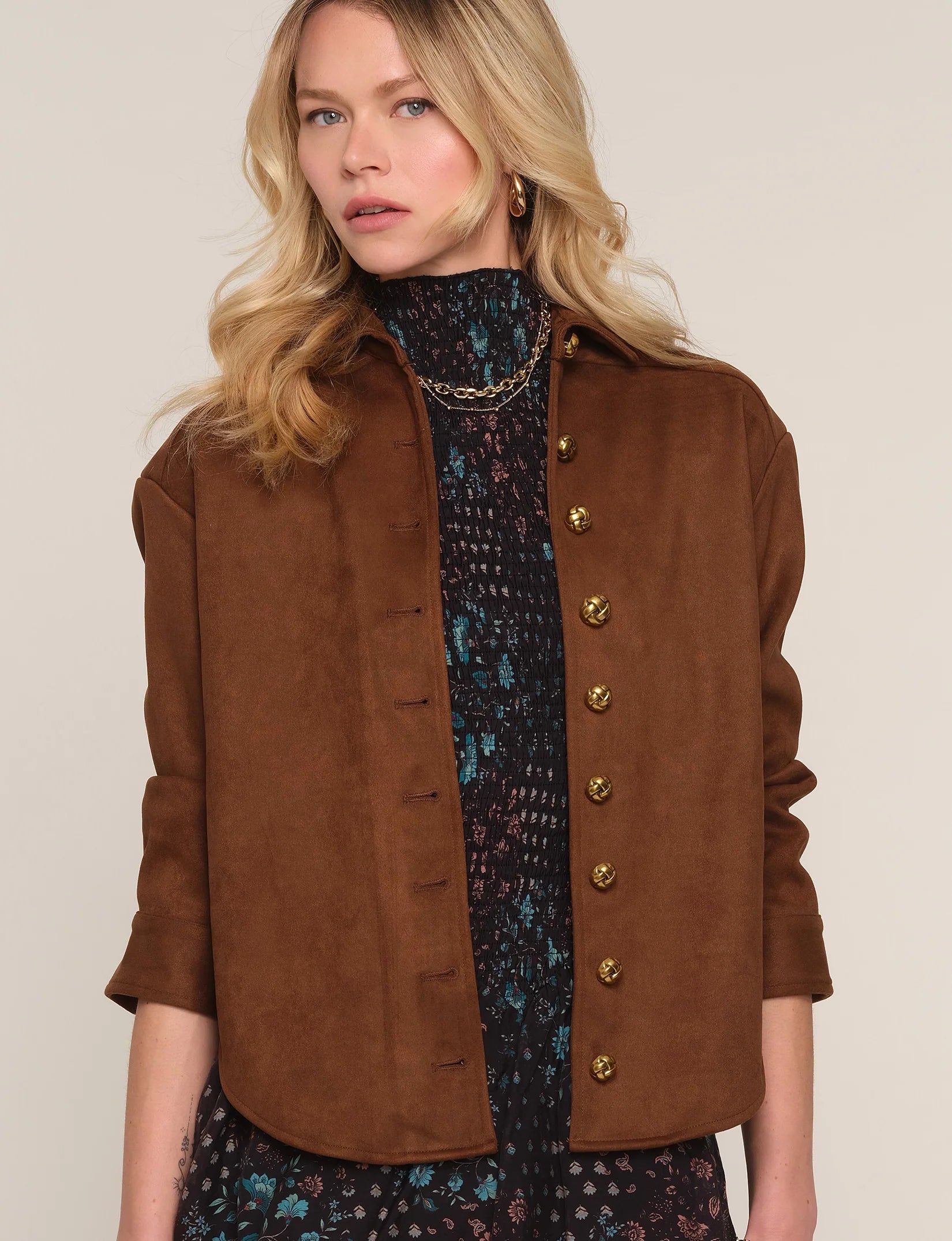
Shopping with intention doesn’t mean restricting yourself — it means learning how garments behave on your body, in your life, and in your closet. This guide breaks that process into clear steps you can use every time you shop, online or in person.
Start with Situation-Based Priorities
Before you browse, list the situations you dress for this season: work meetings, weekends with kids, evenings out, travel. Rank them by frequency and importance so you know which silhouettes and fabrics will get the most wear.
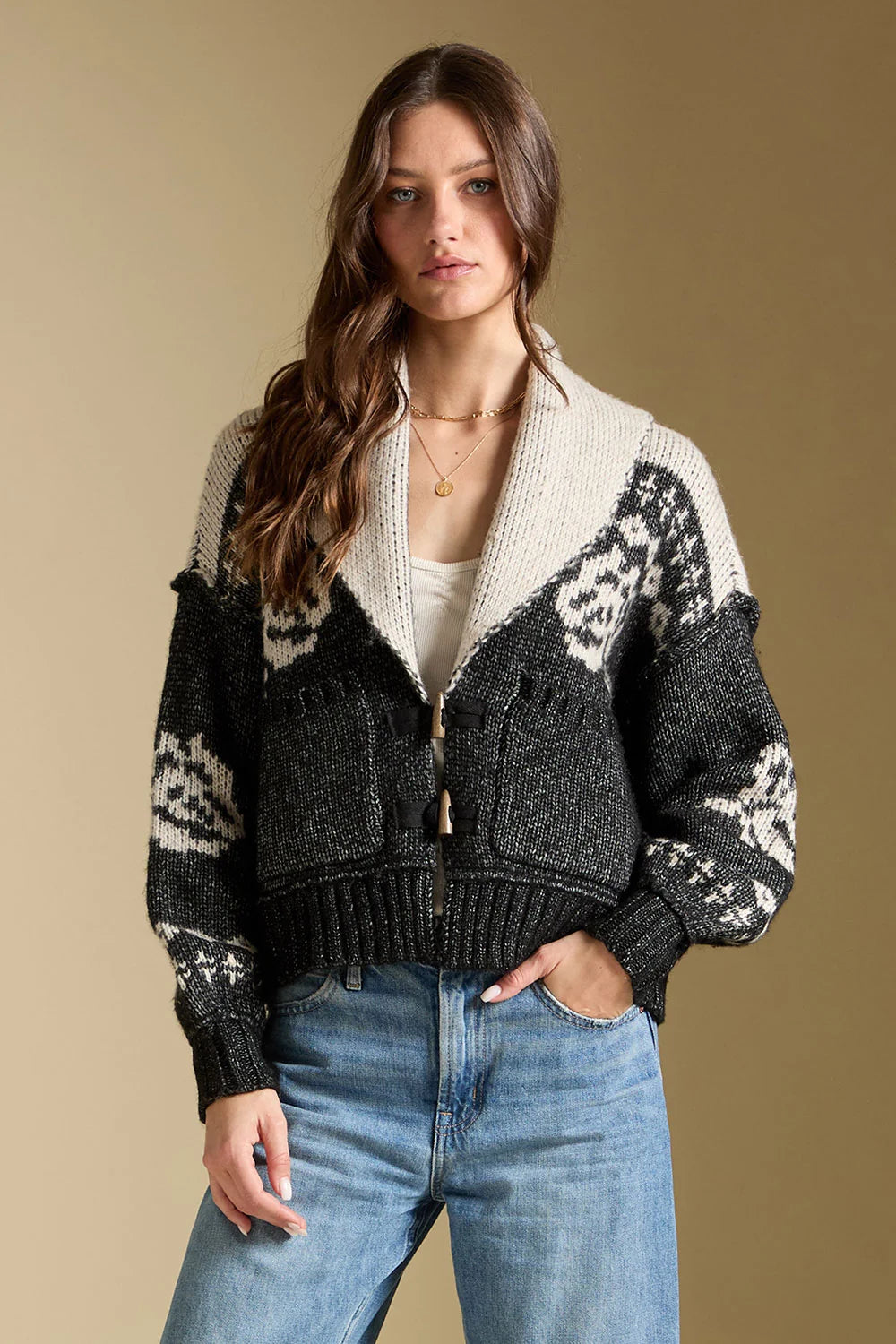
For example, if layered looks are common for you, prioritize pieces that layer well—things that won’t add bulk under a coat or that can be worn open as a topper. If travel is high on your list, choose items that compress and recover, and favor wrinkle-resistant fibers.
Use Three Fit Tests Every Time
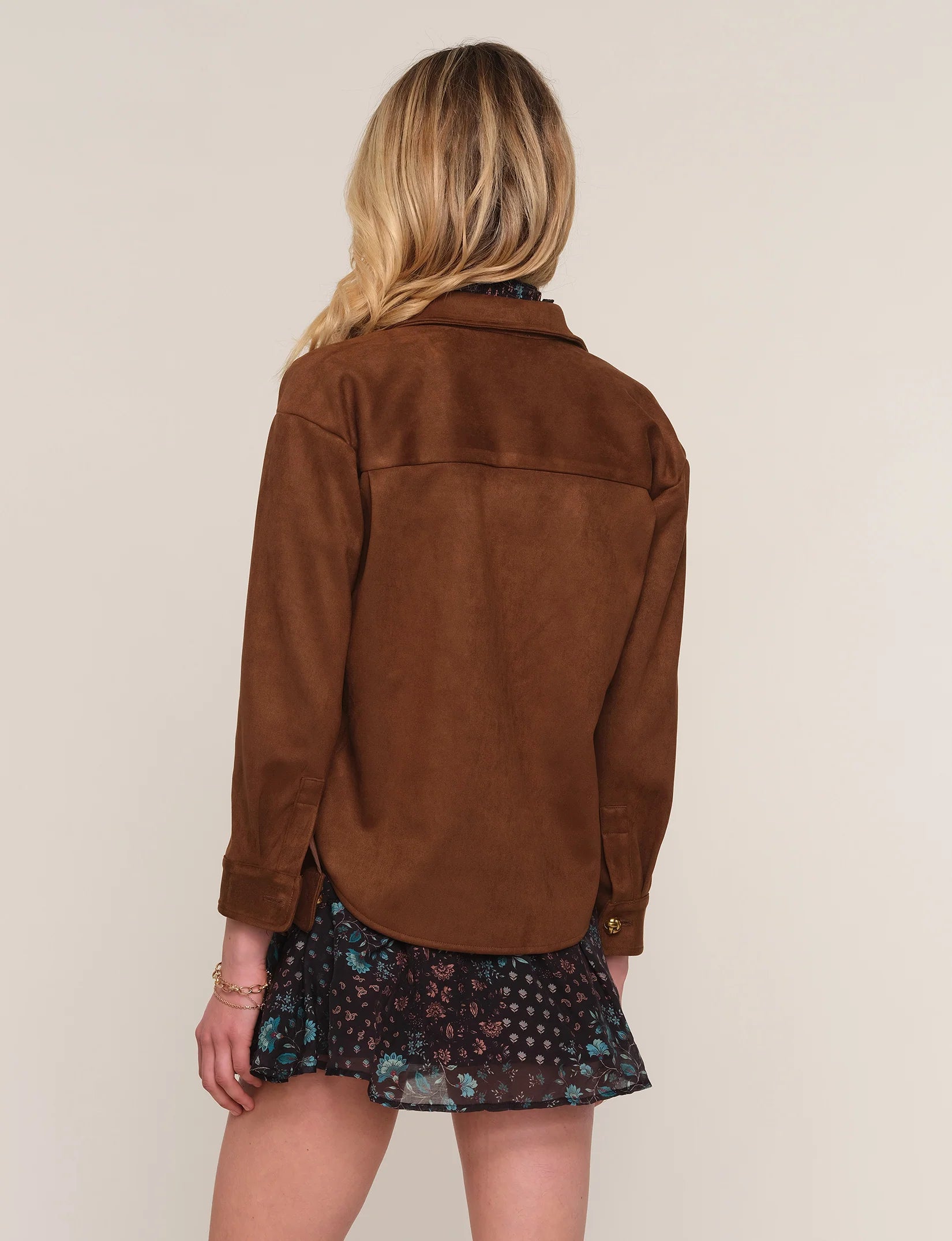
When trying on a garment, check shoulder and torso alignment, range of motion, and how it finishes at key points (waist, hip, hem). A relaxed-fit faux suede shirt with a shirttail hem, for example, should sit comfortably across the shoulders and still allow for easy arm movement when buttoned.
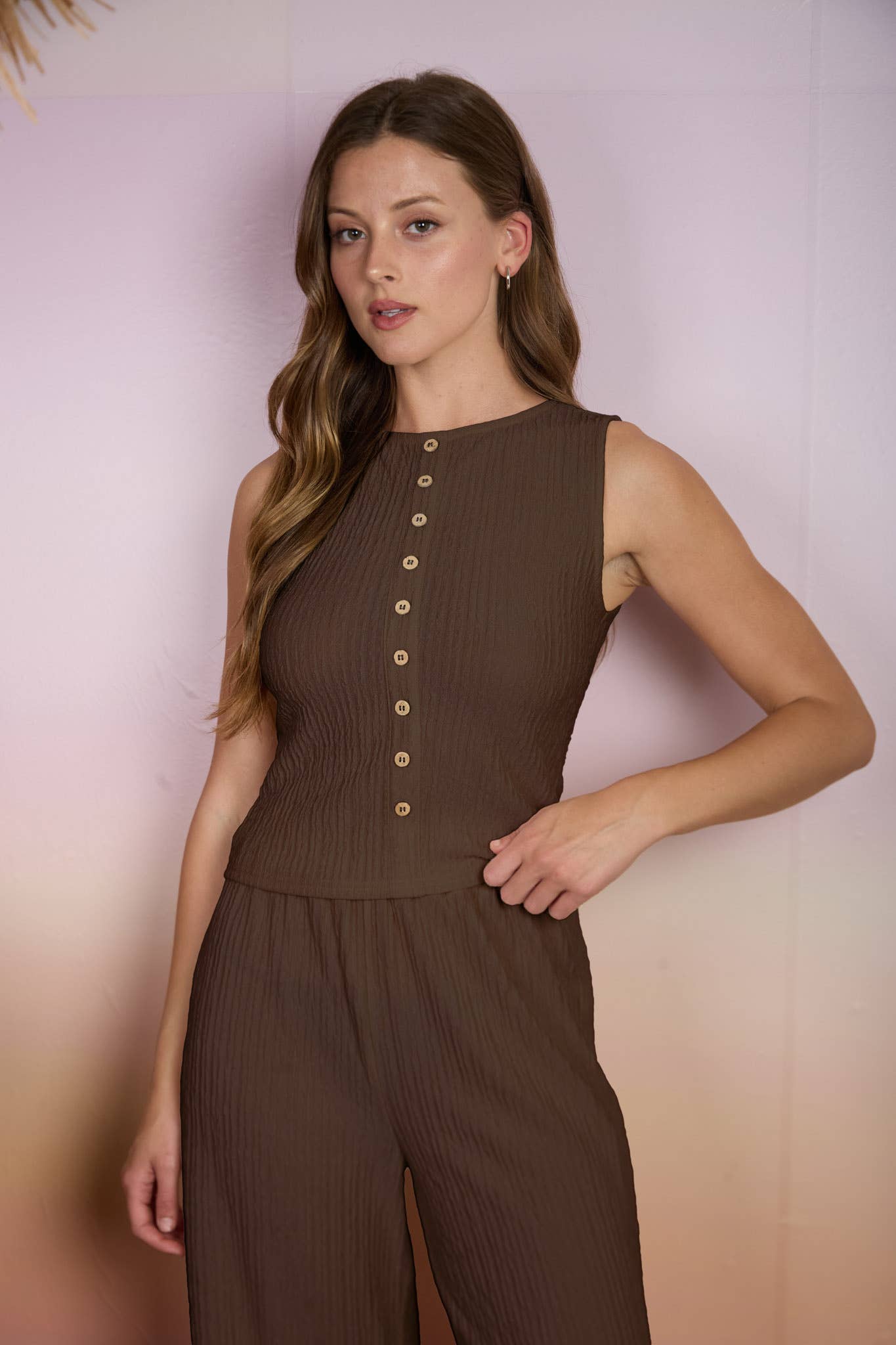
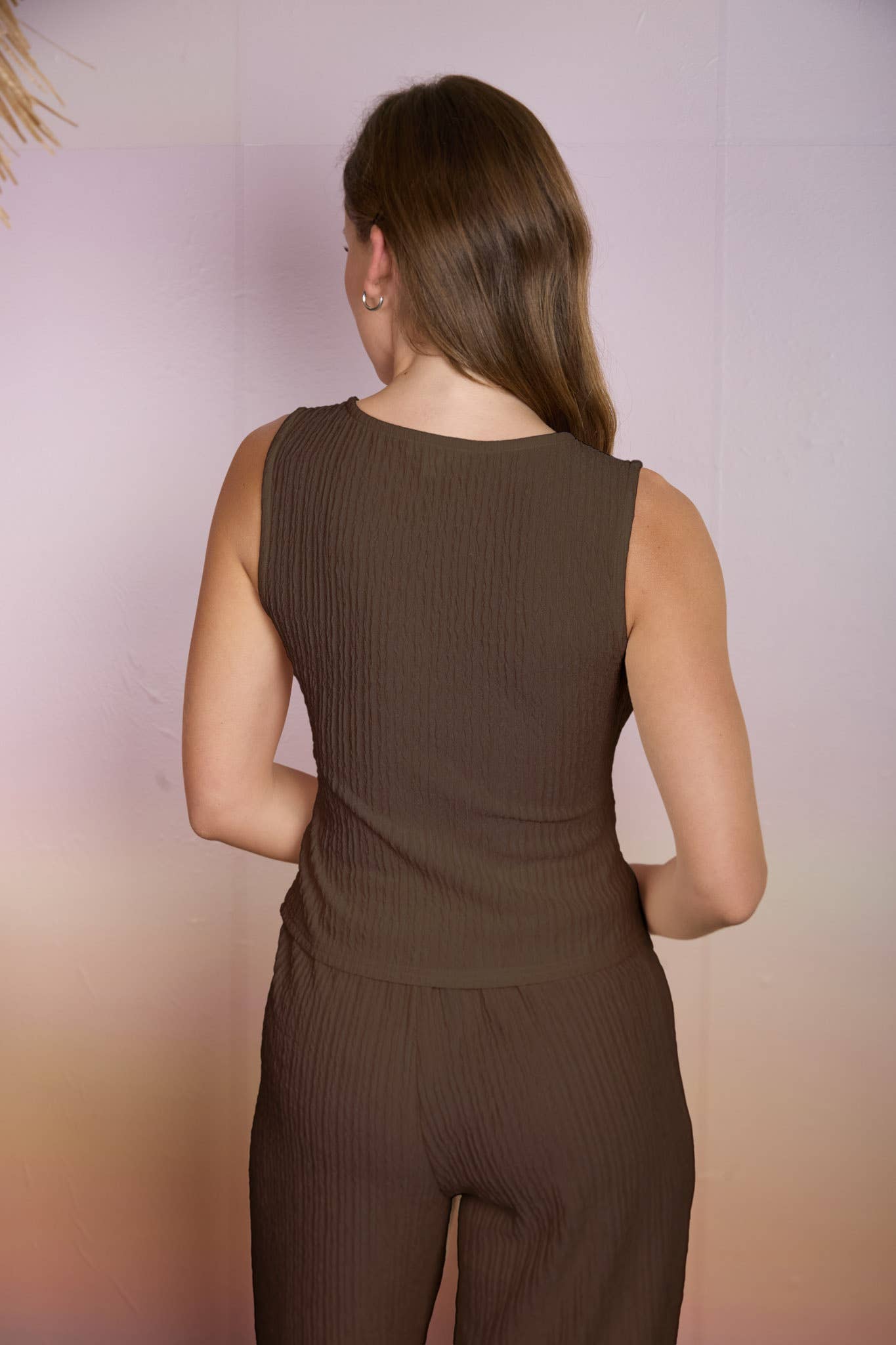
Also ask: does the garment maintain the intended shape when you sit, bend, or reach? Slight stretch blends—like polyester with a touch of spandex—tend to recover well and can be forgiving in fitted styles; a textured knit top with stretch will feel more comfortable if you expect a lot of movement.
Build Looks, Not Isolated Purchases
Every new buy should be able to form at least two outfits with pieces you already own. Keep a running photo grid on your phone of outfits you wear often; when you consider a new top or layer, compare it against that grid.
As a tangible example, a slightly cropped, textured knit top with a mock button front can tuck into high-waisted trousers or be worn loose over a skirt. A relaxed faux-suede button-front shirt works equally well tucked for a defined waist or worn open as a casual layering piece — both approaches expand outfit options from a single purchase.
Evaluate Long-Term Fit and Care Before You Buy
Think beyond the first wear: check seams, closures, and fabric behavior under stress (stretch, pilling potential, and how it drapes). If a fabric blend includes spandex, expect some recovery; if it’s a heavier faux-suede, consider how it will layer without adding too much bulk.
Always read the sewn-in care label before finalizing a purchase. Care requirements affect how often you’ll realistically wear an item and whether it fits into your routine — that’s as important to style as color or cut.
Shopping smarter is a practice: set situation-driven priorities, test fit actively, visualize concrete outfits, and account for care. Over time these steps shrink impulse buys and increase the number of pieces you actually reach for.